
Harvest
Expenses
Sign up

Transportation Expense Tracker

Transportation expenses can be a significant financial burden; Harvest offers detailed reporting by category to streamline your tracking process.

EXPENSE REPORT DRAFT

Drop your receipts here or click to upload

Images and PDFs (max 10 MB each)

Date
Category
Merchant
Description
Amount
Total
$0.00

Customise report

Appearance

Show report title

Report settings

Understanding the Importance of a Transportation Expense Tracker

Tracking transportation expenses is a critical task for businesses, especially for those managing frequent business trips. The average U.S. household spent $13,318 on transportation in 2024, highlighting the significant financial impact it can have. Inaccurate tracking can lead to compliance issues and financial discrepancies. Modern solutions have evolved from paper-based methods to sophisticated digital systems, reducing processing time from 61 seconds to just 10 seconds per transaction.

For businesses, adopting a digital expense management system can save over 30,000 hours annually. This efficiency not only reduces manual errors but also accelerates reimbursement times, allowing employees to focus on their core responsibilities. Companies adopting centralized expense management solutions have seen a 15% increase in efficiency over the past year. In this context, a reliable transportation expense tracker like Harvest can streamline the process, offering detailed reporting by category.
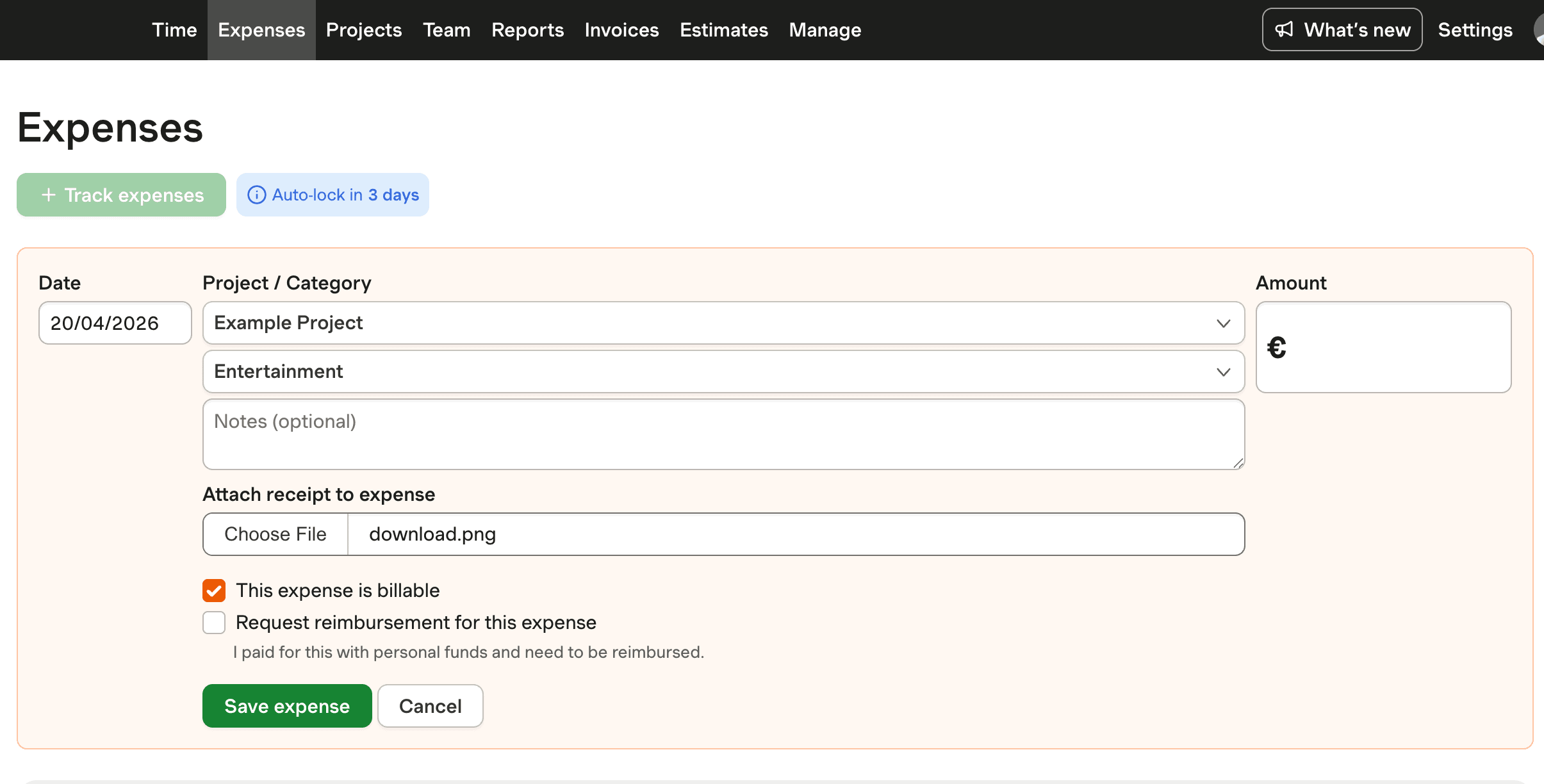
Harvest: Detailed Reporting for Transportation Expenses

Harvest offers an effective solution for tracking transportation expenses by category, crucial for businesses needing precise financial oversight. Users can generate detailed reports on expenses related to flights, car rentals, and public transport, enabling better financial decision-making and compliance with regulations. By categorizing and filtering expenses, businesses can identify trends and inefficiencies, which is essential for strategic planning and budgeting.

Although Harvest does not support automatic mileage tracking or integration with travel booking platforms, it allows users to manually enter mileage and travel-related expenses. This flexibility ensures that businesses maintain accurate records without relying on integrations that might not meet all their needs. Furthermore, Harvest supports multiple currencies, although manual conversion is required, which can be beneficial for companies dealing with international travel.

Manual vs. Automated Expense Tracking: Finding the Right Balance

While automation is transforming expense management, manual input still plays a vital role. Automated systems, like those in Harvest, reduce errors and speed up processes, but manual entry ensures a high level of awareness over each transaction, fostering better spending habits. In fact, automated expense reporting can cut processing time by over 83%, from 61 seconds to 10 seconds per transaction.

Harvest provides a balanced approach by allowing manual entry of expenses, ensuring users can track specific details that automated systems might overlook. This approach is particularly beneficial for accurate mileage entry, where users can input quantities and unit prices for automatic total calculations. By leveraging both methods, businesses can achieve comprehensive and accurate expense management.

Integrating Harvest into Business Processes

Integrating Harvest into your business processes can significantly enhance financial management. Although Harvest does not integrate directly with travel booking platforms, its ability to provide detailed reporting on transportation expenses makes it a valuable tool for businesses. By manually entering expenses, companies can maintain up-to-date records that align with their accounting practices.

Moreover, Harvest's compatibility with multiple currencies, despite requiring manual conversion, supports businesses operating internationally. This feature, combined with its detailed reporting capabilities, ensures that companies can confidently manage their transportation expenses. By consolidating expense management in Harvest, organizations can streamline approvals, reduce duplicate or fraudulent expenses, and gain better visibility into spending patterns.

Track Transportation Expenses with Harvest

Explore how Harvest allows detailed tracking of transportation expenses by category, enhancing financial management for business trips.

Screenshot of Harvest showing transportation expense tracking features.

Transportation Expense Tracker FAQs

  • A transportation expense tracker is a tool that helps record, categorize, and manage costs associated with business travel and vehicle use. It evolved from manual methods to automated systems, improving accuracy and efficiency.

  • Automating expense tracking involves using software to capture and categorize expenses in real-time. This reduces manual input, minimizes errors, and accelerates reimbursement. Automated systems can cut processing time by over 83%.

  • Tracking transportation expenses is crucial for financial oversight and compliance. It helps businesses manage costs, identify spending patterns, and ensure accurate financial reporting, ultimately saving time and reducing errors.

  • Harvest does not integrate with travel booking platforms. Users can manually enter travel-related expenses and categorize them for detailed reporting, maintaining accurate records without relying on external integrations.

  • Harvest supports multiple currencies, allowing users to manage international travel expenses. However, it requires manual conversion, providing flexibility for businesses operating across different regions.

  • Yes, Harvest offers detailed reporting on transportation expenses by category, aiding in compliance by providing clear financial records. This helps businesses adhere to regulations and avoid audit risks.

  • Harvest provides detailed reporting on expenses by category, helping businesses manage transportation costs effectively. Its manual entry system allows for precise tracking, enhancing financial oversight and decision-making.