
Harvest
Expenses
Sign up

Fuel Expense Management

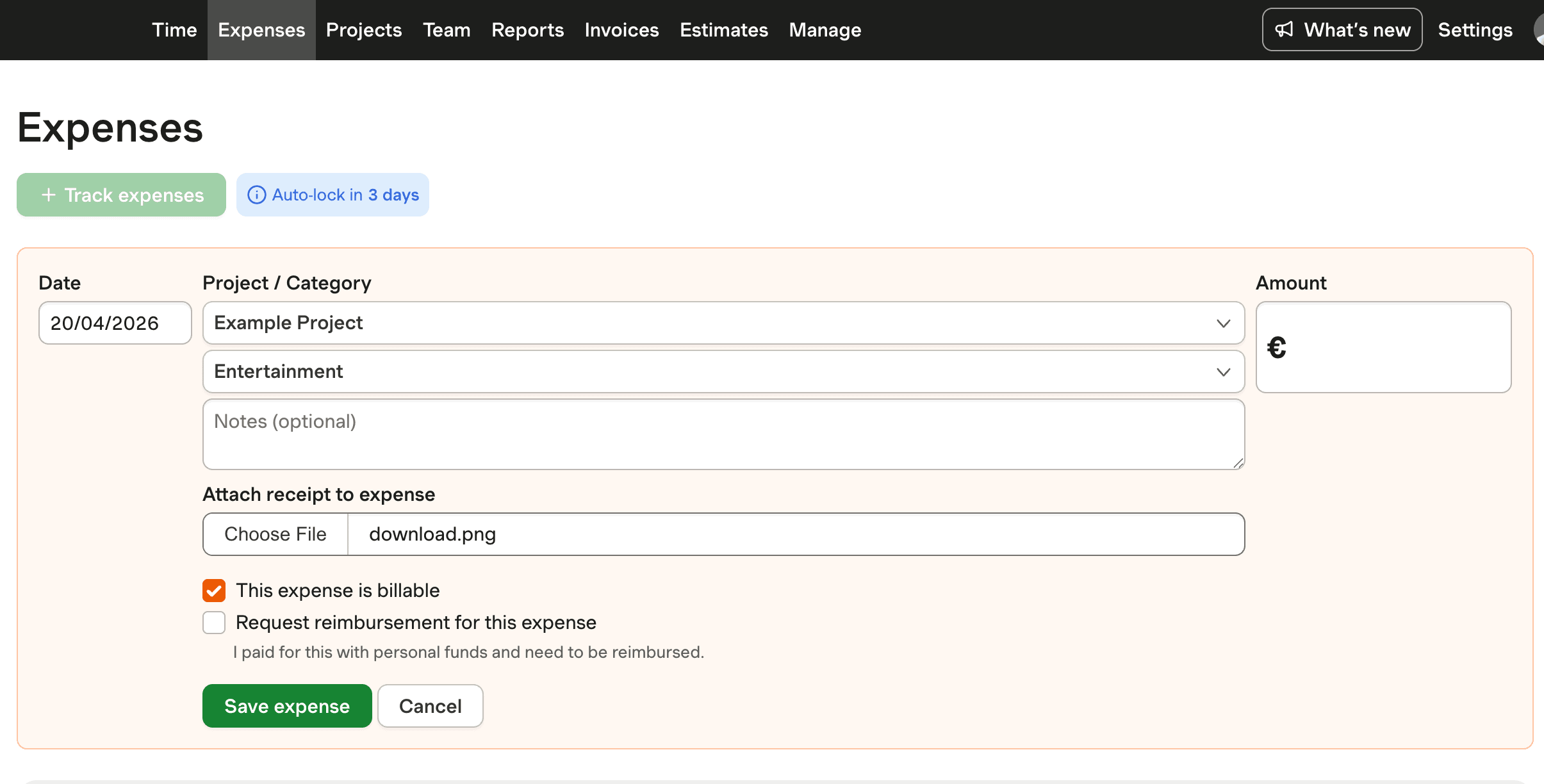
Fuel expenses can account for 20-30% of fleet costs, making effective management essential. Harvest helps track expenses by project, ensuring clarity and control.

  • Attach receipts to projects & tasks
  • Turn tracked expenses into client invoices
  • Free 30-day trial, no credit card needed

or drag & drop • Images and PDFs, max 10 MB

The Importance of Fuel Expense Management

Managing fuel expenses is crucial for businesses with fleet operations, as fuel typically accounts for 20-30% of total fleet costs. Understanding and controlling this expenditure can result in significant savings. Without effective management, businesses risk facing unpredictable financial burdens due to volatile fuel prices and inefficient usage. For example, during the early 2026 Iran conflict, U.S. diesel prices surged past $5 per gallon, underscoring the need for robust strategies to mitigate financial impact.

Adopting advanced systems and practices in fuel management can provide businesses with a competitive edge. Efficient systems not only track expenses but also optimize fuel usage and reduce wastage. By implementing strategies such as driver behavior training, companies can reduce fuel consumption by 10-20%. Meanwhile, real-time data from fuel management systems can help prevent unnecessary downtime, ensuring that operations remain smooth and cost-effective.
Challenges in Fuel Expense Management

Businesses face several challenges in managing fuel expenses effectively. These include fluctuating fuel prices, potential for fraud, and lack of real-time data. The volatility of the global fuel market, influenced by geopolitical events and seasonal demands, makes it difficult for businesses to predict costs accurately. Moreover, fuel theft and misuse can inflate expenses if not monitored closely.

Real-time tracking and comprehensive expense management systems are essential to overcome these challenges. While some businesses might consider adopting telematics and GPS technologies for real-time fuel tracking, others may struggle with integrating these systems into their existing operations. Despite these challenges, training drivers and scheduling preventive maintenance can lead to substantial savings, with proper vehicle maintenance improving fuel efficiency by up to 4%.

How Harvest Supports Expense Management

While Harvest does not specialize in fuel expense management, it offers robust tools for general expense tracking that can benefit businesses in other areas. Harvest allows tracking expenses by project and category, providing a clear overview of where funds are being allocated. This can be particularly useful for businesses that need to manage various operational costs.

Harvest's expense tracking features ensure that businesses can maintain accurate records, which is vital for compliance with regulations like the IRS's recordkeeping requirements. By using Harvest, companies can easily categorize expenses, simplifying the process of financial reporting and auditing. This capability, while not specific to fuel, provides a foundation for managing expenses across different categories efficiently.

Leveraging Technology for Improved Expense Tracking

Incorporating technology into expense management can significantly enhance tracking accuracy and efficiency. Advanced fleet management platforms offer real-time tracking and data analytics, which are crucial for making informed decisions. For example, using automated reporting systems can quickly highlight patterns of excessive fuel usage, allowing managers to take corrective actions swiftly.

While Harvest may not offer specific telematics integration for fuel tracking, it does provide comprehensive expense report generation that can be filtered by different categories. This feature enables businesses to maintain a clear view of their spending patterns, facilitating better budget management and resource allocation.

Fuel Expense Management with Harvest

See how Harvest tracks project-based expenses, offering clarity and control for better financial management.

Harvest dashboard showing expense tracking capabilities.

Fuel Expense Management FAQs

  • Fuel expense management involves tracking and controlling fuel costs within business operations, often accounting for 20-30% of fleet expenses. Effective management includes strategic planning and adopting technology to optimize fuel usage and reduce costs.

  • To reduce fuel costs, consider implementing driver training programs focused on fuel-efficient driving, adopting route optimization, and conducting regular vehicle maintenance. These strategies can lead to fuel savings of up to 20% annually.

  • Real-time data is crucial for identifying fuel waste and making informed decisions. It enables businesses to take immediate corrective actions, reducing excessive fuel usage and preventing unnecessary costs.

  • While Harvest does not specialize in fuel expense management, it provides robust tools for general expense tracking. Businesses can track expenses by category, ensuring clear financial oversight and compliance with regulations.

  • Fuel cards offer centralized control over fuel purchases, allowing businesses to limit transactions by location, time, or dollar amount. This reduces fraud, simplifies reporting, and provides detailed insights into fuel usage.

  • Technology such as telematics and GPS systems provide real-time data on fuel usage, vehicle performance, and driver behavior. This helps businesses make data-driven decisions, optimize fuel usage, and reduce costs.

  • Preventive maintenance ensures vehicles are running efficiently, which can improve gas mileage by up to 4%. Regular maintenance reduces repair costs and helps avoid unnecessary fuel consumption.

  • Fuel prices are volatile, impacted by global trends and geopolitical events. Effective management strategies help businesses mitigate financial impacts and adjust to price fluctuations.