
Harvest
Expenses
Sign up

Fuel Expense Sheet

Fuel expenses can account for 20-30% of fleet costs. Harvest helps teams track mileage and manage project expenses efficiently.

EXPENSE REPORT DRAFT

Drop your receipts here or click to upload

Images and PDFs (max 10 MB each)

Date
Category
Merchant
Description
Amount
Total
$0.00

Customise report

Appearance

Show report title

Report settings

Understanding the Importance of Fuel Expense Sheets

Fuel expenses can constitute a significant portion of operational costs for businesses managing fleets, often accounting for 20-30% of total fleet expenses. This makes effective tracking and management of fuel costs critical for enhancing both profitability and efficiency. For many companies, especially in sectors like transportation and logistics, fuel expenses rank just below driver wages, emphasizing their financial impact. Furthermore, with 79% of US fleets reporting inflation impacts on fuel costs in 2024, the demand for precise management tools is more crucial than ever.

To combat these challenges, adopting a digital approach to fuel expense tracking can significantly reduce errors and administrative burdens. For instance, processing a single expense report manually can take 20-30 minutes, potentially costing a fleet with 200 transactions up to $2,500 monthly in labor. Automating this process not only saves time but also allows for more accurate and efficient financial oversight.
Features of an Effective Fuel Expense Sheet

An effective fuel expense sheet is indispensable for businesses aiming to streamline operations and cut unnecessary costs. Such a sheet should include essential data points like date, odometer reading, fuel quantity, unit price, and total cost per purchase. Calculating metrics like miles per gallon (MPG) can further aid in understanding fuel efficiency. In addition, setting up automated systems for data collection can provide real-time insights into fuel consumption and driver behavior, eliminating manual errors.

For example, fleets implementing telematics can see up to a 15% reduction in fuel usage, while those employing GPS systems report savings of up to 20%. By structuring the expense sheet to accommodate additional data integrations, such as maintenance logs and driver analytics, fleet managers can make informed decisions, potentially saving fleets an average of $650 per truck monthly through AI-powered fraud detection.

Customizing Fuel Expense Sheets for Your Needs

Customization is key when it comes to fuel expense sheets, allowing businesses to tailor the tool to fit their specific needs. Whether managing multiple job sites or a diverse range of vehicles, customization can enhance accuracy and relevance in reporting. For instance, construction companies benefit from customizing reports by project or location to allocate expenses precisely, saving up to 15% on annual fuel costs when using integrated fuel monitoring systems.

Harvest allows for seamless customization by enabling users to create custom expense categories. This means that teams can track not just fuel costs but also other related expenses like maintenance and tolls. Although Harvest does not differentiate fuel types or track vehicle IDs, its flexibility in categorizing expenses ensures comprehensive financial reporting and management.

Leveraging Technology for Fuel Expense Management

Modern technology has revolutionized fuel expense management, offering businesses tools to automate and optimize tracking processes. With the rise of digital systems, companies no longer need to rely on paper receipts and manual entry, which can be error-prone and time-consuming. Instead, adopting technology like fleet cards and telematics systems provides not only real-time data but also potential savings.

For instance, integrating fuel data with accounting software can streamline data transfer, supporting accurate reporting and aiding in budgeting and forecasting. Harvest offers a solution that aligns with these technological advancements by allowing teams to track mileage and additional project-related expenses with ease. While Harvest does not analyze fuel consumption trends, it facilitates detailed expense tracking, offering a solid foundation for comprehensive financial management.

Fuel Expense Management with Harvest

See how Harvest tracks mileage and manages fuel-related expenses for efficient fleet management.

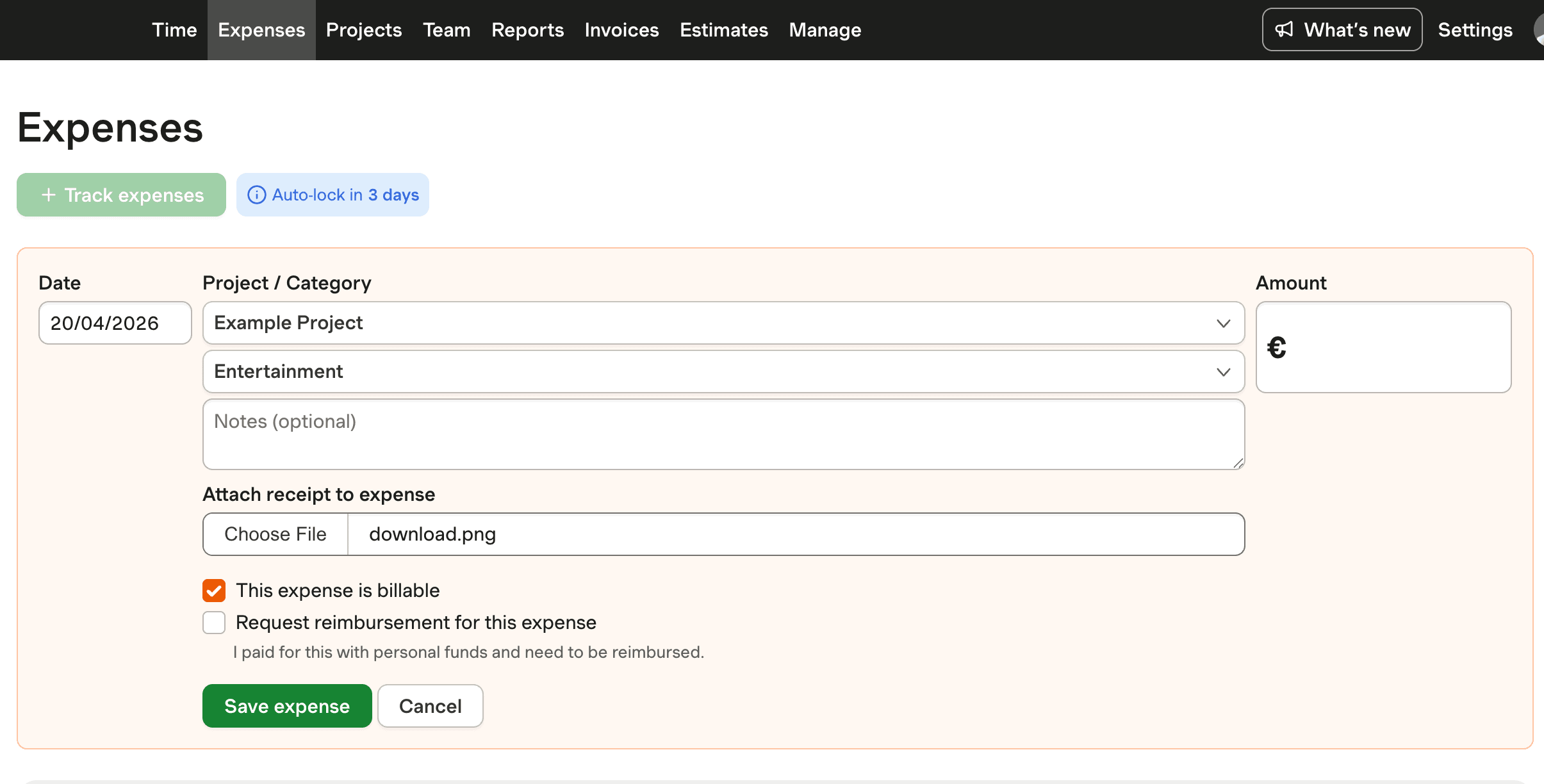
Harvest interface showing fuel expense tracking features.

Fuel Expense Sheet FAQs

  • A fuel expense sheet is a tool used to track and manage fuel purchases and consumption. It typically includes data such as the date, odometer reading, fuel quantity, price per unit, and total cost. This helps businesses monitor fuel efficiency and manage costs effectively.

  • Customizing a fuel expense sheet involves tailoring it to include categories and data points relevant to your operations. With Harvest, you can create custom expense categories, allowing you to track various project-related expenses alongside fuel costs.

  • Automating fuel expense tracking can reduce errors, save time, and provide real-time data insights. For example, fleets using telematics and GPS can save up to 20% on fuel costs and reduce manual processing time significantly.

  • Yes, many fuel expense management tools, like Harvest, allow you to track additional costs such as maintenance and tolls by creating custom expense categories, giving a comprehensive view of all related expenses.

  • Technology enables real-time data collection, automates reporting, and provides insights into consumption patterns. Tools like fleet cards and telematics systems can significantly enhance efficiency and cost management.

  • Common mistakes include relying on outdated manual entry methods, ignoring idle times, and lacking clear policies for fuel card usage. Such oversights can lead to inefficiencies and increased costs.

  • Harvest allows teams to track mileage and other project-related expenses efficiently. While it doesn't differentiate fuel types, it supports custom expense categories to manage costs across different projects.

  • Yes, in regions like the UK and Canada, maintaining detailed fuel expense records is essential for compliance with tax regulations. This includes keeping receipts, mileage logs, and other relevant documentation.