
Harvest
Expenses
Sign up

Petty Cash Report Format

For businesses mired in a 'quagmire of receipts' and manual petty cash processes, Harvest offers a streamlined solution, tracking project expenses with precision.

EXPENSE REPORT DRAFT

Drop your receipts here or click to upload

Images and PDFs (max 10 MB each)

Date
Category
Merchant
Description
Amount
Total
$0.00

Customise report

Appearance

Show report title

Report settings

Understanding Petty Cash Report Formats

A petty cash report format must ensure that small business expenses are tracked accurately and transparently. At its core, a petty cash report typically includes fields such as date, description of the transaction, amount, and category (e.g., office supplies, travel, meals). These elements help maintain clarity and consistency, crucial for financial auditing and compliance with regulations like those from the IRS, which require retaining petty cash records for at least three years.

However, traditional paper-based methods can lead to inefficiencies, such as misplaced receipts or incomplete documentation. Digital solutions are increasingly preferred, offering features like automated receipt processing and real-time expense tracking. These innovations streamline petty cash management, reducing clerical errors and enhancing the accuracy of financial records.
Transitioning from Manual to Digital Expense Tracking

Small businesses often struggle with the complexities of manual petty cash management, which can result in a 'quagmire of receipts' and unclear accountability. This is where transitioning to a digital expense management system like Harvest can make a significant difference. Harvest excels in tracking project-based expenses with detailed categorization, allowing businesses to manage their expenses effectively alongside time tracking and invoicing.

By adopting a digital approach, businesses can automate the recording of transactions, facilitate swift approval processes, and reduce unauthorized spending. These systems not only improve efficiency but also ensure better control over company funds and compliance with legal and regulatory requirements, such as those mandated by HMRC in the UK.

Best Practices for Petty Cash Management

Implementing best practices in petty cash management is essential to mitigate risks like theft, fraud, or misuse. Key practices include establishing clear usage guidelines, spending limits, and approval procedures. Designating a single custodian and maintaining accurate documentation with receipts and vouchers are also critical steps.

Regular reconciliation is vital, involving the comparison of physical cash on hand with the total receipts to identify any discrepancies. This process, ideally conducted monthly, helps businesses maintain transparency and accountability. While Harvest does not offer reconciliation sections for petty cash, its integration with project expenses ensures meticulous tracking and categorization that supports these best practices.

Harvest's Role in Expense Management

Harvest offers a robust solution for businesses seeking to automate and streamline their expense tracking processes. Although it does not provide running balance calculations or petty cash logs, Harvest's focus on detailed transaction logs categorized by project and expense type ensures comprehensive financial oversight. This capability is especially beneficial for teams who need to manage expenses alongside timesheet approvals and invoicing.

By integrating with accounting software and enabling automated categorization, Harvest helps businesses gain real-time visibility into spending patterns, reducing manual entries and speeding up financial reconciliations. This integration not only optimizes petty cash management but also enhances overall financial reporting accuracy.

Petty Cash Report Format with Harvest

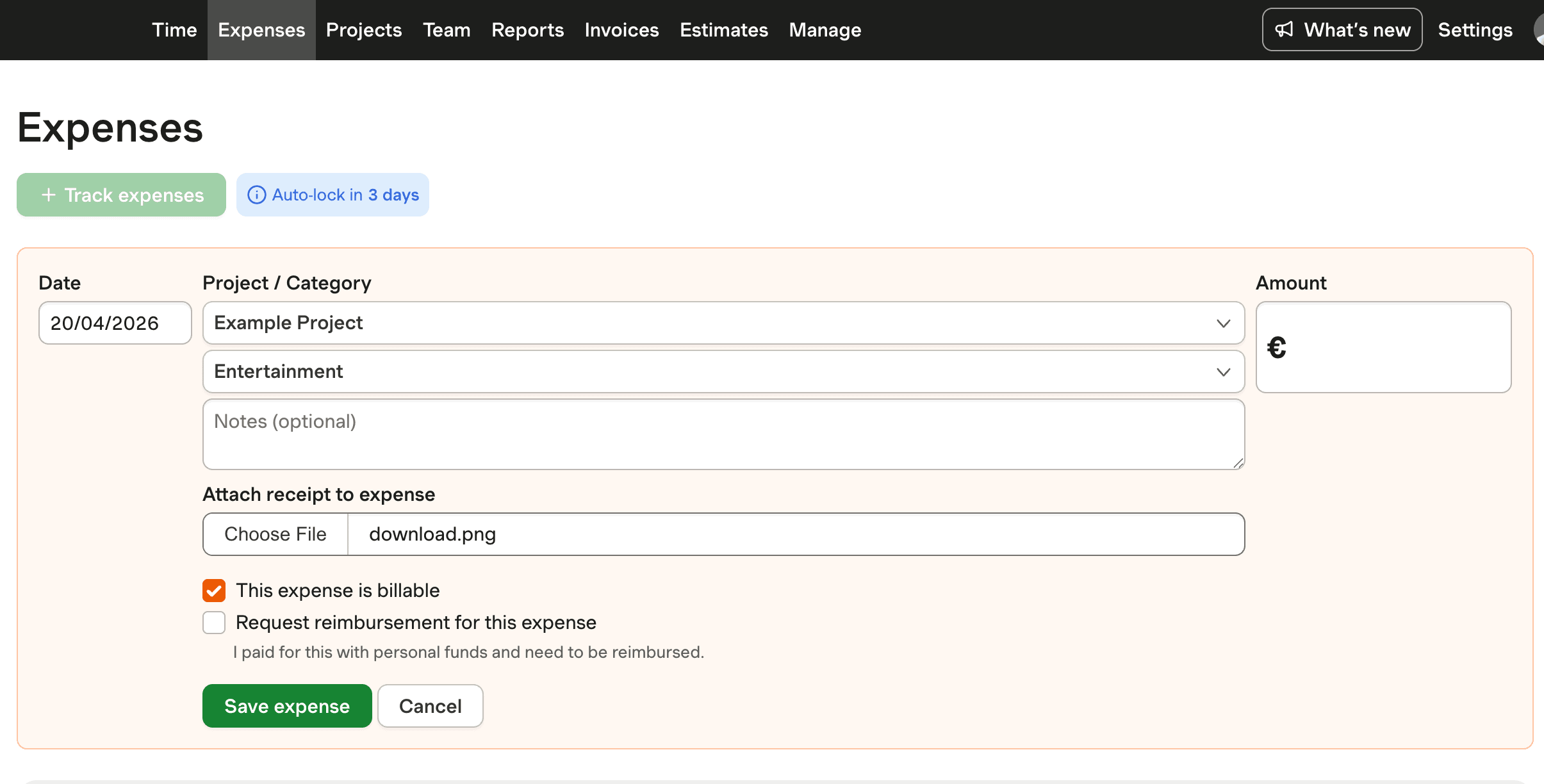
See how Harvest tracks expenses with detailed logs for project management. Ideal for streamlining petty cash reporting.

Harvest petty cash report format screenshot

Petty Cash Report Format FAQs

  • A petty cash report typically includes fields for the date, description of the transaction, amount, and category (e.g., office supplies, travel). These fields ensure clarity and consistency in financial tracking.

  • To ensure accurate tracking, use a digital expense management system that automates recording and approval processes. Systems like Harvest offer detailed transaction logs categorized by type, enhancing transparency and control.

  • Yes, petty cash reports can vary, but they generally include essential fields like date, description, and amount. Digital formats often integrate with accounting software for enhanced tracking and reporting.

  • Best practices include establishing clear policies, designating a custodian, maintaining accurate documentation, and conducting regular reconciliations. Utilizing digital tools can further enhance these practices.

  • Harvest assists by providing detailed transaction logs and categorization for project-based expenses. It integrates with timesheet approvals and invoicing, offering a comprehensive financial management solution.

  • Digital management reduces manual errors, enhances security, and provides real-time insights into expenses. It automates processes like receipt processing and approval hierarchies, improving efficiency and compliance.

  • Manual management can lead to misplaced receipts, unauthorized expenses, and reconciliation inconsistencies. These issues can be mitigated by adopting digital expense tracking tools.