
Harvest
Expenses
Sign up

Irs T&E

Harvest provides a streamlined way to track project-based expenses, helping businesses manage T&E expenses efficiently. For IRS-specific compliance, consult a tax professional.

EXPENSE REPORT DRAFT

Drop your receipts here or click to upload

Images and PDFs (max 10 MB each)

Date
Category
Merchant
Description
Amount
Total
$0.00

Customise report

Appearance

Show report title

Report settings

Understanding IRS Guidelines for Travel & Entertainment Expenses

The IRS enforces strict guidelines on what qualifies as deductible travel and entertainment (T&E) expenses for businesses. To be deductible, expenses must be both "ordinary and necessary" for business operations. This means they should be common in your trade or business and helpful for its continuation. For example, meals are generally 50% deductible if a business contact is present, and the setting is not extravagant. However, deductions for entertainment expenses were largely eliminated by the Tax Cuts and Jobs Act (TCJA) of 2017, highlighting the need for businesses to stay updated on tax laws.

For businesses, understanding these guidelines is crucial to avoid penalties. Failure to adequately substantiate T&E expenses can lead to disallowance of deductions by the IRS, potentially resulting in significant fines. Harvest can assist by providing a platform to track expenses by project and category, offering a solid foundation for compiling deductible expenses, although it is important to consult a tax professional for compliance-specific advice.
Recordkeeping Requirements for IRS Compliance

Recordkeeping is a critical component of IRS compliance for T&E expenses. The IRS mandates that businesses maintain detailed records including the amount, date, place, business purpose, and business relationship of the individuals involved. Receipts are typically required for expenses over $75. This meticulous documentation is essential to substantiate expenses and ensure compliance, especially in industries like construction, where travel expenses are high and subject to audit.

While Harvest allows users to upload receipts and categorize expenses, thereby aiding in recordkeeping, it is essential for users to ensure these records align with IRS requirements. Businesses should keep these records for at least three years, although specific circumstances may extend this period to six years. Implementing automated systems, like Harvest, can streamline this process, reduce errors, and provide real-time visibility into spending patterns.

Differentiating Business and Personal Travel Expenses

Separating business from personal travel expenses is vital for IRS compliance. The IRS requires that businesses clearly distinguish between these expenses to avoid inaccuracies in tax filings. This can be particularly challenging for employees who frequently travel or work in hybrid roles. According to industry analysts, leveraging T&E management tools is becoming indispensable for achieving this clarity and maintaining compliance.

Harvest facilitates the organization of expenses by project and category, which can help users differentiate business expenses from personal ones. However, it is crucial to apply these categorizations correctly and consult with a tax professional to ensure compliance with IRS rules. This approach not only aids in maintaining accurate records but also helps in forecasting and budgeting travel expenses more effectively.

Maximizing Meal Deductions Under IRS Rules

Understanding the limits and exceptions for meal deductions is essential for maximizing T&E tax benefits. The IRS allows a 50% deduction for business meals, provided they meet specific criteria. These meals must be directly related to business activities, with the taxpayer or an employee present, and not considered lavish. Temporary expansions, such as the 100% deduction for restaurant meals in 2021 and 2022, have since expired, emphasizing the importance of staying informed about current rules.

While Harvest can track meal expenses, businesses should ensure they comprehend the deduction criteria to optimize their tax returns. Regular consultation with tax professionals can provide guidance on applying these deductions correctly. By using Harvest to maintain detailed records, businesses can better support their deduction claims during IRS audits.

Manage IRS-Compliant T&E with Harvest

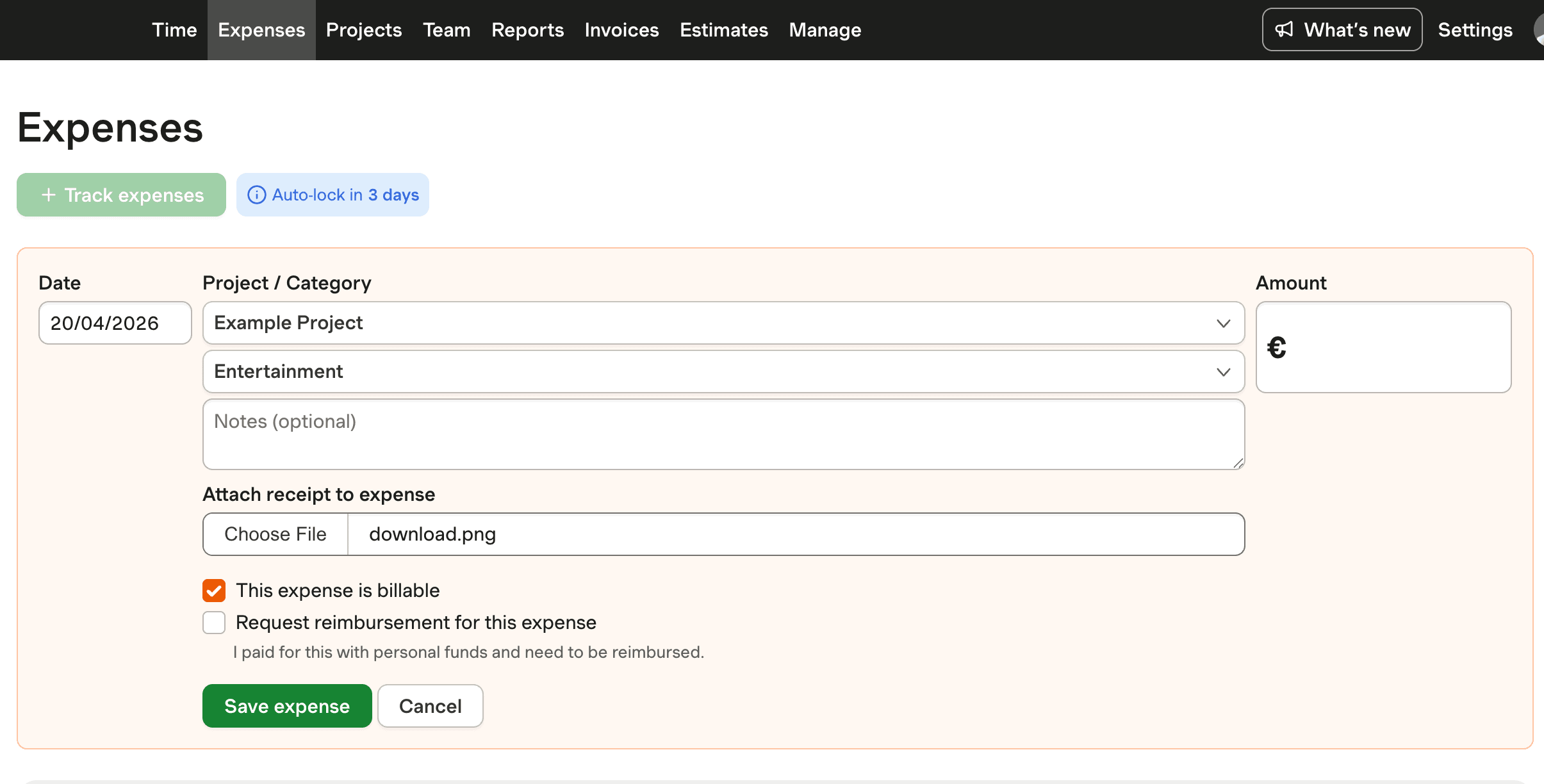
See how Harvest tracks travel and entertainment expenses, aiding in accurate IRS recordkeeping for tax compliance.

Harvest interface showing travel and entertainment expense tracking features.

Irs T&E FAQs

  • Deductible T&E expenses must be "ordinary and necessary" for business operations. This includes expenses like business meals, which are 50% deductible if not lavish and involve a business contact. Entertainment expenses are largely non-deductible post-TCJA.

  • The IRS requires that T&E expenses are documented with details like amount, date, location, business purpose, and business relationship. Receipts are necessary for expenses over $75. Keep these records for at least three years.

  • Business meals are generally 50% deductible if they are not considered lavish and involve a business contact. Temporary expansions to 100% deductions for certain years have expired, so staying updated is crucial.

  • To separate personal and business travel expenses, maintain detailed records and use tools like Harvest to categorize expenses by project. Consulting a tax professional ensures compliance with IRS guidelines.

  • Non-compliance can lead to disallowed deductions, resulting in significant taxes and penalties. Accurate recordkeeping and compliance with IRS guidelines are crucial to avoid these penalties.

  • Harvest aids in tracking expenses by allowing users to upload receipts and categorize expenses by project. This helps in organizing and maintaining detailed records for potential IRS audits.

  • While Harvest helps in tracking and organizing expenses, businesses should consult tax professionals for specific IRS compliance guidance. Harvest facilitates accurate recordkeeping, which is a key component of compliance.