
Harvest
Expenses
Sign up

Mileage Expense Sheet

Harvest simplifies mileage expense tracking by allowing manual entry and custom rate settings, ideal for small teams needing straightforward project-based tracking.

  • Attach receipts to projects & tasks
  • Turn tracked expenses into client invoices
  • Free 30-day trial, no credit card needed

or drag & drop • Images and PDFs, max 10 MB

Understanding IRS Mileage Log Requirements

IRS mileage log requirements are critical for businesses and individuals claiming vehicle expense deductions. According to IRS Publication 463, a compliant mileage log must include the date of the trip, starting and ending locations, the purpose of the trip, and the total miles driven. Regular commuting from home to a primary workplace is considered personal and non-deductible. Retaining these records for at least three years from the tax filing date is mandatory, with some experts recommending up to seven years for added security against audits.

Manual tracking methods, however, are prone to errors, with research indicating that 88% of spreadsheets contain inaccuracies. This can lead to a 10-15% inflation in reported mileage. To mitigate this, businesses are increasingly shifting to automated solutions that enhance accuracy and compliance. Despite this trend, Harvest offers a practical alternative by allowing users to manually enter mileage expenses, ensuring they meet compliance needs while maintaining accurate records for audits.
The Shift to Automated Mileage Tracking

The shift from manual to automated mileage tracking systems has become a significant trend, driven by the need for efficiency and accuracy. Automated tools can save companies over 4,000 hours annually across 100 employees, translating to about 21 hours saved per employee each year. This not only reduces administrative overhead but also redirects valuable time to higher-value tasks.

While Harvest does not provide automated tracking solutions, it supports manual mileage entry with custom rate settings. This feature is particularly useful for small teams or businesses looking to maintain accurate records without investing in comprehensive automated systems. By facilitating detailed tracking by date, project, and category, Harvest helps ensure compliance and readiness for potential IRS audits.

Utilizing Harvest for Mileage Expense Tracking

For those needing a straightforward method to track mileage expenses, Harvest provides a reliable solution. Users can manually enter the quantity of miles or kilometers driven and apply a custom rate for reimbursement calculations. This is particularly advantageous for small teams or businesses that require simple, project-based tracking without the complexities of automated systems.

Moreover, Harvest's ability to categorize expenses by project and date aids in maintaining organized records, crucial for IRS compliance. Although Harvest does not log specific trip details like destination or purpose, it supports thorough documentation of mileage expenses, ensuring users have the necessary records for tax deductions and audits.

Maximizing Tax Deductions with Accurate Records

Maintaining accurate mileage records is essential for maximizing tax deductions and ensuring compliance. Manual tracking methods, while traditional, often lead to significant inaccuracies. Automated systems have been proven to reduce these errors, but not every business is ready for such a transition. Harvest offers a middle ground by allowing manual entry of mileage with the flexibility to set custom rates, ensuring users meet IRS requirements.

Accurate record-keeping is not just about compliance; it also safeguards against penalties. Failure to maintain detailed logs can result in disallowed deductions and additional taxes. By using Harvest to track mileage expenses, businesses can confidently submit thorough and accurate records, maximizing their potential deductions while minimizing audit risks.

Mileage Expense Tracking with Harvest

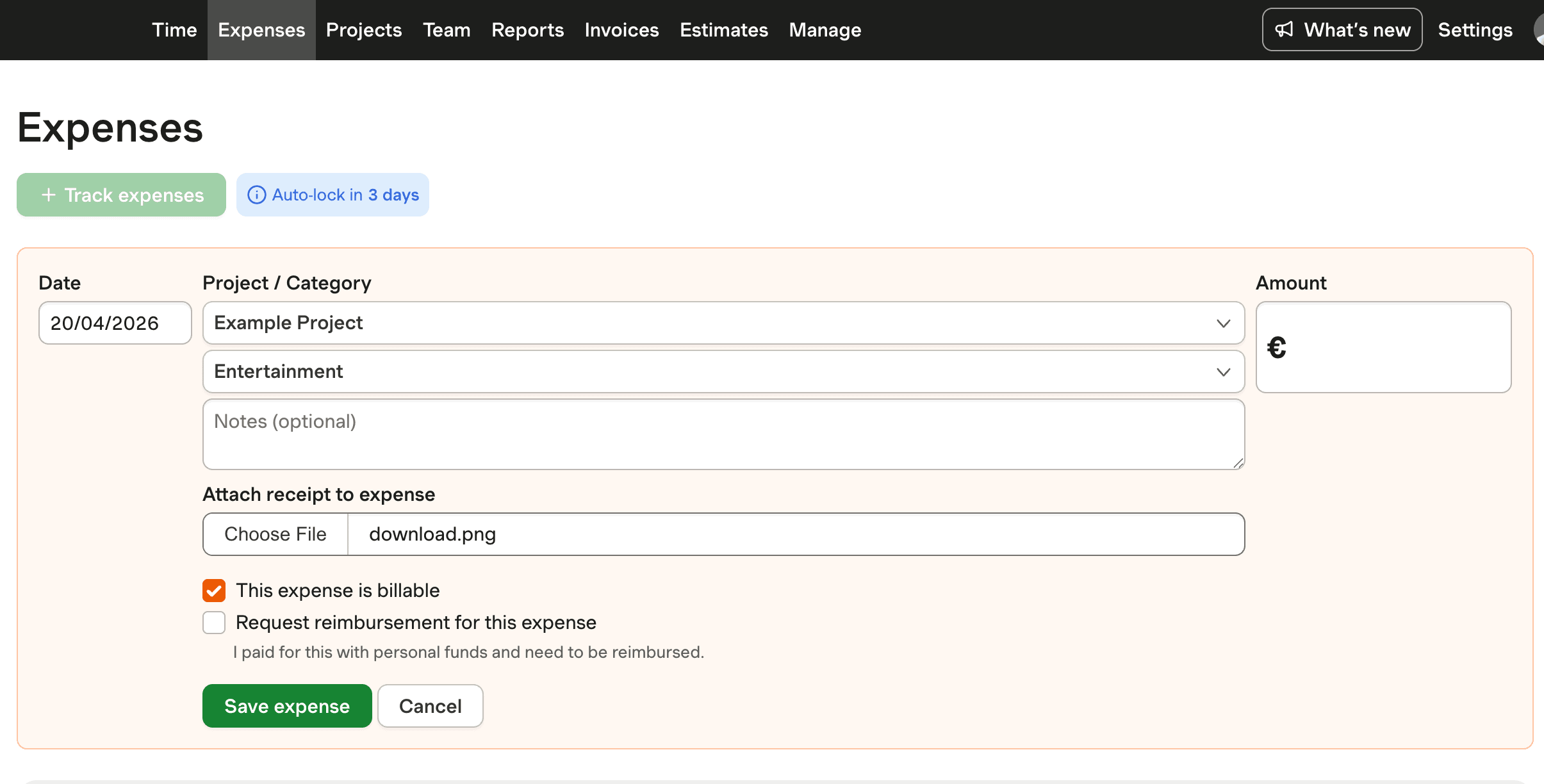
See how Harvest allows you to manually enter mileage expenses and set custom rates, ensuring accurate and IRS-compliant records.

Screenshot of Harvest's mileage expense entry feature.

Mileage Expense Sheet FAQs

  • The IRS requires mileage logs to include the date of the trip, starting and ending locations, the purpose, and total miles driven. These records must be maintained for at least three years.

  • Accurate mileage tracking can be achieved using automated GPS-based apps or manual entry systems like Harvest. Ensure you log all travel details contemporaneously to meet IRS requirements.

  • Manual mileage tracking often leads to errors, with studies showing 88% of spreadsheets contain inaccuracies. This can result in 10-15% mileage inflation, risking non-compliance and financial loss.

  • Harvest allows users to manually track mileage expenses and apply custom rates. This ensures accurate project-based tracking and IRS-compliant records for small teams.

  • Harvest does not automate mileage tracking but allows for manual entry of expenses, making it ideal for teams who need simple tracking without full automation.

  • A mileage expense sheet should include the date, starting and ending locations, purpose of the trip, and total miles driven. This ensures compliance with IRS guidelines.

  • Automated mileage tracking saves time and reduces errors, with companies saving over 4,000 hours annually across 100 employees, enhancing overall productivity and compliance.