
Harvest
Expenses
Sign up

Auto Reimbursement

Auto reimbursement can significantly impact costs and employee satisfaction. Harvest offers simple mileage tracking to streamline expense management for small teams.

EXPENSE REPORT DRAFT

Drop your receipts here or click to upload

Images and PDFs (max 10 MB each)

Date
Category
Merchant
Description
Amount
Total
$0.00

Customise report

Appearance

Show report title

Report settings

Understanding Auto Reimbursement Methods

Auto reimbursement is a crucial aspect of employee compensation for those using personal vehicles for work-related tasks. Understanding the available reimbursement methods is essential for ensuring fair and compliant compensation. The most common methods include the IRS standard mileage rate, which will rise to 72.5 cents per mile in 2026, and the Fixed and Variable Rate (FAVR) method. FAVR is particularly popular in high-mileage industries such as retail, where it accounts for over 64.6% of reimbursements.

Each method has its advantages: the IRS mileage rate offers simplicity, while FAVR provides accuracy by adjusting reimbursement based on geographical and mileage variations. Recent trends show a shift towards automated mileage capture, which reduces errors and saves time. An industrial parts distributor, for instance, saved 25% in overall costs by adopting a FAVR program over a traditional company car setup.
Navigating IRS Compliance for Auto Reimbursements

Ensuring compliance with IRS regulations is vital when implementing auto reimbursement programs. While there's no federal mandate for mileage reimbursement, employers must ensure expenses don't lower wages below the federal minimum. As of 2026, states like California, Illinois, and Massachusetts require reimbursement for work-related vehicle use.

Accurate record-keeping is essential. The IRS requires detailed logs, including trip dates, purposes, and odometer readings, to be retained for at least three years. Failure to comply can lead to denied deductions and penalties. However, Harvest allows for manual entry of mileage rates and expenses, which can aid in maintaining accurate records, although it does not ensure IRS compliance directly.

The Benefits of Automated Mileage Tracking

Automated mileage tracking is transforming how businesses handle auto reimbursements. By using mobile applications, companies can significantly reduce errors associated with manual logs and streamline administrative processes. This method has led to substantial operational cost reductions, sometimes up to 40% annually, as demonstrated by companies that have adopted GPS-enabled tracking systems.

For small teams looking for straightforward solutions, Harvest offers manual mileage tracking where users can set a per-mile rate, making it an ideal tool for basic expense management. While Harvest doesn't provide sophisticated FAVR capabilities, its simple interface is perfect for teams needing to track and manage mileage expenses efficiently.

Legal Implications and Recent Changes in Auto Reimbursement

Legal compliance in auto reimbursement is complex, with regulations varying by region. In the U.S., federal law dictates that employee expenses must not reduce wages below the minimum wage, but does not specifically require mileage reimbursement. Recent legal changes emphasize covering actual vehicle costs, especially for low-wage earners.

The Sixth Circuit Court recently vacated decisions supporting the IRS mileage rate, highlighting the need for reimbursement based on actual costs. For companies, this underscores the importance of staying informed about legal requirements and adapting reimbursement policies accordingly. Harvest enables manual tracking of expenses, which can aid in compliance, although it does not directly manage legal implications.

Simplify Auto Reimbursement with Harvest

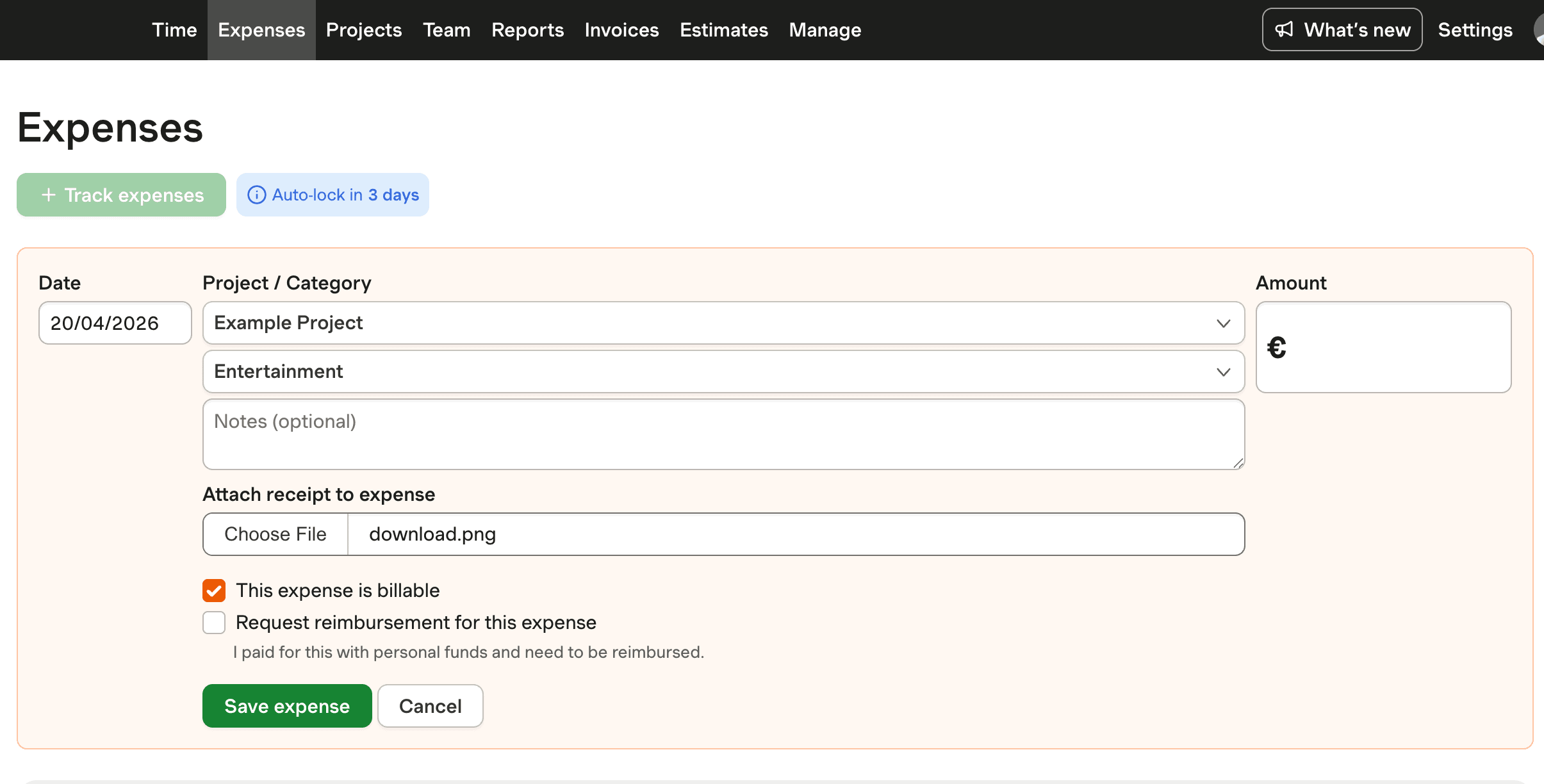
Harvest's mileage tracking feature offers a streamlined solution for auto reimbursement, perfect for small teams managing expenses.

Screenshot of Harvest's mileage tracking feature for auto reimbursement.

Auto Reimbursement FAQs

  • The primary auto reimbursement methods are the IRS standard mileage rate and the Fixed and Variable Rate (FAVR) method. The IRS rate provides a simple per-mile reimbursement, while FAVR adjusts for regional and mileage differences, offering more precise compensation.

  • FAVR reimbursement combines a fixed monthly payment with a variable per-mile rate, tailored to an employee's driving habits and location. This model is prevalent in industries with high mileage, such as retail, offering detailed accuracy over flat rates.

  • Employers must maintain detailed mileage logs, including trip dates, purposes, and odometer readings, retained for at least three years. While IRS compliance isn't federally mandated, expenses must not reduce wages below the minimum wage.

  • Companies can automate mileage tracking through GPS-enabled mobile applications, which reduce manual entry errors and streamline expense reporting. Automation can save significant time and resources, enhancing accuracy and efficiency.

  • Reimbursements at or below the IRS mileage rate are non-taxable, while car allowances are typically taxable. FAVR programs can help avoid taxes by providing non-taxable reimbursements based on actual vehicle expenses.

  • Harvest allows for manual entry of mileage rates and expenses, making it suitable for small teams needing basic expense management. It helps maintain accurate records though it doesn't ensure IRS compliance.

  • Accurate mileage tracking ensures fair compensation, compliance with legal requirements, and helps avoid penalties. Automation of tracking enhances accuracy, saves time, and reduces the risk of errors or fraudulent claims.