
Harvest
Expenses
Sign up

Monthly Expenses Sheet in Excel Format

Harvest empowers businesses to track monthly expenses with customizable categories and detailed reporting, addressing the limitations of traditional spreadsheets.

EXPENSE REPORT DRAFT

Drop your receipts here or click to upload

Images and PDFs (max 10 MB each)

Date
Category
Merchant
Description
Amount
Total
$0.00

Customise report

Appearance

Show report title

Report settings

Why Excel Spreadsheets Dominate Expense Tracking

Excel spreadsheets have long been a staple for tracking monthly expenses, thanks to their accessibility and flexibility. However, they are not without their drawbacks. Despite their widespread use, 94% of spreadsheets contain errors, which can stem from simple typos to complex formula miscalculations. This highlights a significant risk for individuals and businesses relying on spreadsheets for financial accuracy. On average, users spend 10-15 hours monthly managing data entry in spreadsheets, a time-consuming task that often leads to frustration.

Despite these challenges, spreadsheets remain popular due to their familiarity and capability to handle custom calculations. For example, small businesses frequently use Excel to manage cash flow and tax obligations. Yet, the lack of connectivity and the manual nature of data input are major barriers to efficiency. Transitioning to a more integrated solution like Harvest can alleviate these issues by automating expense tracking and offering customizable categories.
Customizing Your Excel Expense Sheet for Maximum Efficiency

Creating a monthly expenses sheet in Excel can be a straightforward process if done correctly. To start, initiate a new workbook and define essential columns such as date, description, category, and amount. This setup allows users to systematically log expenses, making it easier to identify spending patterns. Applying Excel's built-in functions like SUM and AVERAGE can further streamline the tracking process, offering quick insights into total expenses.

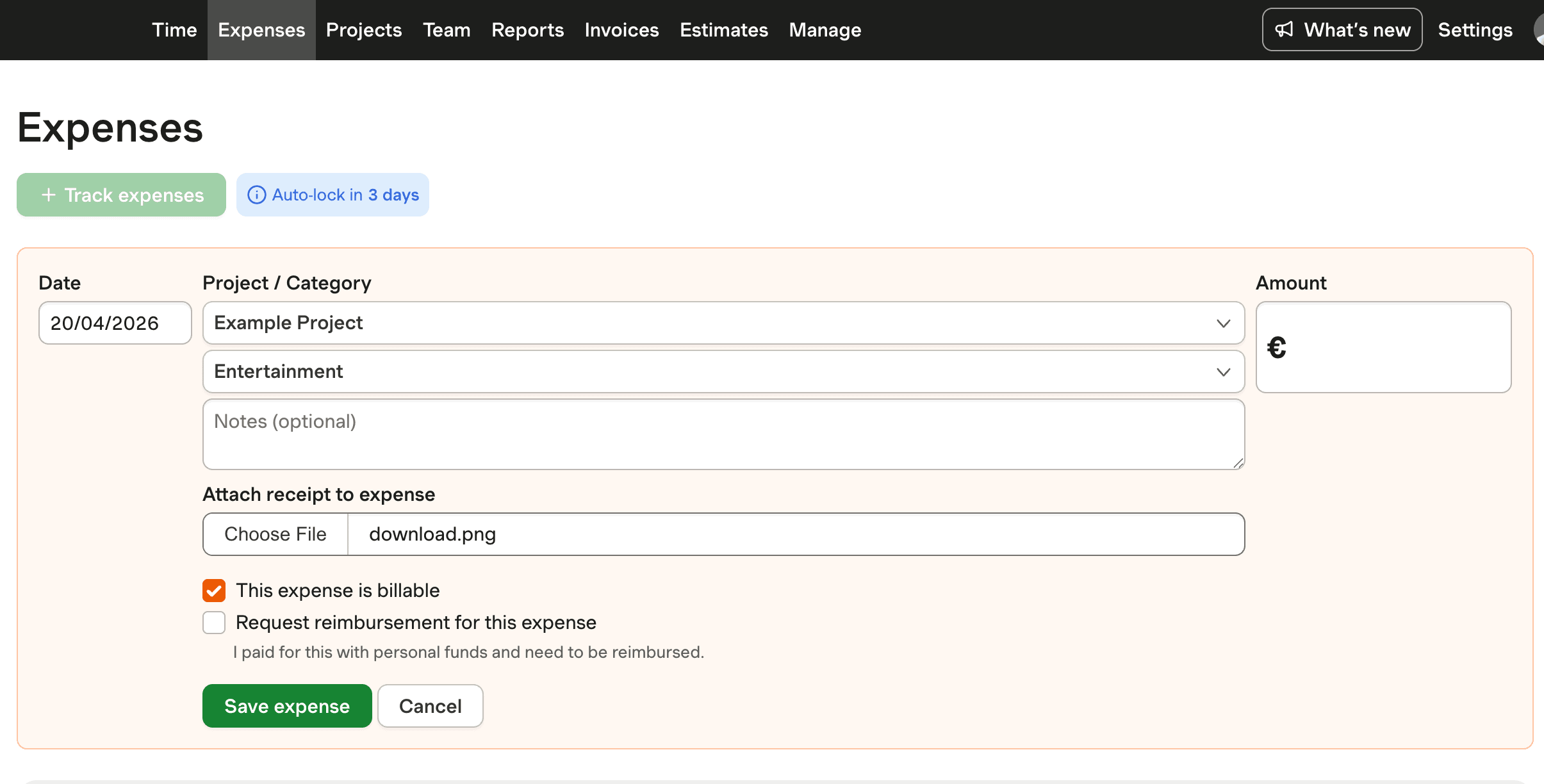
However, the absence of real-time financial insights remains a limitation. This is where Harvest stands out by offering customizable categories for different expense types, allowing users to tailor their tracking to specific needs. Whether it's utilities, groceries, or entertainment, Harvest provides the flexibility to categorize expenses effectively, thereby enhancing the accuracy of financial records.

Addressing the Limitations of Spreadsheets with Harvest

While spreadsheets provide a degree of customization, they fall short in areas like real-time data integration and error reduction. Businesses often encounter the challenge of manual errors and cumbersome data transfer between documents. This is where Harvest can make a significant impact. By focusing on project-based expense tracking, Harvest streamlines the process with features that allow administrators to create and manage custom categories tailored to various business needs.

Harvest also facilitates tracking irregular expenses, such as annual subscriptions or one-time purchases, by allowing users to sort expenses by date and category. This functionality not only aids in precise financial planning but also supports compliance by maintaining thorough records. As businesses continue to embrace digital transformation, tools like Harvest offer a more efficient alternative to traditional spreadsheets, reducing the risk of errors and enhancing overall financial management.

Track Monthly Expenses with Harvest

Harvest offers customizable categories for tracking monthly expenses, enhancing financial accuracy and reporting efficiency.

Harvest dashboard showing monthly expenses tracking with customizable categories

Monthly Expenses Sheet in Excel Format FAQs

  • Excel expenses sheets are highly customizable, allowing users to define columns and formulas specific to their financial needs. This flexibility is beneficial for small businesses and individuals managing cash flow. However, they often require significant manual data entry, which can lead to errors and inefficiencies.

  • To customize an Excel expenses sheet, start by defining columns such as date, description, category, and amount. Utilize Excel functions like SUM and AVERAGE to automate calculations and create a summary sheet for quick overviews. This setup helps in identifying spending patterns and optimizing financial management.

  • Spreadsheets often require extensive manual data entry, which increases the risk of errors. They lack real-time data integration, making it difficult to maintain accurate financial records. Transitioning to tools like Harvest can mitigate these limitations by automating data entry and offering customizable expense categories.

  • Harvest enhances traditional expense tracking by allowing businesses to create custom categories for various expenses, providing detailed reports that can be exported for analysis. This reduces manual errors and improves financial oversight. Harvest also tracks irregular expenses, supporting precise financial planning.

  • Yes, Harvest can track irregular expenses such as annual subscriptions or one-time purchases. It allows users to sort expenses by date and category, facilitating accurate financial planning and compliance.

  • An effective monthly expenses template should include customizable columns for date, description, category, and amount. It should also offer automated calculations and a summary sheet for quick insights. These features help in managing and optimizing financial records efficiently.

  • Businesses continue to use spreadsheets due to their familiarity and ability to handle custom calculations. However, the lack of real-time data integration and high error rates are significant drawbacks, prompting many to consider more advanced tools like Harvest for improved efficiency.

  • Harvest is ideal for managing project expenses, offering customizable categories and detailed reporting. It allows businesses to track expenses by project and category, streamlining financial management and ensuring accuracy in expense tracking.