
Harvest
Expenses
Sign up

Mpg Tracker

Harvest simplifies the process of manually tracking mileage expenses related to projects, helping businesses manage travel costs effectively.

  • Attach receipts to projects & tasks
  • Turn tracked expenses into client invoices
  • Free 30-day trial, no credit card needed

or drag & drop • Images and PDFs, max 10 MB

Understanding Fuel Economy Tracking

Fuel economy tracking is essential for managing vehicle operating costs and environmental impact. Companies that implement GPS tracking systems have reported reductions in fuel costs by up to 30%. Fuel expenses can constitute 30-40% of total fleet operating costs, making efficient tracking crucial for cost management. Automated tracking can result in average savings of 12-18% for fleets within 90 days, showcasing the substantial benefits of digital monitoring systems.

While many tools offer comprehensive solutions, Harvest specializes in tracking project-related mileage expenses, allowing businesses to capture precise travel costs. This manual entry system is ideal for teams needing detailed project expense tracking but does not extend to vehicle fuel efficiency or maintenance analysis.
The Role of Compliance in MPG Tracking

Compliance with regulatory requirements is a critical component of mpg tracking, especially for commercial fleets. Regulations like the International Fuel Tax Agreement (IFTA) necessitate accurate tracking and reporting of fuel purchases and miles traveled. Automated systems can simplify this process, ensuring businesses remain audit-ready. Maintaining accurate logs also aids in tax compliance and mitigating fraudulent claims.

Harvest provides a reliable platform for manually logging mileage expenses, which is beneficial for compliance with travel-related project expenses. While it doesn't automate fuel efficiency tracking, it ensures that project-related mileage expenses are recorded accurately, aiding in compliance and financial reporting.

Expert Insights on Fuel Efficiency

Industry experts emphasize that fuel management is more than a cost-cutting measure; it provides strategic advantages by meticulously tracking fuel purchases and optimizing expenditures. Tracking key performance indicators (KPIs) related to fuel consumption can drive 60-70% of fuel savings because drivers improve habits when performance is monitored.

Though Harvest does not analyze fuel consumption trends, it excels at tracking project-specific mileage expenses. This capability ensures businesses can account for travel-related costs accurately and efficiently, contributing to better project budget management.

Practical Strategies for Effective MPG Tracking

Implementing effective mpg tracking involves leveraging advanced technologies and strategic practices. For instance, optimizing routes can reduce unnecessary mileage, saving fuel and boosting productivity. Utilizing automated maintenance alerts ensures vehicles remain in optimal condition, directly impacting fuel economy.

While Harvest does not integrate with vehicle maintenance systems, it supports manual mileage tracking for project-related expenses. This feature ensures that all travel costs are captured accurately, aiding in comprehensive project management and financial oversight.

Harvest for Mileage Expense Tracking

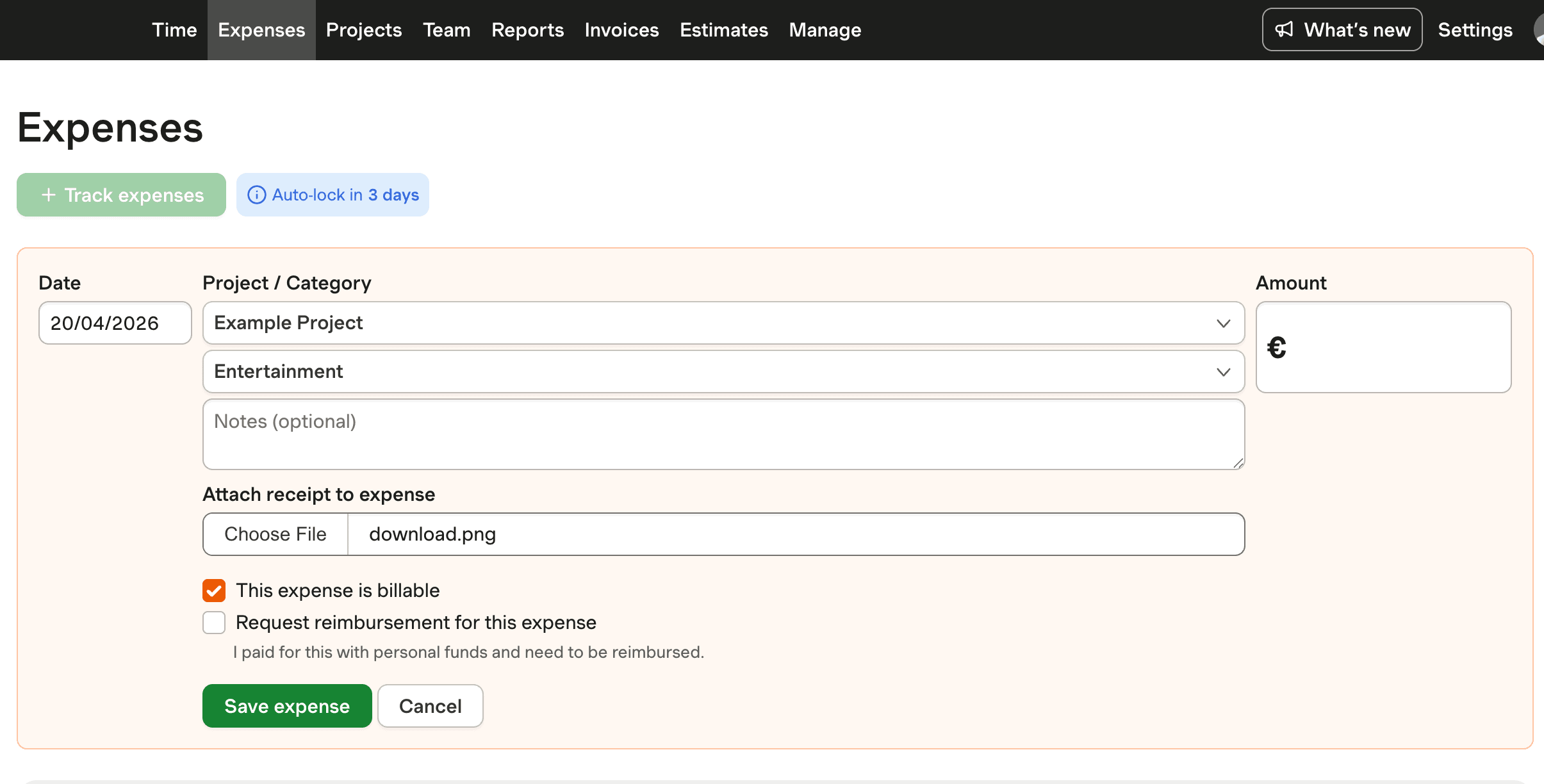
See how Harvest allows manual entry of project-related mileage expenses, aiding in accurate travel cost management.

Harvest interface for tracking project mileage expenses

Mpg Tracker FAQs

  • Companies using GPS tracking systems have reported up to 30% reductions in fuel costs. Automated tracking can save fleets 12-18% on fuel within 90 days by monitoring consumption and optimizing routes.

  • Compliance is crucial for mpg tracking, especially for commercial vehicles, to meet regulations like the International Fuel Tax Agreement (IFTA). Accurate tracking ensures audit readiness and tax compliance.

  • Tracking key performance indicators (KPIs) related to fuel consumption can lead to 60-70% savings. Drivers improve habits when they know their performance is being monitored, enhancing overall efficiency.

  • To maximize mpg tracking, use GPS for route optimization and automate maintenance alerts to keep vehicles in peak condition. Manual recording of fuel and odometer readings ensures accuracy.

  • Harvest supports manual entry of mileage expenses, which is ideal for accurately capturing travel costs related to projects, aiding in precise financial tracking and compliance.

  • Harvest does not track fuel efficiency for hybrid vehicles. It focuses on manual mileage expense tracking, ensuring project-related travel costs are recorded accurately.

  • Look for features like automated fuel tracking, route optimization, and maintenance alerts. While Harvest focuses on manual mileage tracking, it's ideal for project-related expense management.