
Harvest
Expenses
Sign up

Fee Reimbursement

Harvest helps individuals and organizations manage fee reimbursement efficiently by streamlining time tracking and invoicing processes, reducing costs and errors.

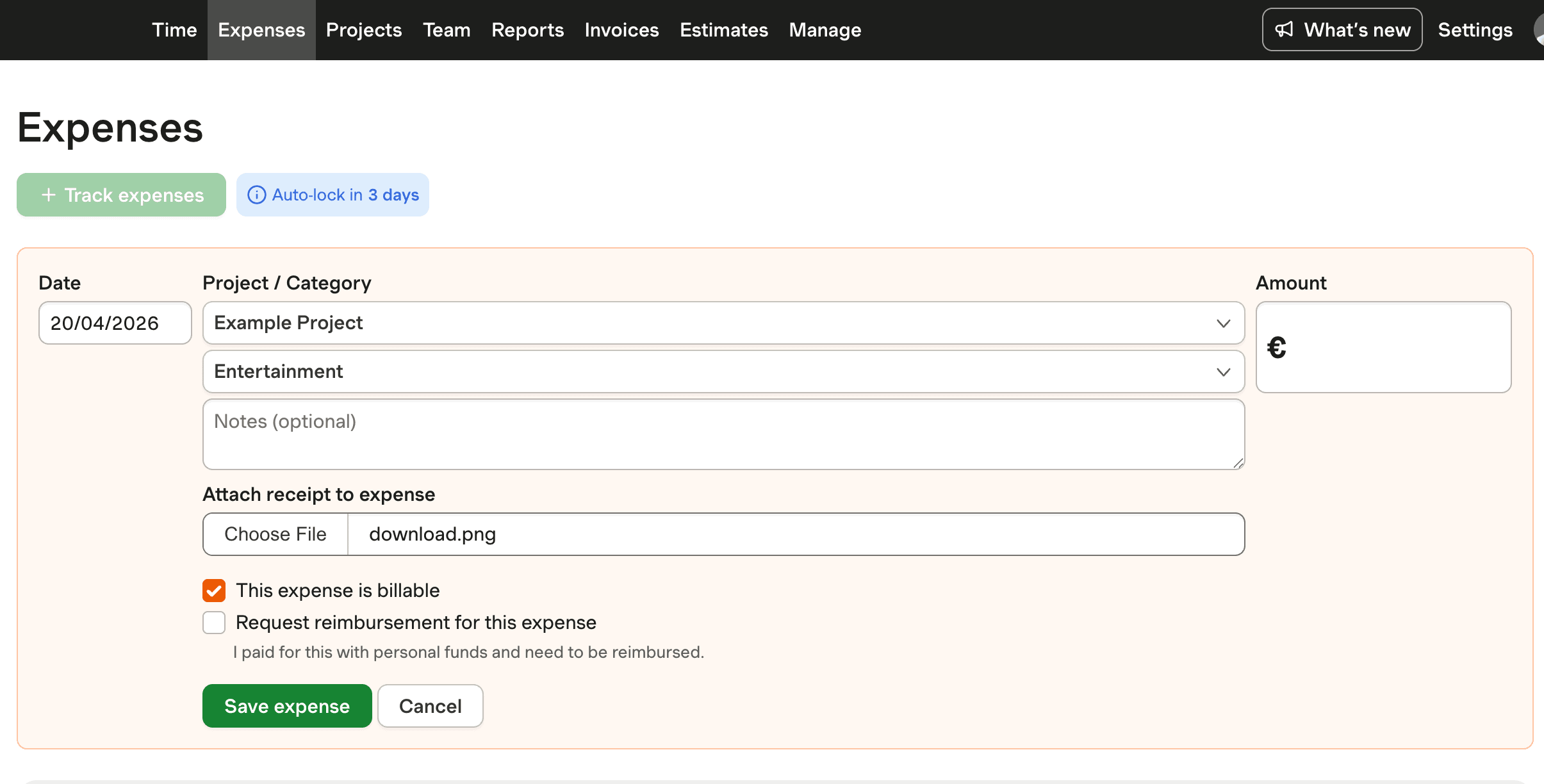
  • Attach receipts to projects & tasks
  • Turn tracked expenses into client invoices
  • Free 30-day trial, no credit card needed

or drag & drop • Images and PDFs, max 10 MB

Understanding Fee Reimbursement

Fee reimbursement is a crucial financial management aspect for both individuals and organizations, allowing for the repayment of out-of-pocket expenses incurred on behalf of a company or for services rendered. This process is essential for maintaining employee morale and ensuring organizational efficiency. In recent years, technological advancements have significantly impacted how fee reimbursements are managed. Despite these advancements, the adoption rate of expense management software remains between 39% and 47% of companies, leaving a substantial portion still reliant on manual processes such as spreadsheets or paper receipts.

Automation in expense management can drastically improve efficiency and reduce costs. For instance, businesses that automate their processes can cut processing time by 60% and costs by 35%. The average cost of processing a single expense report drops from $58 to $49 when using expense report software, highlighting the financial benefits of automation. Furthermore, businesses can save over 1,800 employee hours annually and reduce accounts payable processing costs by up to 80% with automation.
Eligibility and Documentation Requirements

Determining eligibility and preparing the necessary documentation are critical steps in the fee reimbursement process. Typically, reimbursable expenses should have a clear business connection, and employees must substantiate these expenses within a reasonable timeframe. This is crucial for compliance with IRS "accountable plan" rules, ensuring reimbursements are non-taxable income for employees.

A comprehensive reimbursement policy should clearly define what expenses are eligible, required documentation, and submission deadlines. For instance, meal per diems and mileage rates should be updated regularly to reflect current costs, addressing inflationary pressures. Additionally, businesses should consider regional legal requirements, as several states mandate specific reimbursement obligations for remote work expenses like internet and phone usage.

The Role of Automation in Reimbursement Processes

Automation has become a strategic imperative for organizations looking to streamline their reimbursement processes. Businesses that implement automated systems have seen a 64% reduction in errors and a 40% improvement in policy compliance. These systems facilitate real-time visibility into spending patterns, enabling finance teams to make informed, data-driven decisions and identify cost-saving opportunities.

Furthermore, automation provides structured approval workflows, reducing manual errors and fraud risk. Companies report saving over $6,000 monthly on processing costs due to automation. By integrating expense management with other financial systems like accounting and payroll, organizations can enhance their financial visibility and efficiency.

Common Challenges and Solutions in Fee Reimbursement

Fee reimbursement processes face several challenges, including delayed payments, vague policies, and manual errors. These can negatively impact employee morale and productivity. For example, delayed reimbursements often lead to financial stress and a negative perception of the organization, which is why timely processing is crucial.

To address these issues, businesses should implement clear and adaptable reimbursement policies, ensuring they are easily understandable and consistently applied. Automation can mitigate manual errors and delays, providing employees with a seamless reimbursement experience. Regular policy reviews and employee feedback can further refine and enhance reimbursement strategies, aligning them with evolving business needs and work environments.

Fee Reimbursement with Harvest

Explore how Harvest streamlines fee reimbursement with intuitive tracking and invoicing features, ensuring efficiency and compliance.

Harvest interface showing fee reimbursement tracking features.

Fee Reimbursement FAQs

  • Eligible expenses for fee reimbursement typically include those with a clear business connection, such as travel costs, meals, and office supplies. Organizations often define these in their reimbursement policies, aligning with IRS accountable plan rules to ensure compliance.

  • Documentation for fee reimbursement usually includes detailed receipts, invoices, and any relevant proof of purchase. Companies may also require a business purpose statement and timely submission to meet compliance standards.

  • Automation improves fee reimbursement by reducing processing time by 60% and costs by 35%. It minimizes manual errors, ensures policy compliance, and provides real-time visibility into spending patterns for better financial management.

  • Timely reimbursements are crucial as they reduce financial stress and enhance employee satisfaction. Delayed payments can lead to frustration and decreased productivity, impacting overall morale and trust in the organization.

  • Businesses can ensure compliance by implementing clear, adaptable policies, utilizing automated systems to check for policy adherence, and regularly updating procedures to reflect current economic conditions and legal requirements.

  • Manual reimbursement processes are prone to errors, delays, and increased fraud risk. These challenges can result in financial inaccuracies and compliance issues, highlighting the need for automation and digital solutions.

  • While Harvest primarily focuses on time tracking and invoicing, its features can support fee reimbursement processes by offering accurate time and expense tracking, ensuring timely and precise invoicing for reimbursable activities.