
Harvest
Expenses
Sign up

Paperless Receipt Management

Harvest transforms expense tracking by enabling manual receipt uploads and team collaboration, perfect for small businesses seeking efficient project-based management.

  • Attach receipts to projects & tasks
  • Turn tracked expenses into client invoices
  • Free 30-day trial, no credit card needed

or drag & drop • Images and PDFs, max 10 MB

The Shift to Paperless Receipt Management

Paperless receipt management is transforming how businesses handle financial transactions, driven by the need for efficiency and environmental responsibility. The production of paper receipts in the U.S. consumes an estimated 3 million trees and 9 billion gallons of water annually, contributing significantly to environmental waste. Digitizing receipts not only addresses these environmental concerns but also leads to considerable cost savings, as printing each receipt costs between 5 and 10 cents, which can accumulate to substantial expenses for businesses.

Moreover, the digital receipts market is booming, valued at $2.1 billion in 2023 and expected to reach $5.1 billion by 2033. This growth is fueled by technological advancements and a shift in consumer preferences, with nearly 90% of consumers preferring digital over paper receipts. Businesses adopting digital solutions report saving over 40 hours per employee each month, highlighting the productivity gains from such a transition.
How Harvest Facilitates Expense Tracking Without OCR

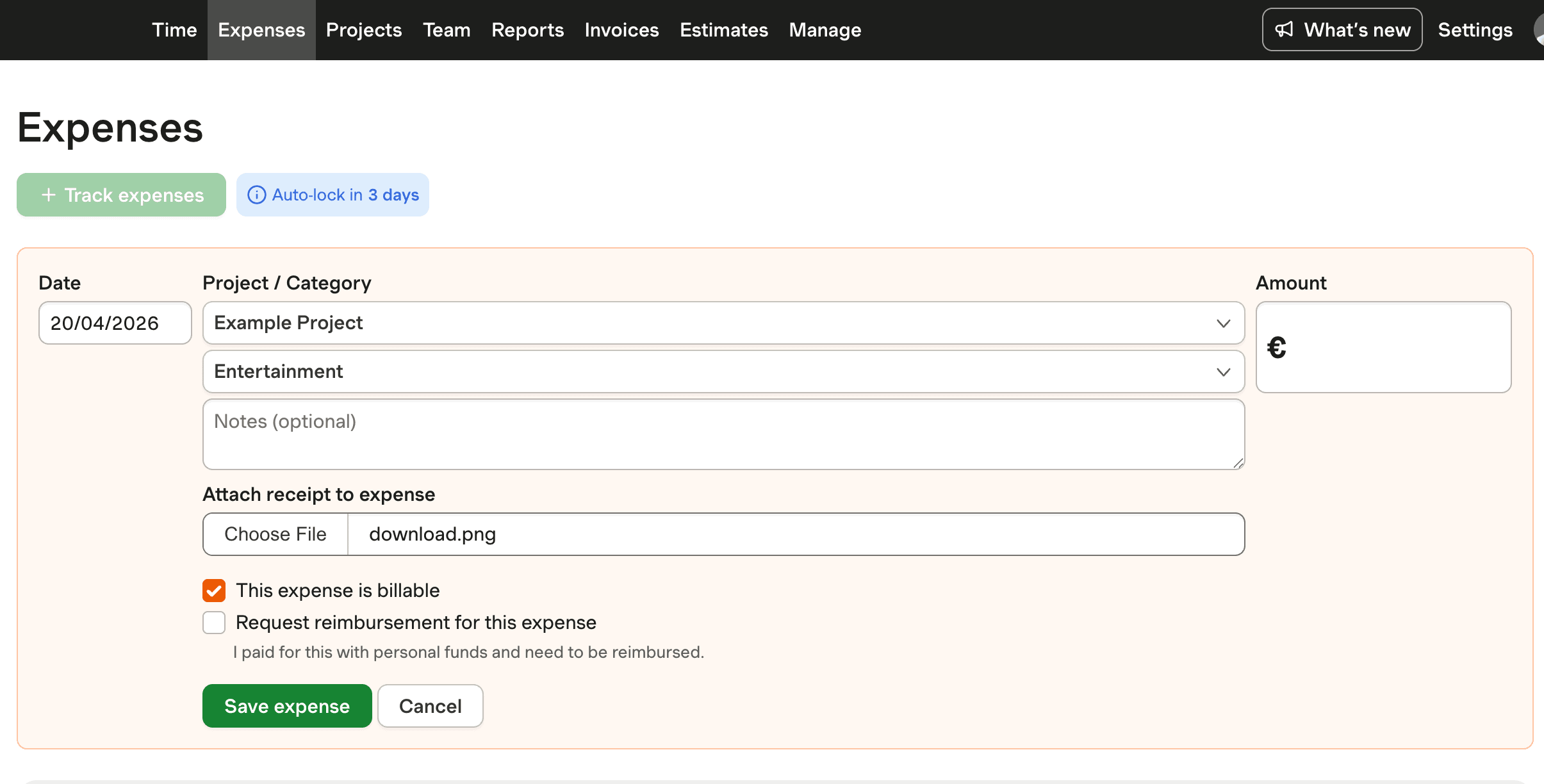
While Harvest does not utilize OCR technology for automatic data extraction from receipts, it provides a robust framework for manual receipt uploads and team collaboration in expense management. This feature is particularly beneficial for small businesses that require straightforward project-based expense tracking. Harvest allows users to manually upload receipts through its web and mobile platforms, ensuring that all financial records are centralized and easily accessible.

Harvest's integration with accounting software like QuickBooks Online and Xero enables seamless data transfer, streamlining the process of managing expenses and invoices. Despite the lack of automated categorization, users can manually select categories, ensuring precise tracking and organization. This manual approach ensures that users maintain full control over their expense management, reducing errors associated with misclassification.

Regulatory Compliance in Digital Receipt Management

Transitioning to digital receipt management involves navigating various compliance regulations. In the U.S., the ESIGN Act and UETA provide the legal framework for the validity of electronic records and signatures, making digital receipts as enforceable as their paper counterparts. However, businesses must stay informed about specific regulations like the FACTA, which, while not applying to email receipts, governs printed credit card information.

Globally, regulations vary: France has banned automatic printing of paper receipts, and Italy is moving towards mandatory digital receipts by 2029. Compliance with data privacy laws such as GDPR and CCPA is crucial, as businesses must obtain explicit consent to send marketing emails via digital receipts. Harvest users should be aware of these regulations to ensure their digital receipt practices are legally compliant and protect customer data.

Leveraging Harvest for Team Collaboration

Harvest excels in facilitating real-time collaboration among team members managing expenses. By allowing multiple team members to access and manage financial records through its applications, Harvest ensures that all team members are on the same page, reducing the risk of miscommunication and enhancing productivity. This collaborative approach is ideal for businesses with distributed teams or those that require shared oversight of financial transactions.

The integration capabilities of Harvest further enhance this collaboration by allowing seamless data sharing with accounting platforms, ensuring that all financial data is up-to-date and accurately reflected across systems. This integration minimizes the manual transfer of data, reducing the potential for errors and streamlining business operations.

Streamline Receipts with Harvest

See how Harvest enables paperless receipt management with manual uploads and team collaboration. Perfect for small businesses.

Harvest dashboard showing paperless receipt management features.

Paperless Receipt Management FAQs

  • Digital receipt management significantly reduces environmental impact by saving 3 million trees annually in the U.S. alone. It also offers cost savings, as printing each receipt costs between 5 and 10 cents, which can add up for businesses. Additionally, businesses report productivity gains, saving over 40 hours per employee each month.

  • To digitize paper receipts, you can scan them using a mobile app or scanner, then store the digital copies in a secure cloud storage service. Harvest allows users to manually upload these digital copies for centralized management.

  • Harvest does not automate receipt categorization. Users manually select categories from a list, ensuring precise tracking and organization. This approach helps maintain full control over expense management.

  • In the U.S., the ESIGN Act and UETA establish the legal validity of electronic records. Globally, regulations like GDPR and CCPA require businesses to obtain explicit consent for digital receipt communications. Harvest users should ensure their practices comply with these laws.

  • Harvest supports team collaboration by allowing multiple team members to manage expenses through its applications. This feature ensures all team members are aligned, reducing miscommunication and enhancing productivity.

  • Yes, Harvest integrates with QuickBooks Online and Xero, allowing seamless data transfer and streamlined expense management. This integration ensures all financial data is up-to-date and accurately reflected across systems.

  • Digital receipts are preferred due to their environmental benefits, cost savings, and convenience. Nearly 90% of consumers favor digital receipts, and businesses can save significant time and resources by adopting digital solutions.

  • The future involves AI-powered personalization, real-time data synchronization across platforms, and integration with mobile wallets. These advancements will further streamline receipt management and enhance customer engagement.