
Harvest
Expenses
Sign up

Spending Management

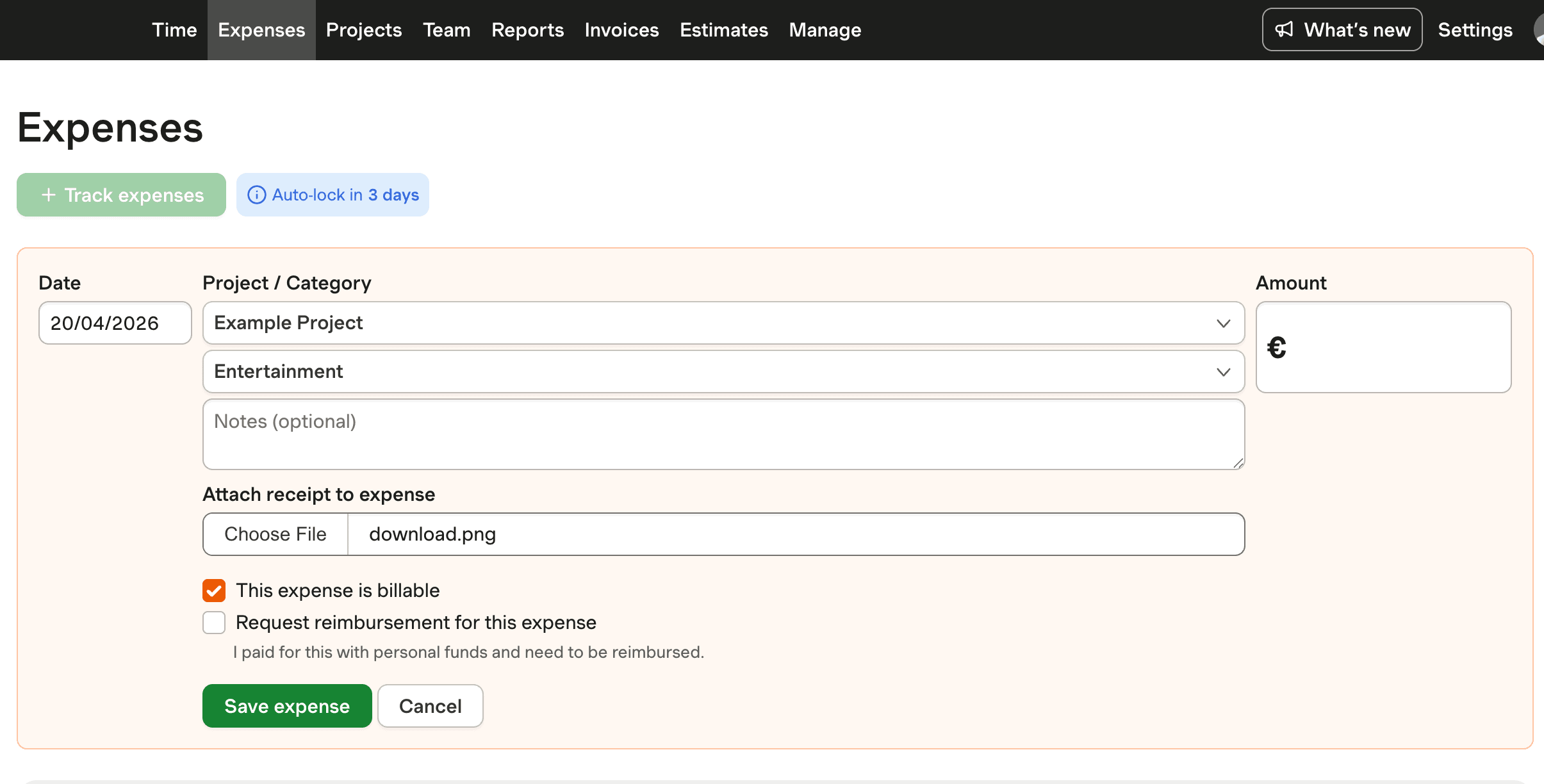
Harvest simplifies expense management by allowing businesses to set budgets for projects, helping control spending and streamline financial oversight.

EXPENSE REPORT DRAFT

Drop your receipts here or click to upload

Images and PDFs (max 10 MB each)

Date
Category
Merchant
Description
Amount
Total
$0.00

Customise report

Appearance

Show report title

Report settings

Understanding the Key Components of Spending Management

Spending management is a crucial function in modern organizations, evolving from manual processes to strategic, technology-driven practices. Effective spending management focuses on real-time visibility, automation, and data-driven decision-making. It not only helps in cost savings but also ensures compliance and optimizes cash flow. High-performing companies have achieved a 5.8% reduction in total spend in 2024, significantly above the average savings of 2-3%.

Key components of spending management include budgeting, purchasing, and expense tracking. Budgeting involves setting clear financial goals and allocating resources efficiently. Purchasing focuses on strategic sourcing and supplier management to optimize costs. Expense tracking, where tools like Harvest excel, involves documenting and analyzing all business-related expenditures. Harvest allows businesses to establish budgets tied to specific projects or cost centers, ensuring controlled spending and accountability.
The Role of Technology in Modern Spending Management

Technology has revolutionized spending management by providing real-time visibility and automation, which are critical for proactive decision-making. The business spend management (BSM) software market is expected to grow from $23.36 billion in 2024 to $57.22 billion by 2032, indicating a robust adoption of technology in this domain. With AI and automation, organizations can eliminate manual finance tasks, allowing leaders to focus on strategic growth rather than routine processes.

While Harvest does not integrate all spending processes into a single workflow, it offers essential tools for small-to-medium businesses to manage expenses effectively. By setting project budgets and tracking expenses, Harvest provides a straightforward way to manage spending, though it does not offer real-time visibility across cost centers. The use of technology, therefore, is not just about automating tasks but about enhancing the strategic value of spending management, which Harvest enables through its project-based budgeting features.

Benefits of Implementing a Spend Management Strategy

Implementing a comprehensive spend management strategy offers numerous benefits, including cost savings, improved compliance, and enhanced operational efficiency. Companies that have embraced spending management have seen tangible outcomes, such as a 75% reduction in reconciliation time in certain industries. A robust strategy ensures accurate forecasting and cash flow management, crucial for sustaining growth and competitiveness.

Harvest is an ideal tool for small-to-medium enterprises looking to adopt a spend management strategy. By allowing businesses to tie budgets directly to projects, Harvest helps control spending before it occurs. This proactive approach is essential for managing business expenses effectively and maintaining financial discipline. As organizations increasingly focus on strategic value from every dollar spent, Harvest's capabilities in budget management become invaluable.

Common Mistakes and How to Avoid Them

Organizations often face pitfalls in spending management due to reliance on manual processes and lack of real-time tracking. Common errors include data entry mistakes, missing receipts, and delayed reimbursements, which can lead to financial losses and compliance issues. A lack of clear expense policies further exacerbates these challenges, resulting in employee errors and conflicts.

To avoid these mistakes, businesses should implement automated systems for expense tracking. Harvest, while not automating all manual processes, offers a platform for tracking project expenses with manual entry and receipt uploads. This ensures that businesses have a clear view of their spending patterns and can make informed decisions. By setting clear budgets and using tools like Harvest, companies can minimize errors and improve efficiency.

Spending Management with Harvest

See how Harvest helps manage spending by setting project budgets and tracking expenses efficiently.

Harvest dashboard for spending management showing project budgets and expenses.

Spending Management FAQs

  • Effective spend management involves budgeting, purchasing, and expense tracking. Budgeting aligns financial resources with strategic goals, purchasing optimizes costs through strategic sourcing, and expense tracking ensures accountability and transparency.

  • Technology enhances spend management by providing real-time visibility and automation, reducing manual tasks and enabling data-driven decision-making. This transition allows finance leaders to focus on strategic growth rather than routine tasks.

  • Businesses benefit from cost savings, improved compliance, and greater operational efficiency. A strong strategy ensures accurate forecasting, effective cash flow management, and sustained growth.

  • Common mistakes include relying on manual expense tracking, lacking clear policies, and ignoring real-time tracking. These errors can lead to financial losses and compliance issues. Implementing automated systems helps avoid these pitfalls.

  • Harvest aids in managing business spending by allowing businesses to set budgets for projects, which helps control expenses and ensure financial discipline. It provides a platform for tracking and reviewing expenses efficiently.

  • The future of spending management is shaped by trends such as the adoption of AI and automation, real-time decision-making capabilities, and a shift from manual processes to strategic, technology-driven practices.

  • To ensure compliance, businesses must maintain clear audit trails, adhere to data retention regulations, and implement robust financial policies. Modern systems like Harvest help by providing detailed reporting and budget management features.