
Harvest
Expenses
Sign up

Reimbursement Receipt

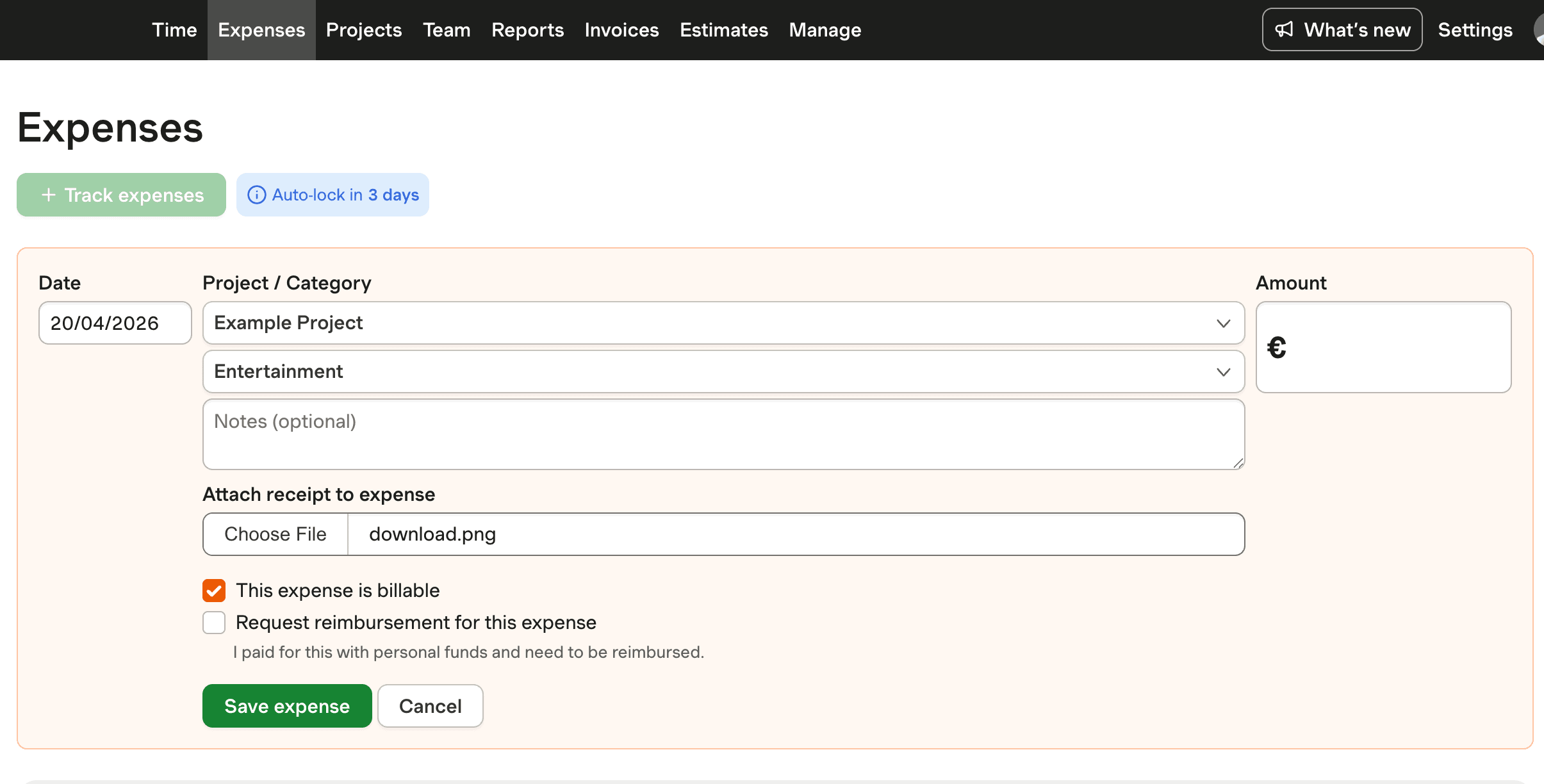
Harvest simplifies the process of tracking common reimbursable expenses with easy receipt uploads and categorization, perfect for small teams seeking efficient reimbursement management.

  • Attach receipts to projects & tasks
  • Turn tracked expenses into client invoices
  • Free 30-day trial, no credit card needed

or drag & drop • Images and PDFs, max 10 MB

Understanding the Importance of Reimbursement Receipts

Reimbursement receipts are essential documents that validate expenses incurred for business purposes, ensuring compliance with internal policies and tax regulations. For a receipt to be valid, it must include five critical pieces of information: date of purchase, vendor details, an itemized list of purchases, the total amount paid, and the payment method used. This documentation is crucial for adhering to IRS guidelines, which demand evidence for expenses over $75 to avoid them being treated as taxable income.

Businesses that fail to maintain proper reimbursement receipts may face denied tax deductions and penalties. For example, missing receipts during an audit can lead to financial penalties and interest charges that stretch back years. Furthermore, the lack of proper receipts can result in reimbursements being classified as taxable wages, adding unexpected tax burdens on both employees and employers.
Streamlining Reimbursement with Automation

Manual processing of reimbursement receipts can be both time-consuming and costly. On average, it costs $58 to process a single manual expense report, and roughly 19% contain errors that require additional time and resources to correct. However, automation can significantly reduce these inefficiencies, cutting processing costs down to $10.3 per report and decreasing errors by 67%.

Harvest offers a solution for businesses aiming to streamline their expense management processes. With Harvest, users can easily upload and categorize receipts for common reimbursable expenses, such as travel, meals, and office supplies. This functionality not only aids in reducing administrative burdens but also enhances real-time visibility into spending, aligning with the 70% of finance teams prioritizing this capability.

Leveraging Digital Receipts for Compliance and Efficiency

The shift towards digital receipts is not just a trend but a necessity for modern businesses aiming to enhance compliance and operational efficiency. The global digital receipts market is projected to grow from $2.1 billion in 2023 to $5.1 billion by 2033, reflecting a compound annual growth rate of 11.5%. This growth highlights the increasing acceptance and benefits of digital documentation, such as reduced paper waste and improved data accuracy.

Harvest supports this digital transformation by allowing users to upload receipt images through both web and mobile platforms. While Harvest does not offer IRS-specific compliance features, its ability to categorize and store digital receipts helps create a comprehensive audit trail, which is crucial for maintaining compliance with business policies and legal standards.

Challenges and Solutions in Reimbursement Receipt Management

Businesses often face challenges in managing reimbursement receipts, including issues with lost or damaged receipts and insufficient information. These problems can lead to delays, errors, and potential fraud. A third of companies still rely on manual systems for expense management, resulting in inefficiencies and high risks of error.

While Harvest's receipt upload feature does not include automated data extraction or validation, it helps mitigate the issue of lost receipts by allowing digital storage. This can be part of a broader strategy to enhance reimbursement processes, incorporating clear policies and possibly integrating with existing financial systems for seamless operations.

Reimbursement Receipt Management with Harvest

See how Harvest streamlines reimbursement receipt management with easy uploads and categorization for travel, meals, and office expenses.

Harvest platform managing reimbursement receipts with ease

Reimbursement Receipt FAQs

  • A reimbursement receipt is a document that substantiates an expense incurred for business purposes. It must include the date, vendor details, an itemized list of purchases, the total amount, and the payment method.

  • A valid reimbursement receipt should contain the date of purchase, vendor details (name, address), an itemized list of items bought, the total amount, and the method of payment.

  • Businesses can manage reimbursement receipts effectively by adopting digital solutions like Harvest, which allows for easy receipt uploads and categorization. This reduces manual processing errors and enhances compliance.

  • The IRS requires documentary evidence for expenses over $75 to be tax-free. Receipts should detail the date, amount, vendor, and nature of the expense.

  • Harvest allows users to upload and categorize receipts for common expenses, such as travel and meals, simplifying the reimbursement process and enhancing visibility into spending.

  • Common reimbursable expenses include travel, meals, and office supplies. Receipts for these expenses must include all required details to be valid for reimbursement.

  • Digital receipt adoption is growing due to its efficiency and compliance benefits. It reduces paper waste, enhances data accuracy, and supports real-time visibility and management.