
Harvest
Expenses
Sign up

Track Uber Mileage

Harvest provides a simple solution for tracking mileage and other expenses manually, helping Uber drivers maximize their tax deductions.

  • Attach receipts to projects & tasks
  • Turn tracked expenses into client invoices
  • Free 30-day trial, no credit card needed

or drag & drop • Images and PDFs, max 10 MB

Understanding Mileage Tracking for Uber Drivers

Mileage tracking is essential for Uber drivers looking to maximize their tax deductions. The IRS allows for a standard mileage rate—72.5 cents per mile for business use in 2026. For full-time Uber drivers, this can translate into an annual deduction of $10,875 to $18,125, depending on the miles driven. This could result in tax savings of $2,719 to $4,531 at a 25% tax rate. However, accurate tracking is crucial to realizing these savings.

Many rideshare drivers mistakenly rely solely on the mileage tracked by Uber's app, which often only covers 'on-trip' miles. This approach can miss other deductible miles, such as driving to pick-up locations or between rides. By using a comprehensive mileage tracking method, drivers can ensure they capture all potential deductible miles and avoid leaving money on the table.
Challenges of Manual Mileage Logging

Manual mileage logging is fraught with challenges, especially for busy Uber drivers. It’s estimated that drivers relying on manual logs may miss over 50% of their deductible drives, potentially losing out on significant tax deductions. For instance, a driver covering 150 miles per day, five days a week, could miss out on $25,920 in deductions, translating to over $5,700 in tax savings if logged correctly.

Moreover, reconstructing past trips from memory can be inaccurate and may not withstand IRS scrutiny. The IRS requires 'adequate records' that include miles driven, date, destination, and business purpose. These must be recorded in a timely manner, ideally weekly. Keeping comprehensive and accurate logs is not only beneficial for tax purposes but also for avoiding penalties during audits.

Using Harvest for Expense and Mileage Tracking

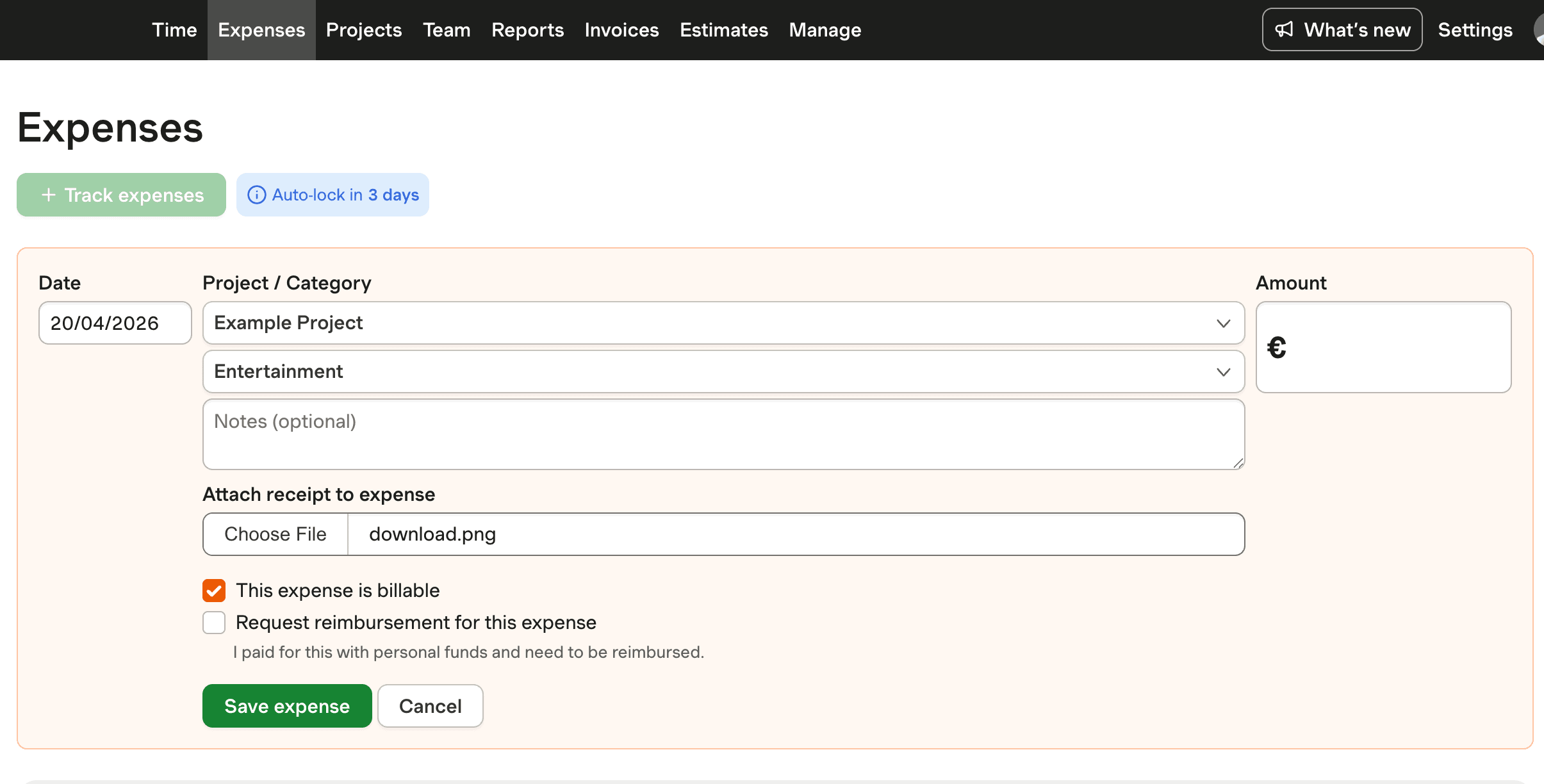
While Harvest does not provide automated mileage tracking, it offers a robust platform for manually tracking expenses and mileage. This is especially valuable for Uber drivers who need to manage various deductible expenses beyond mileage, such as supplies and tolls. Harvest allows users to create and manage custom expense categories, ensuring all potential deductions are captured.

By using Harvest, drivers can enter mileage manually and apply a unit price, aligning with the IRS's requirements for documenting mileage. This can be particularly helpful for organizing and maintaining records, which the IRS requires to be kept for three years. Although Harvest doesn’t offer automated tracking, its manual entry capabilities provide a reliable method for ensuring all expenses are logged and easily accessible for tax preparation.

Maximizing Tax Deductions with Comprehensive Tracking

To maximize tax deductions, Uber drivers should track all business-related miles and other deductible expenses. This includes trips to the first passenger, miles driven between rides, and even the journey home if you're still on the clock. Using a tool like Harvest to manually log these miles can ensure that nothing is overlooked.

In addition to mileage, drivers should also keep records of other deductible expenses such as snacks for passengers, car washes, and vehicle maintenance. Integrating these records with a comprehensive platform like Harvest can streamline the process, providing a clear financial picture and reducing the administrative burden during tax season.

Track Uber Mileage with Harvest

Discover how Harvest helps Uber drivers track mileage and expenses manually for better tax deductions. Simplify your financial records today.

Screenshot of Harvest app showing Uber mileage tracking.

Track Uber Mileage FAQs

  • Uber drivers can track mileage for tax deductions using various methods, including manual logbooks or digital solutions like Harvest. It's crucial to log all business-related miles, not just those tracked by Uber's app, to maximize deductions.

  • Besides mileage, Uber drivers can deduct expenses such as car maintenance, snacks for passengers, tolls, and supplies. Using a tool like Harvest allows drivers to categorize and track these expenses efficiently.

  • Automatic mileage tracking captures all deductible miles, reducing the risk of lost deductions. Many drivers find manual logging cumbersome and often miss capturing significant mileage, leading to reduced tax savings.

  • Harvest allows Uber drivers to manually track mileage by entering the number of miles and a unit price. This method complies with IRS requirements and helps organize records for tax purposes.

  • The IRS requires mileage logs to include the date, destination, miles driven, and business purpose. Logs should be kept in a timely manner and maintained for at least three years from filing the tax return.

  • Uber drivers can choose between the standard mileage rate or actual expense method for deductions. However, once the standard rate is used in the first year, switching to actual expenses is allowed, but not vice-versa.

  • Harvest supports expense tracking by allowing drivers to create custom categories for various deductible expenses. This helps organize and maintain accurate records, simplifying tax preparation.