
Harvest
Expenses
Sign up

Monthly Petty Cash Format

Petty cash fraud constitutes 14.5% of business fraud cases. Harvest offers a streamlined solution to manage expenses and improve financial accuracy.

EXPENSE REPORT DRAFT

Drop your receipts here or click to upload

Images and PDFs (max 10 MB each)

Date
Category
Merchant
Description
Amount
Total
$0.00

Customise report

Appearance

Show report title

Report settings

Understanding the Essentials of Monthly Petty Cash Formats

Managing petty cash effectively is critical for businesses to prevent fraud and maintain financial accuracy. Petty cash fraud accounts for 14.5% of business fraud cases, underscoring the importance of a structured format for tracking these transactions. A proper monthly petty cash format should include fields for the date, amount, purpose, and recipient of each transaction. Additionally, it must be supported by original receipts or vouchers to ensure transparency and compliance.

Traditional petty cash systems often lack the necessary controls, leading to financial discrepancies and compliance issues. For example, a 2021 study revealed that 35% of businesses lack proper petty cash policies, which can result in errors during reconciliation. Implementing a robust petty cash format that adheres to Generally Accepted Accounting Principles (GAAP) is crucial. This involves establishing a fund, assigning a custodian, and ensuring meticulous record-keeping for tax and audit purposes.
Best Practices for Managing Petty Cash

Effective petty cash management relies on clear policies and internal controls. Establishing defined daily and per-transaction limits, typically around $50, can help prevent unauthorized use. Assigning a single custodian to oversee petty cash transactions ensures accountability and reduces the risk of errors or fraud. Moreover, requiring a tax invoice or original receipt for every expense is a key best practice, providing documentation for each transaction.

Regular reconciliation and replenishment are essential components of a well-managed petty cash system. It's recommended to conduct monthly or quarterly reconciliations, comparing cash on hand with receipts and logs. This process not only ensures financial accuracy but also helps in detecting any discrepancies early on. The adoption of digital solutions, such as prepaid corporate cards, further enhances security and efficiency, reducing the administrative burden associated with physical cash handling.

Transitioning to Digital Solutions for Petty Cash Management

The financial management landscape is rapidly evolving, with many businesses moving away from physical petty cash funds towards digital solutions. By 2026, the shift towards hyper-automation and AI-powered applications is expected to dominate. Digital petty cash solutions, such as prepaid corporate cards and expense management software, offer real-time visibility and automated reconciliation, significantly reducing the risk of fraud and improving efficiency.

For example, companies like One Engineering, Procurement, and Construction (EPC) have successfully transitioned to digital card solutions, eliminating manual processes and addressing cash leakages. This transition not only improves compliance with policies but also enhances the overall financial management process. Businesses adopting these digital tools can benefit from faster reporting and reduced administrative overhead, ultimately leading to more streamlined operations.

Handling Discrepancies in Petty Cash Funds

Discrepancies in petty cash funds can pose significant challenges, often resulting from inadequate documentation or lack of internal controls. To effectively handle these discrepancies, businesses should implement a robust accounting information system (AIS) that offers real-time data visibility. This allows for quick identification and resolution of any issues that arise.

Regular audits and surprise checks are also effective strategies to maintain financial integrity. By segregating duties and ensuring that different individuals are responsible for cash disbursement and record-keeping, businesses can minimize the risk of errors and fraud. Additionally, integrating digital solutions can further enhance oversight and compliance, providing a comprehensive approach to managing petty cash discrepancies.

Monthly Petty Cash Format with Harvest

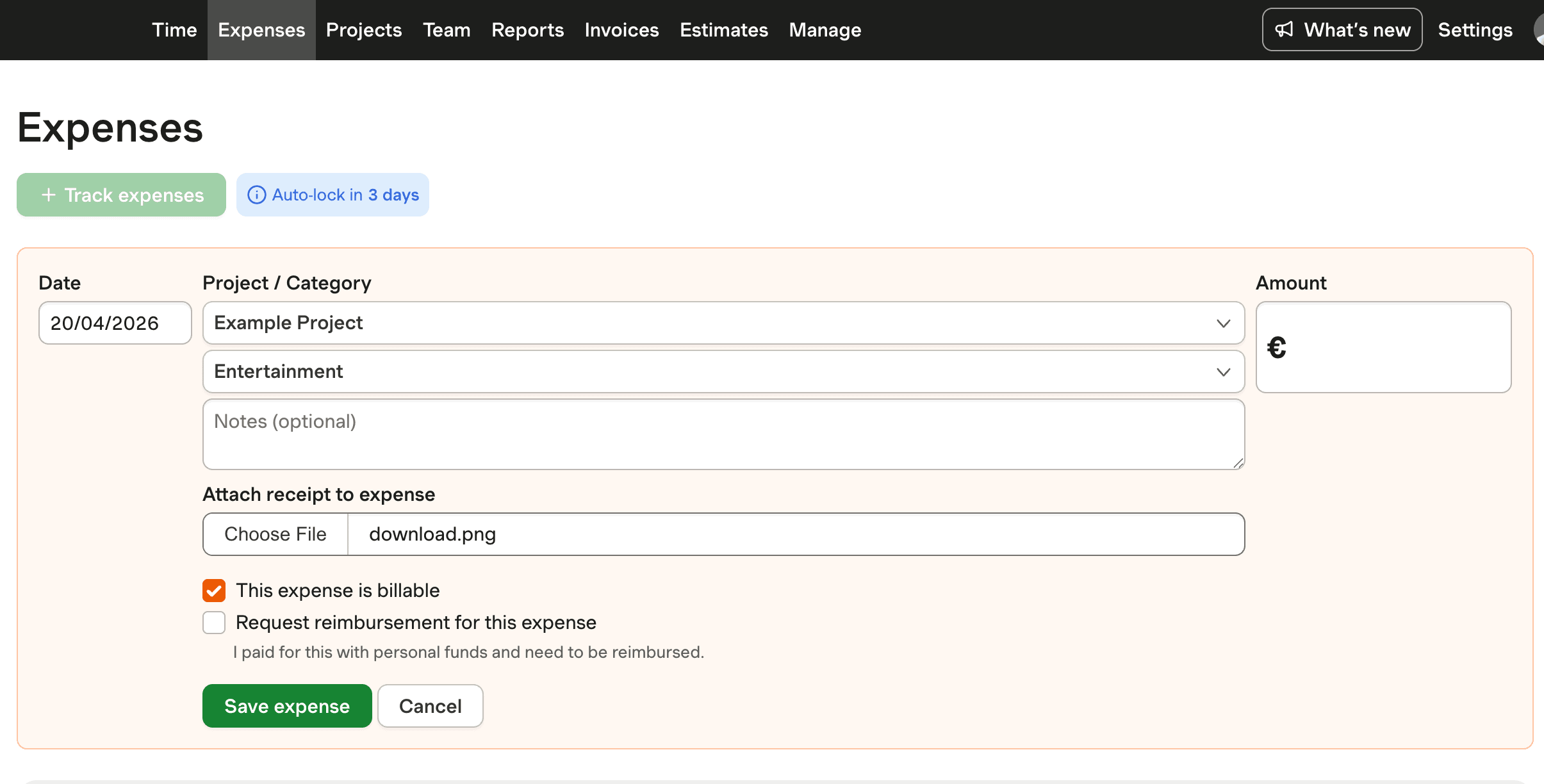
Discover how Harvest can streamline your petty cash management with structured formats, improving accuracy and reducing fraud risk.

Harvest preview showing monthly petty cash management features.

Monthly Petty Cash Format FAQs

  • A monthly petty cash format should include fields for the date, amount, purpose, and recipient of each transaction. Supporting documents like original receipts or vouchers should also be attached to ensure transparency and compliance.

  • To reconcile petty cash, compare the cash on hand with receipts and logs. Regular reconciliations, ideally monthly, help detect discrepancies early and maintain financial accuracy. Digital tools can automate parts of this process for efficiency.

  • Yes, petty cash logs can be maintained in various formats such as spreadsheets, physical logbooks, or integrated into digital platforms. The choice depends on business needs and the level of automation desired.

  • Best practices include setting clear policies, assigning a custodian, requiring documentation for each transaction, and conducting regular reconciliations. Using digital solutions can further enhance oversight and reduce fraud risk.

  • Businesses can prevent petty cash fraud by implementing clear policies, maintaining meticulous records, conducting regular audits, and transitioning to digital solutions that offer real-time monitoring and automated reconciliation.

  • Digital solutions like prepaid corporate cards and expense management software offer real-time visibility, automated reconciliation, and reduce the risk of fraud. They streamline petty cash management and enhance compliance with financial policies.

  • Harvest provides tools that streamline expense management by offering automated tracking, real-time data visibility, and efficient reconciliation processes, which can improve overall financial accuracy and reduce administrative burdens.