
Harvest
Expenses
Sign up

Expense Tracker With Microsoft 365

Harvest provides a project-based expense tracking solution that integrates time and expense management efficiently, without relying on Microsoft 365 tools.

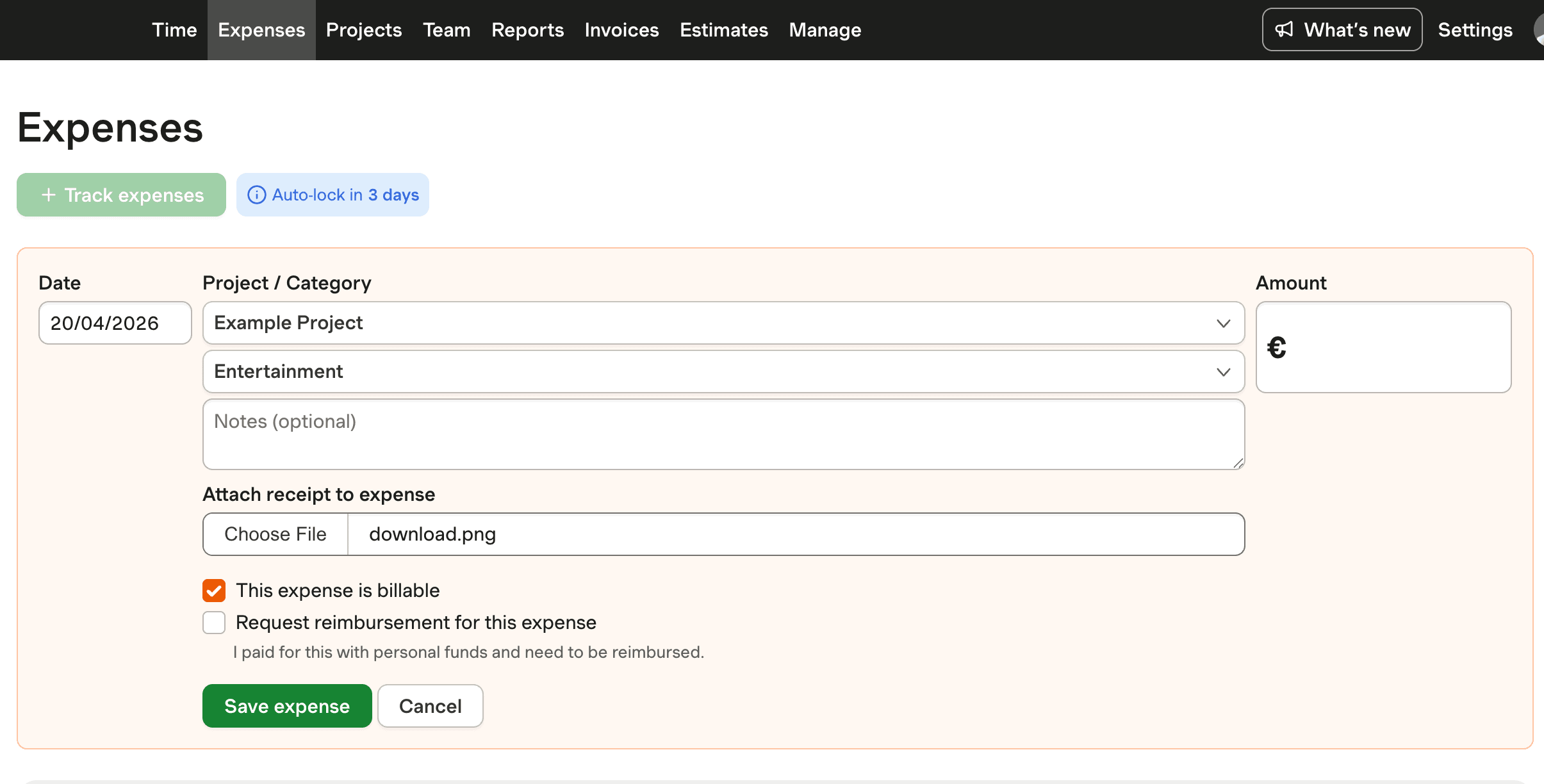
  • Attach receipts to projects & tasks
  • Turn tracked expenses into client invoices
  • Free 30-day trial, no credit card needed

or drag & drop • Images and PDFs, max 10 MB

Understanding the Need for Expense Tracking Integration

Integrating expense tracking with Microsoft 365 can significantly streamline financial management for businesses. The expense management software market is expanding rapidly, projected to grow from $7.70 billion in 2025 to $18.52 billion by 2033. This growth highlights the increasing demand for efficient solutions that can integrate seamlessly with existing tools like Microsoft Excel and Teams. However, manual processes still dominate, with 19% of expense reports containing errors, which can lead to additional processing time and costs. Automation and integration are key to overcoming these challenges, providing real-time visibility and reducing errors by 43%.

While Harvest does not directly integrate with Microsoft 365 tools, it offers a robust alternative for small to medium businesses seeking efficient, project-based expense tracking. By focusing on integrating time and expense management within its own platform, Harvest eliminates the need for manual data entry and provides streamlined reporting, helping businesses maintain financial control and compliance without the reliance on Microsoft 365.
Benefits of Automation in Expense Management

Automating expense management can drastically reduce the time and cost associated with processing expense reports. On average, the cost of processing a single expense report manually is $58, but automation can bring this down to just $10. Companies using automation have also seen a 67% reduction in processing times. This efficiency is crucial for businesses aiming to maintain accurate financial records and ensure timely reimbursements, especially when using cloud-based solutions.

Harvest offers a practical approach to automation by providing features like mobile receipt uploads and project-based categorization, making it easier for teams to submit expenses accurately and on time. Although it doesn't integrate with Microsoft Teams or offer AI-powered scanning, Harvest's simplified project-based approach ensures that manual entry is minimized, and reporting errors are significantly reduced.

The Shift Towards Mobile and Cloud-Based Solutions

Mobile accessibility and cloud-based solutions are becoming increasingly important in expense management. In 2021, 54% of expense report submissions were made via mobile apps, with this figure expected to rise to 75% by 2025. Cloud-based solutions are also on the rise, with 60% of the market expected to be cloud-based by 2026. This trend underscores the need for flexible, accessible expense management tools that allow for real-time updates and data security.

Harvest addresses these needs by offering a mobile app that supports receipt uploads directly, making it easier for users to track expenses on the go. Without relying on Microsoft 365 tools, Harvest provides a secure, cloud-based platform that ensures data is accessible and protected, aligning with modern business needs for mobility and security.

Achieving Financial Control and Compliance

Effective expense management is essential for maintaining financial control and ensuring compliance with industry regulations. Manual processes often lead to errors and delays, with companies spending an average of 330 hours annually processing expense reports. Automated systems can significantly reduce these inefficiencies, providing real-time visibility and reducing manual errors.

Harvest empowers businesses to achieve financial control by integrating time and expense tracking within its own platform. While it doesn't offer direct integration with Microsoft 365, Harvest's project-based approach ensures that expenses are tracked accurately, helping businesses avoid budget overruns and maintain compliance with financial regulations. The platform's straightforward approval process further enhances its usability, making it a reliable choice for small to medium businesses.

Streamline Expenses With Harvest

Discover how Harvest provides efficient project-based expense tracking without Microsoft 365 integration.

Harvest project-based expense tracking overview without Microsoft 365 reliance.

Expense Tracker With Microsoft 365 FAQs

  • Integrating expense tracking with Microsoft 365 can streamline financial management by leveraging tools like Excel and Teams for data analysis and collaboration. This integration facilitates real-time data updates and reduces manual entry errors, enhancing productivity.

  • Automation significantly cuts down the cost of processing expense reports. While manual processing can cost $58 per report, automation reduces it to $10, saving time and resources, and improving accuracy.

  • Mobile accessibility is crucial as it allows employees to submit expenses on the go, increasing efficiency. By 2025, 75% of businesses are expected to use mobile apps for expense submissions, highlighting the trend towards mobile-friendly solutions.

  • Cloud-based solutions offer real-time access to data, ensuring secure and efficient expense management. They eliminate the need for manual data entry and provide robust security, aligning with modern business needs.

  • Harvest does not integrate with Microsoft 365 tools, but it offers robust project-based expense tracking within its own platform, providing efficient time and expense management without needing Microsoft integration.

  • Harvest provides project-based expense tracking with features like mobile receipt uploads and streamlined approval processes, helping businesses manage expenses efficiently without relying on Microsoft 365.

  • Harvest ensures compliance by integrating time and expense tracking within its platform, helping businesses track expenses accurately and maintain financial control, avoiding budget overruns and ensuring regulatory compliance.