
Harvest
Expenses
Sign up

Projected Expense Report Template

Harnessing Harvest's capabilities in tracking expenses against project budgets simplifies financial planning for project-based businesses.

EXPENSE REPORT DRAFT

Drop your receipts here or click to upload

Images and PDFs (max 10 MB each)

Date
Category
Merchant
Description
Amount
Total
$0.00

Customise report

Appearance

Show report title

Report settings

Understanding Projected Expense Reports

Projected expense reports are essential tools for businesses aiming to plan their budgets effectively. These reports help organizations anticipate future expenses, allocate resources efficiently, and make informed financial decisions. A well-structured projected expense report typically includes both fixed and variable costs, historical spending data, and industry benchmarks to ensure competitiveness. For instance, differentiating between fixed costs like rent and salaries, and variable costs such as raw materials and commissions, plays a critical role in accurate forecasting.

By integrating these elements, businesses can create forecasts that consider various scenarios, allowing for flexibility and adaptability in financial planning. Regular updates to these projections, usually on a monthly or quarterly basis, ensure that they reflect current financial trends and data. This proactive approach enables businesses to swiftly adjust to market changes, preventing potential financial setbacks.
Challenges in Creating Accurate Expense Projections

Creating accurate projected expense reports can be challenging due to several factors, including the reliance on manual processes and fragmented financial data. Research indicates that manual processes result in 19% of expense reports containing errors, with corrections costing $52 per error. This inefficiency often stems from the use of spreadsheets and the lack of integrated systems that provide real-time visibility into spending.

To overcome these challenges, many organizations are turning to automated solutions that integrate with existing business systems, such as Enterprise Resource Planning (ERP) and accounting software. These platforms offer real-time dashboards, which enhance visibility and allow for more precise budget alignment. Harvest, for example, excels in tracking expenses against project budgets, making it an ideal choice for project-based businesses seeking streamlined expense management.

How Harvest Simplifies Project Expense Tracking

Harvest provides a straightforward solution for tracking expenses against project budgets, particularly benefiting industries like construction and consulting. By including expenses in the total project fees, Harvest enables businesses to manage costs effectively and prevent budget overruns. This feature is crucial for maintaining project profitability and ensuring that all billable expenses are accurately captured.

With Harvest, users can track expenses by project and category, offering a clear overview of where resources are being allocated. This level of detail supports better decision-making and helps businesses adhere to their financial plans. Although Harvest does not offer cash flow forecasting or detailed phase budgeting, its ability to integrate expense tracking with project management tools ensures that businesses can manage and monitor project costs in real-time.

Best Practices for Using Projected Expense Report Templates

Utilizing projected expense report templates effectively requires adopting best practices that enhance accuracy and efficiency. Firstly, leverage historical data to identify spending patterns and forecast future costs. This involves analyzing past expenditures, considering seasonal fluctuations, and accounting for one-time expenses that could skew projections.

Secondly, collaborate with stakeholders across various departments to gather comprehensive input on anticipated costs. This inclusive approach helps ensure that all potential expenses are accounted for, avoiding unforeseen financial surprises. Lastly, regularly update forecasts to reflect current financial trends, which is essential for maintaining budgetary control and adapting to market dynamics.

By following these practices and using tools like Harvest for expense tracking, businesses can optimize their financial planning and improve overall budgeting accuracy.

Projected Expense Report Template with Harvest

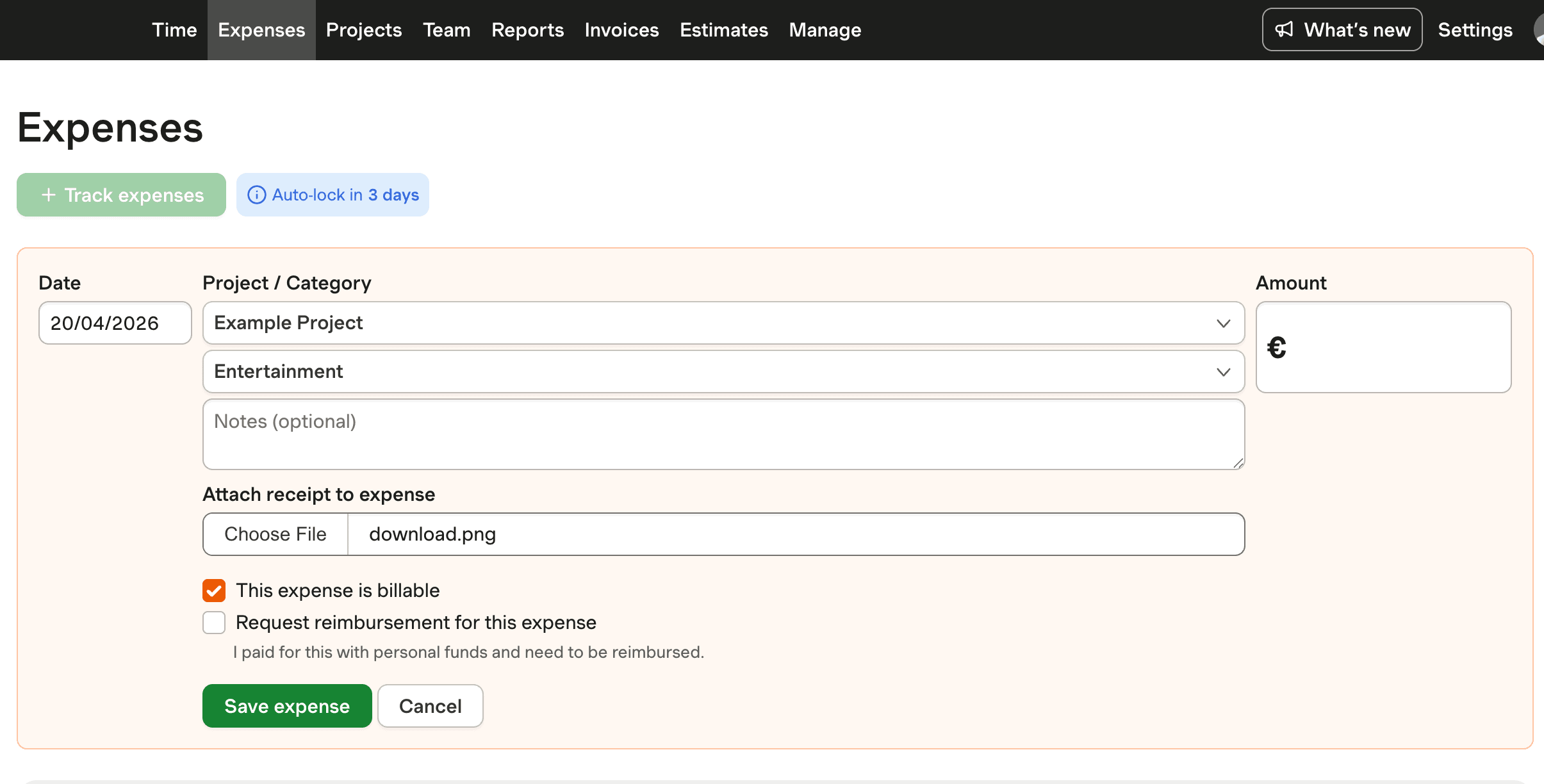
Harvest shows how expenses can be tracked against project budgets, aiding in precise financial planning and budgeting.

Harvest dashboard showing expense tracking against project budgets.

Projected Expense Report Template FAQs

  • A projected expense report is a financial document that estimates future expenses for budgeting purposes. It helps businesses plan resource allocation and anticipate financial needs.

  • Start by identifying fixed and variable costs, analyzing historical spending data, and consulting with stakeholders to gather input. Use templates to structure and regularly update your forecasts.

  • Include fixed costs (e.g., rent, salaries), variable costs (e.g., materials, commissions), historical data, and industry benchmarks. Regular updates ensure accuracy and adaptability.

  • Harvest tracks expenses against project budgets, making it easier for businesses to manage costs and prevent budget overruns. It supports detailed expense categorization by project.

  • Automated systems reduce error rates by 20% and processing costs by up to 78%. They provide real-time data, improve efficiency, and enhance visibility into financial spending.

  • Industries like construction, healthcare, and consulting benefit significantly, as precise forecasting helps prevent budget overruns and ensures compliance with financial regulations.

  • Yes, Harvest can integrate expense tracking with project management tools, enhancing real-time visibility and supporting effective project budgeting and monitoring.

  • Manual reporting is prone to errors, with 19% of reports containing mistakes. Automating the process saves time, reduces costs, and minimizes inaccuracies.