
Harvest
Expenses
Sign up

Itemized Expense Report Template

Harvest simplifies project-specific expense tracking and invoicing, ideal for small businesses and freelancers needing detailed financial oversight.

EXPENSE REPORT DRAFT

Drop your receipts here or click to upload

Images and PDFs (max 10 MB each)

Date
Category
Merchant
Description
Amount
Total
$0.00

Customise report

Appearance

Show report title

Report settings

Why Use an Itemized Expense Report Template?

An itemized expense report template is essential for accurate financial management, whether for personal budgeting or business auditing. It provides a structured format to record all expenses, ensuring nothing is overlooked. According to recent trends, 90% of businesses are moving towards digital processes to eliminate paper-based systems by 2025. This shift not only reduces administrative overhead but also minimizes environmental impact. Moreover, manual expense reporting, which can take up to 20 minutes per report, is a significant productivity drain. For companies with 100 employees submitting 10 reports monthly, this equates to 400 hours per year.

By adopting a comprehensive itemized expense report template, businesses can save over 70% in productivity, drastically cutting down on the time spent managing expenses. This efficiency is enhanced when templates are integrated with digital tools, allowing for real-time visibility and control over expenditures. With digital solutions, companies can detect suspicious activities early and adjust spending promptly, showcasing the importance of moving towards digital expense management.
Key Features of Effective Expense Templates

Effective itemized expense report templates should include specific features that cater to detailed tracking and compliance. Key elements include fields for the date, vendor name, business purpose, and payment method, fulfilling IRS requirements for documentation. For expenses over $75, itemized receipts are necessary, and for lodging, the full hotel folio must be provided. Such comprehensive templates help prevent errors and ensure compliance with legal requirements.

Moreover, customizable fields for different expense types, such as mileage and supplies, are critical. Harvest excels in this area by allowing users to create custom categories with unit prices, ensuring that every business need is met. The system's ability to track project-specific expenses, including labor and material costs, further enhances its utility for contractors and businesses managing multiple projects.

Customizing Your Expense Report Template with Harvest

Customizing an expense report template is crucial to reflect specific business needs. Harvest provides a flexible platform where users can tailor fields to match their unique requirements. This customization is vital for accurately tracking project-specific expenses—such as those for labor and material costs—ensuring precise financial oversight.

Harvest also supports detailed breakdowns for travel expenses, allowing businesses to categorize costs into lodging, meals, and other travel-related expenses. This level of detail is invaluable for businesses that need to allocate costs accurately and maintain transparency in their financial reporting. By utilizing Harvest’s customizable features, businesses can streamline their expense management and enhance their financial tracking capabilities.

Tips for Accurate Expense Reporting

Accurate expense reporting is pivotal for maintaining financial integrity and ensuring compliance with tax regulations. Begin by establishing formal expense policies that define allowable expenses, spending limits, and required documentation. Employees should be encouraged to keep itemized receipts and record the business purpose for each expense. This practice is crucial for avoiding errors and ensuring that all expenses are justified and documented properly.

Leveraging technology such as Harvest’s expense management tools can automate many aspects of this process. Harvest allows the upload of digital receipts, automated data entry, and categorization, significantly reducing the likelihood of errors. Integration with accounting systems further ensures data consistency, allowing for seamless financial management and real-time visibility into expenses. By following these tips, businesses can avoid common mistakes and streamline their expense reporting processes.

Discover Harvest's Templates

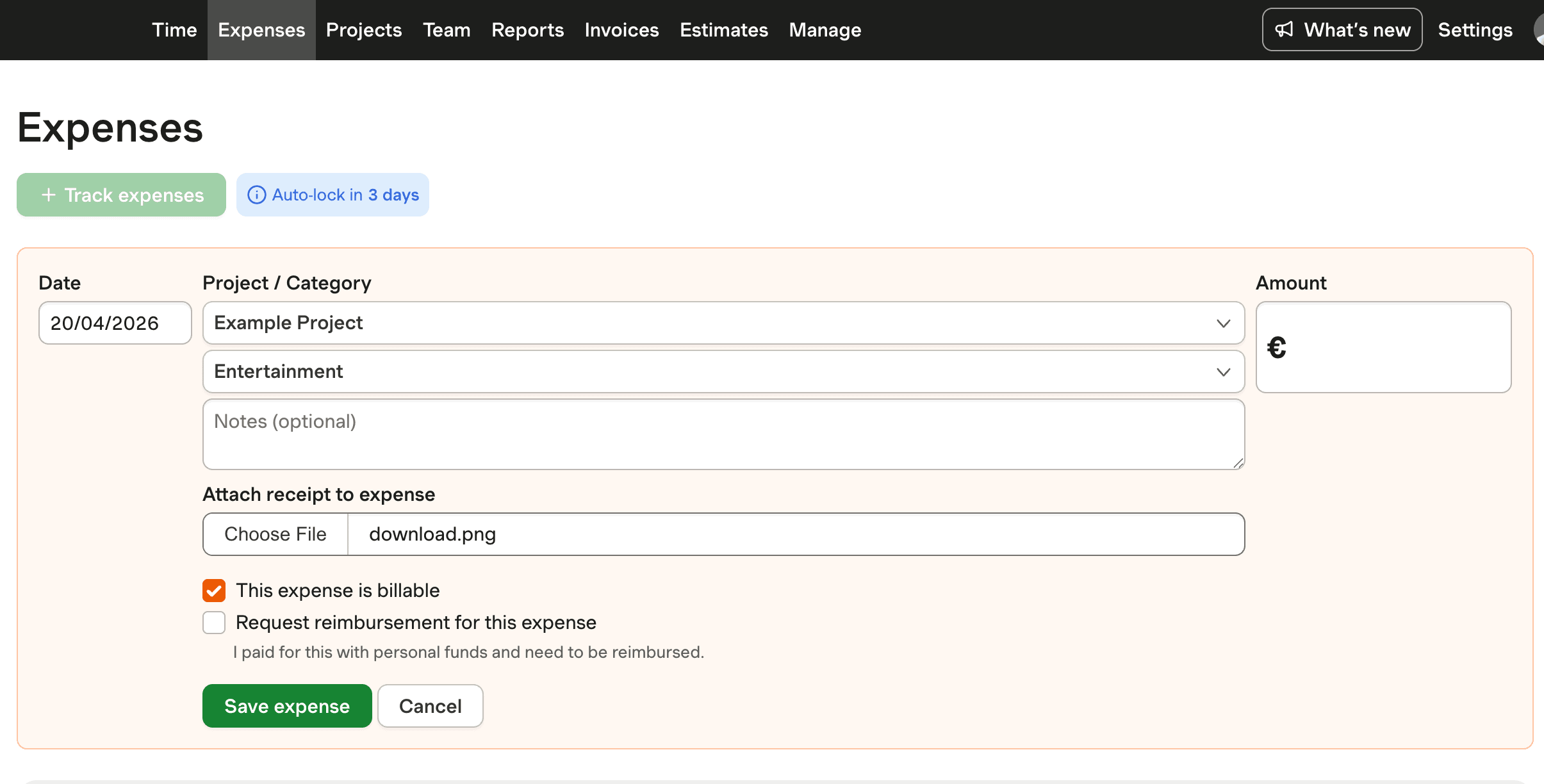
Harvest offers customizable itemized expense report templates, perfect for tracking and managing business expenses efficiently.

Harvest interface showing itemized expense report template setup

Itemized Expense Report Template FAQs

  • An itemized expense report template should include fields for date, vendor name, business purpose, and payment method. For expenses over $75, you must attach itemized receipts. This ensures compliance with IRS regulations and accurate financial tracking.

  • To customize an expense report template, identify the specific fields your business needs. Harvest allows for customizable fields, enabling you to track expenses by project, category, and include custom fields like mileage and supplies.

  • Digital expense report templates reduce administrative overhead, eliminate paper, and enhance real-time visibility into expenses. According to research, 90% of businesses will eliminate paper processes by 2025, highlighting the shift to digital solutions.

  • Harvest supports project-specific expense tracking by allowing users to categorize expenses by project and type, such as labor and materials. This ensures accurate tracking and reporting for each project.

  • Harvest offers a flexible platform for tracking detailed expenses, customizable fields, and project-specific tracking. These features enhance accuracy and efficiency in expense management, making it a valuable tool for businesses and freelancers.

  • Technology like Harvest automates many aspects of expense reporting, reducing manual data entry errors. Features such as digital receipt uploads and automated categorization enhance accuracy and streamline the process.

  • Common mistakes in expense reporting include losing receipts, mixing personal and business expenses, and incorrect categorization. Using separate payment methods and keeping detailed records can help avoid these errors.