
Harvest
Expenses
Sign up

Receipt Scanner in Thai

Harvest offers a simple, manual entry method for expense tracking, ideal for businesses needing straightforward project-based solutions without complex OCR processes.

  • Attach receipts to projects & tasks
  • Turn tracked expenses into client invoices
  • Free 30-day trial, no credit card needed

or drag & drop • Images and PDFs, max 10 MB

The Rise of Digital Receipt Solutions in Thailand

Thailand is rapidly embracing digital receipt solutions, driven by the "Thailand 4.0" policy that aims to transform the nation into a digital economy. This initiative has encouraged the adoption of electronic tax invoices and receipts, significantly boosting sales for businesses involved. For instance, the Mall Group reported a 30% increase in sales, while Shopee saw a 60% rise during the "Easy E-Receipt 2.0" project. Despite these advancements, over 90% of invoices in Thailand are still exchanged on paper, highlighting a significant opportunity for digital transformation in financial operations.

Businesses that transition to digital receipt solutions can achieve substantial cost savings. Implementing automated workflows in expense management, such as receipt scanning, can reduce reimbursement processing time by 40% and lower processing costs by up to 40%. These efficiencies not only improve operational efficiency but also align with Thailand's broader digitalization goals.
Challenges and Opportunities in Thai Receipt Scanning

While the potential benefits of receipt scanning are clear, businesses in Thailand face challenges in fully realizing these advantages. Manual data entry and fragmented tracking often lead to lost receipts and incorrect reimbursements, undermining fiscal transparency. For example, manual expense reporting can result in a 10-20% loss in operational efficiency. Companies like Thai Takenaka have addressed these issues by adopting digital invoicing platforms, significantly reducing manual processing time and enhancing corporate governance.

Automated tracking systems enable real-time monitoring and integration with financial systems, minimizing errors and increasing accountability. By implementing these systems, organizations have reported a 90% reduction in manual tasks and a decrease in reimbursement time from two weeks to just five days, showcasing the transformative impact of digital receipt solutions.

Harvest's Role in Simplifying Expense Tracking

While Harvest does not offer OCR-based receipt scanning for Thai receipts, it provides a straightforward solution for tracking expenses through manual entry. This method is particularly beneficial for businesses seeking a simple, project-based expense tracking system. By allowing users to upload receipt images and manually enter details, Harvest ensures accuracy in financial records without the complexities of automated extraction.

Harvest's integration with popular accounting systems like QuickBooks Online and Xero further streamlines the invoicing process, enabling businesses to maintain clear and organized financial data. Although it doesn't support local Thai accounting systems, Harvest's project-based approach offers a reliable alternative for managing expenses effectively in a dynamic business environment.

Legal and Compliance Considerations for Thai E-Receipts

The implementation of e-receipts in Thailand is governed by strict regulations to ensure compliance and data integrity. Businesses must register with the Thai Revenue Department and adhere to the Electronic Transactions Act B.E. 2544 (2001), among other regulations. These include maintaining electronic records for a minimum of five years and ensuring that e-receipts contain a digital signature for verification.

Compliance with Thailand's Personal Data Protection Act (PDPA) is also crucial, as e-receipts often contain sensitive personal information. By adhering to these legal requirements, businesses can not only enhance their operational transparency but also align with the country's push towards a fully integrated digital tax ecosystem by 2028.

Harvest Simplifies Thai Receipt Tracking

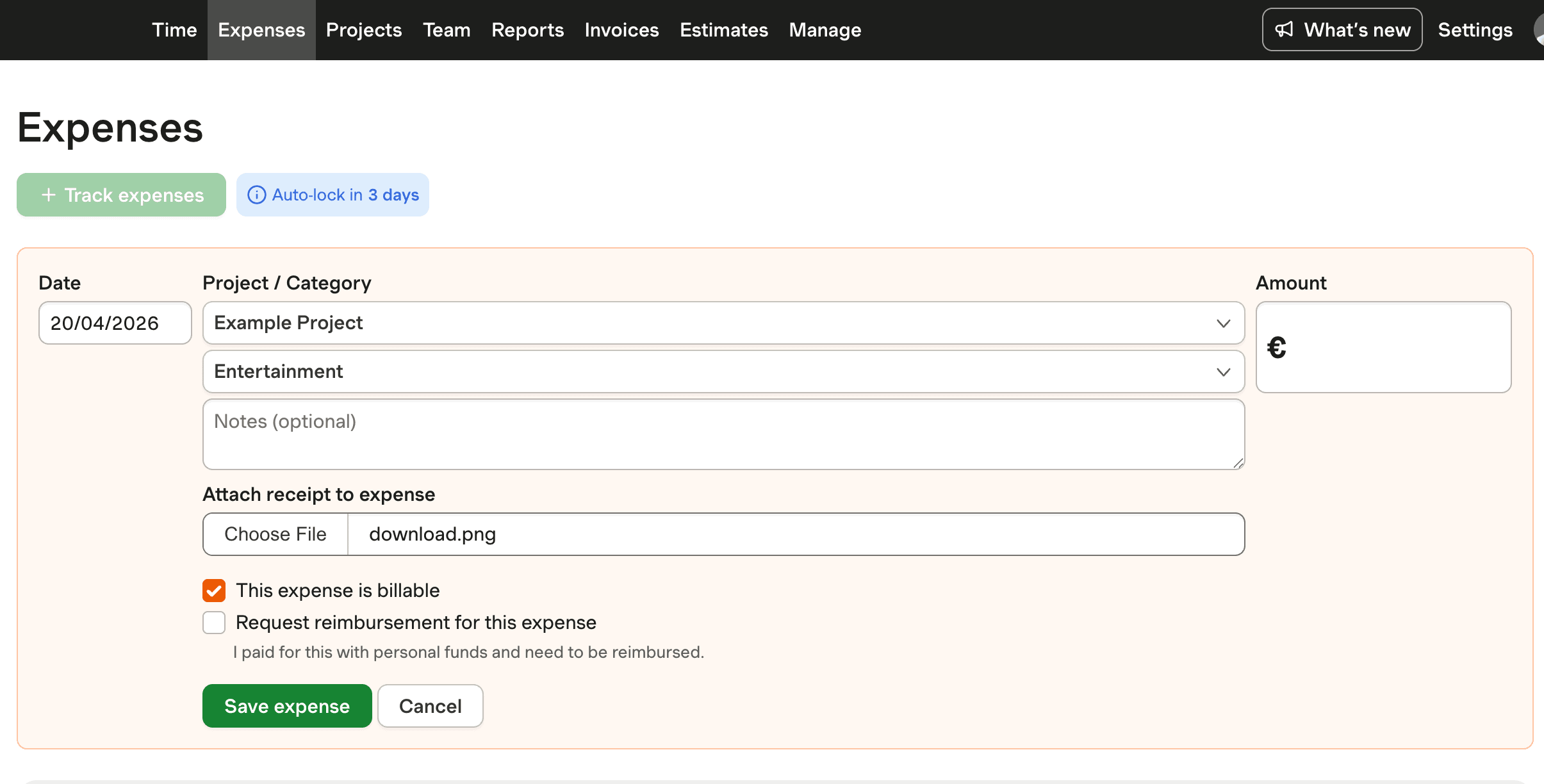
Harvest enables manual entry of Thai receipts, offering a straightforward solution for project-based expense management.

Harvest interface showing manual expense entry for Thai receipts.

Receipt Scanner in Thai FAQs

  • Thailand's "Thailand 4.0" policy is driving the shift towards digital economies, including the adoption of e-receipts. This policy supports initiatives like the "Easy E-Receipt 2.0" project, which boosts sales and encourages businesses to transition to digital solutions, offering significant cost savings and efficiency improvements.

  • Automated receipt tracking systems offer real-time monitoring and seamless integration with financial systems, reducing errors and manual tasks by up to 90%. They decrease reimbursement times and enhance accountability, supporting efficient financial operations.

  • In Thailand, e-receipts must comply with regulations set by the Thai Revenue Department, including maintaining records for at least five years and ensuring digital signatures for verification. These measures ensure data integrity and compliance with the Personal Data Protection Act (PDPA).

  • Harvest provides a manual entry method for tracking expenses, allowing users to upload receipt images and enter details. This approach suits businesses that need a straightforward, project-based tracking system without automated extraction features.

  • Manual data entry can lead to inefficiencies, with potential losses of 10-20% in operational efficiency. However, systems like Harvest mitigate these issues by simplifying the process of entering expense details, ensuring accurate financial records.

  • Businesses that continue to rely on paper invoices may miss out on cost savings and efficiency improvements offered by digital tools. With over 90% of invoices still exchanged on paper, there's a significant opportunity for digital adoption to enhance financial operations.

  • Harvest integrates with global platforms like QuickBooks Online and Xero but does not support local Thai accounting systems. It offers a reliable alternative for managing expenses in a project-based format, though integration with local systems is limited.