
Harvest
Expenses
Sign up

Receipt Tracker for Contractors

Harvest helps contractors track receipts and manage expenses efficiently across job sites, offering digital storage and integration with accounting software.

  • Attach receipts to projects & tasks
  • Turn tracked expenses into client invoices
  • Free 30-day trial, no credit card needed

or drag & drop • Images and PDFs, max 10 MB

Why Receipt Tracking Matters for Contractors

Receipt tracking is essential for contractors, impacting tax compliance, project profitability, and financial management. Traditional paper-based systems often lead to inefficiencies, such as lost receipts and manual data entry errors. Statistics reveal that automating expense tracking can save up to 97% of the time previously spent on manual processes, leading to significant productivity gains.

In the construction industry, where expenses are incurred frequently and often in the field, effective receipt management becomes crucial. Contractors who track their expenses accurately gain better control over costs, allowing for more precise pricing and a clearer view of project performance. This proactive approach not only ensures compliance with tax regulations but also enhances project profitability by identifying and correcting overspending areas promptly.
Digital Solutions Revolutionizing Expense Management

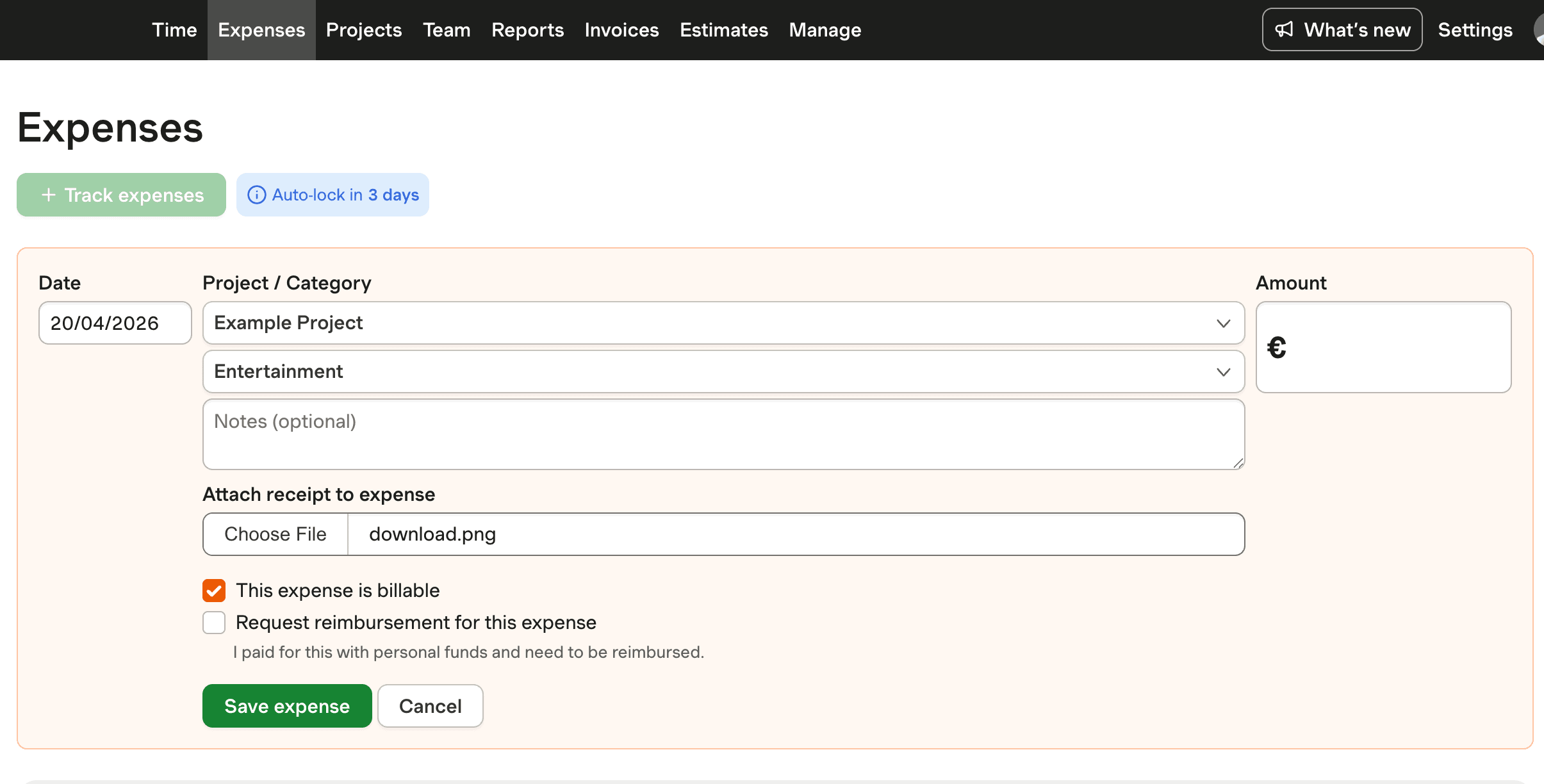
The shift from traditional to digital receipt tracking has revolutionized expense management for contractors. Digital tools provide real-time visibility into spending and help identify cost-saving opportunities. For instance, Harvest offers digital storage for receipts, allowing contractors to attach them to expense reports and invoices, effectively reducing the risk of loss across multiple job sites.

Additionally, these tools often integrate with accounting software, such as QuickBooks Online and Xero, streamlining workflows and facilitating faster reimbursements. This seamless integration ensures that financial data remains current, aiding in tax compliance and financial clarity. By linking expenses to specific projects, Harvest enables real-time expense reporting, helping contractors monitor project costs accurately and make informed financial decisions.

Combatting Field-Based Expense Challenges

Managing receipts and expenses in the field presents unique challenges for contractors, especially those in home services like plumbing and HVAC. Field employees typically struggle with timely submission of receipts, leading to delays and potential bottlenecks in financial reporting. Digital receipt tracking solutions are changing this landscape, offering mobile apps that allow instant capture and upload of receipts from job sites.

While Harvest doesn't offer immediate receipt capture, it supports contractors by allowing them to attach receipts to invoices and expense reports. This feature ensures that all expenses are accounted for and linked to the appropriate projects, enhancing accuracy in financial reporting. By adopting such digital solutions, contractors can significantly reduce manual errors and improve the efficiency of their expense management processes.

Best Practices for Effective Receipt Management

Effective receipt management involves several best practices to ensure financial clarity and compliance. A step-by-step framework includes capturing receipts within 24 hours, organizing them by tax category, storing them digitally with automatic backups, and conducting regular reviews. This approach not only simplifies tax preparation but also prevents missed deductions, which can otherwise impact contractor profitability.

Harvest assists with this process by providing a platform for digital receipt storage and integration with accounting software. Separating personal and business finances, maintaining digital backups, and ensuring real-time expense tracking are critical practices for contractors. Using tools that facilitate these processes helps streamline financial management, reduce stress, and optimize project profitability.

Integrating Expense Tracking with Project Management

For contractors, integrating expense tracking with project management is vital for maintaining control over project budgets and enhancing profitability. By linking expenses directly to specific projects, contractors can monitor budget usage and make informed decisions about resource allocation. Harvest enables this integration, allowing contractors to include expenses in invoices and track costs in real-time.

This capability supports better decision-making and financial planning, as contractors gain insights into spending trends and project performance. By using tools that integrate expense management with project tracking, contractors can streamline workflows, reduce manual data entry, and focus on delivering successful projects within budget and on time.

Receipt Tracking with Harvest

Explore how Harvest helps contractors manage receipts with digital storage and seamless integration with accounting tools.

Screenshot of Harvest's receipt tracking feature for contractors.

Receipt Tracker for Contractors FAQs

  • Receipt tracking is crucial for contractors to ensure tax compliance and maintain project profitability. Without accurate tracking, contractors risk missing deductions and facing tax penalties. Automated systems offer real-time visibility and control over expenses, improving financial management.

  • Digital tools streamline receipt tracking by providing real-time capture, categorization, and integration with accounting software. This reduces manual entry errors and saves significant time, allowing contractors to focus on core business activities.

  • Contractors should seek features like digital storage, real-time expense reporting, and integration with accounting software. These features enhance financial visibility and ensure compliance with tax regulations.

  • Yes, Harvest integrates with QuickBooks Online and Xero, streamlining accounting workflows and facilitating faster reimbursement. This integration helps contractors maintain up-to-date financial records.

  • Harvest supports contractors by providing digital storage for receipts and enabling real-time expense reporting linked to specific projects. This helps maintain accurate financial records and enhances project profitability.

  • Yes, digital receipts are acceptable for tax purposes as long as they are clear, organized, and easily retrievable. This aligns with IRS, HMRC, and ATO requirements, ensuring compliance and simplifying tax filing.

  • Common mistakes include procrastinating receipt capture, poor categorization, neglecting small expenses, and mixing personal with business finances. Using digital tools can help avoid these errors and improve overall financial management.