
Harvest
Expenses
Sign up

Fleet Mileage Tracker

Harvest provides a simple manual mileage tracking system, ideal for small teams managing project-related travel expenses without the need for complex telematics.

  • Attach receipts to projects & tasks
  • Turn tracked expenses into client invoices
  • Free 30-day trial, no credit card needed

or drag & drop • Images and PDFs, max 10 MB

Understanding the Need for Fleet Mileage Tracking

Fleet mileage tracking is essential for managing vehicle fleets, helping organizations save costs, enhance productivity, and ensure legal compliance. With advancements in technology, these systems have evolved from simple manual logs to sophisticated digital solutions capable of real-time data collection. However, only 15-20% of passenger vehicle fleets in developed markets use such systems, often due to a perceived lack of return on investment for low-mileage vehicles.

For businesses, the value lies in precise recording to avoid overreported claims, which can inflate expenses by up to 29%. By accurately tracking mileage, companies can avoid unnecessary costs and streamline expense reporting, ensuring compliance with tax authorities like the IRS, which requires detailed mileage documentation for deductions.
Manual Mileage Tracking with Harvest

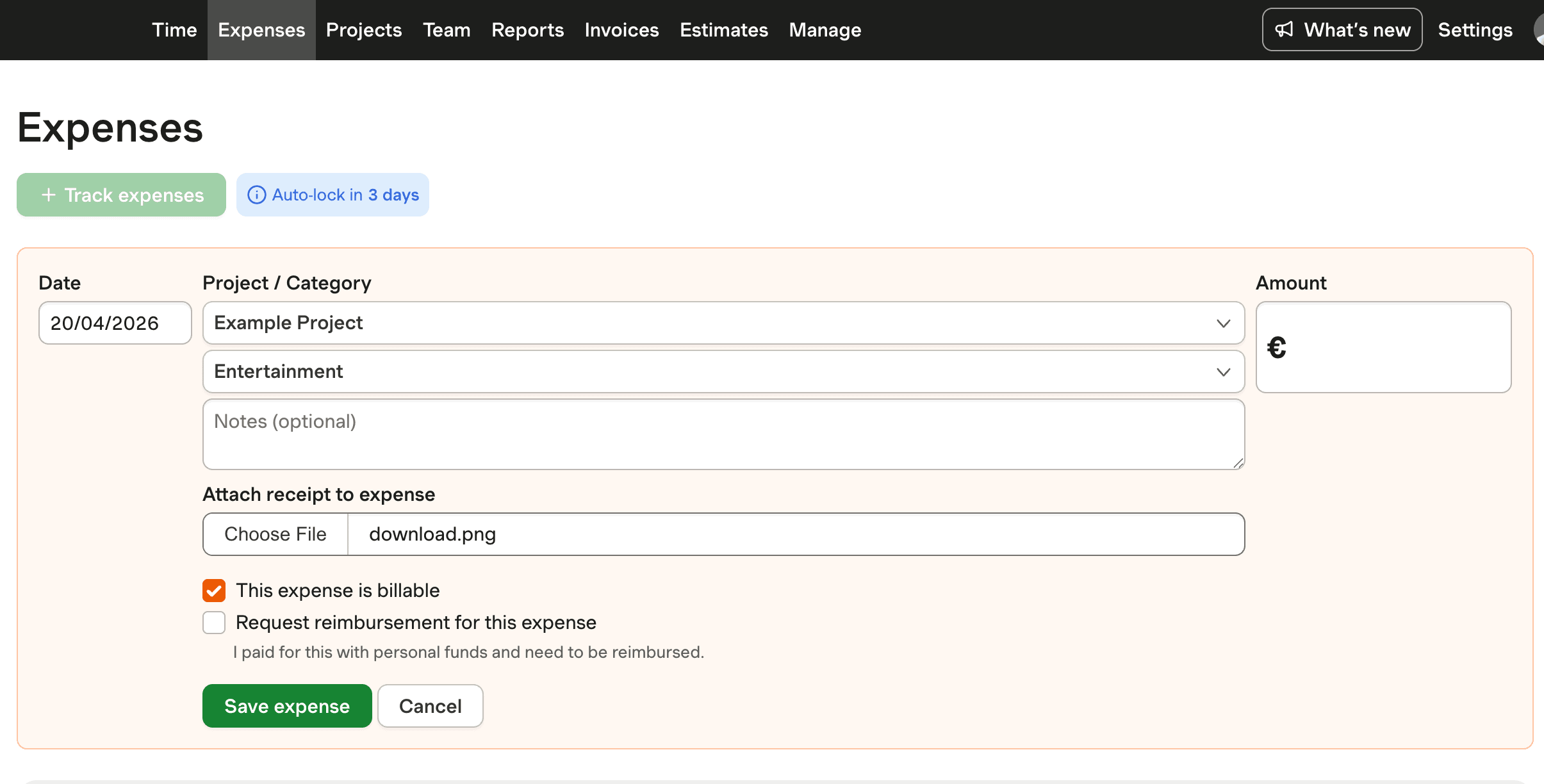
While many tools promise real-time tracking and automation, Harvest offers a straightforward solution for those who need to manually track mileage. Especially suited for small teams, Harvest allows users to log project-related travel expenses efficiently. This simplicity can be particularly beneficial for businesses that require a focus on project-based expense tracking rather than extensive fleet management.

Harvest users can manually enter mileage data for each trip, ensuring that every mile is accounted for in project expenses. This approach helps small teams maintain transparency and accuracy in their expense reports. Despite lacking real-time tracking or GPS integration, Harvest provides a reliable framework for teams to manage and report travel-related expenses effectively.

Legal Compliance and Tax Benefits of Mileage Tracking

Complying with legal and tax regulations is a significant motivation for using fleet mileage trackers. In the United States, the IRS mandates detailed mileage logs for tax deductions. Businesses must record total annual mileage, business mileage, and the purpose of each trip. Accurate record-keeping is crucial, as IRS audits require documentation to be retained for three years.

Internationally, similar regulations exist, such as the HMRC in the UK, which requires businesses to maintain clear mileage records to differentiate between personal and business travel. Non-compliance can lead to penalties, emphasizing the importance of precise tracking. For businesses using Harvest, manually tracking mileage can ensure compliance by providing accurate, audit-ready records essential for tax deductions.

Practical Implementation of Mileage Tracking

Implementing a mileage tracking system involves several strategic steps. Initially, businesses should set up their fleet within the tracking system and ensure drivers are familiar with logging procedures. Regular updates are crucial to maintain accurate records and avoid issues during audits.

Additionally, integrating mileage data with other business processes can enhance operational efficiency. For example, linking mileage tracking with maintenance scheduling can prevent breakdowns and reduce repair costs. Although Harvest does not support automated alerts or GPS integration, its manual tracking capabilities can still be effectively paired with other systems for comprehensive fleet management.

Track Fleet Mileage with Harvest

See how Harvest helps small teams track mileage manually, ensuring accurate project expense management.

Harvest interface for manual mileage tracking

Fleet Mileage Tracker FAQs

  • A fleet mileage tracker is a tool used to record and manage the miles traveled by vehicles within a fleet. This helps businesses optimize routes, reduce fuel costs, and ensure compliance with tax regulations.

  • Manual mileage tracking can be done by recording the odometer readings at the start and end of each trip. This data is then logged into a system like Harvest to maintain accurate and organized records.

  • Yes, using a mileage tracker can provide significant tax benefits. The IRS requires detailed mileage logs for claiming deductions on vehicle expenses, and accurate tracking helps ensure compliance and maximize deductions.

  • Harvest offers manual mileage tracking, allowing small teams to log travel-related expenses for projects. This helps in maintaining accurate records for expense reporting and compliance.

  • Key features to consider include ease of use, the ability to log detailed mileage records, integration with other business systems, and compliance with tax regulations. Harvest offers a manual, straightforward solution for small teams.

  • Yes, tracking mileage can significantly improve fleet efficiency by optimizing routes, reducing fuel costs, and identifying areas for operational improvement. While Harvest focuses on manual tracking, this data can be used to inform efficiency strategies.

  • Harvest is best suited for small teams that need to manually track mileage for project-related expenses. It does not offer real-time tracking or GPS integration, making it less ideal for large fleets requiring these features.

  • Manual tracking ensures that every mile is accurately logged, reducing the risk of overreporting, which can inflate expenses by up to 29%. This accuracy helps prevent unnecessary costs and penalties.