
Harvest
Expenses
Sign up

Reconciling Expense Reports

Businesses often face high costs and errors in manual expense reconciliation. Harvest simplifies expense tracking for small-to-medium businesses, enhancing efficiency.

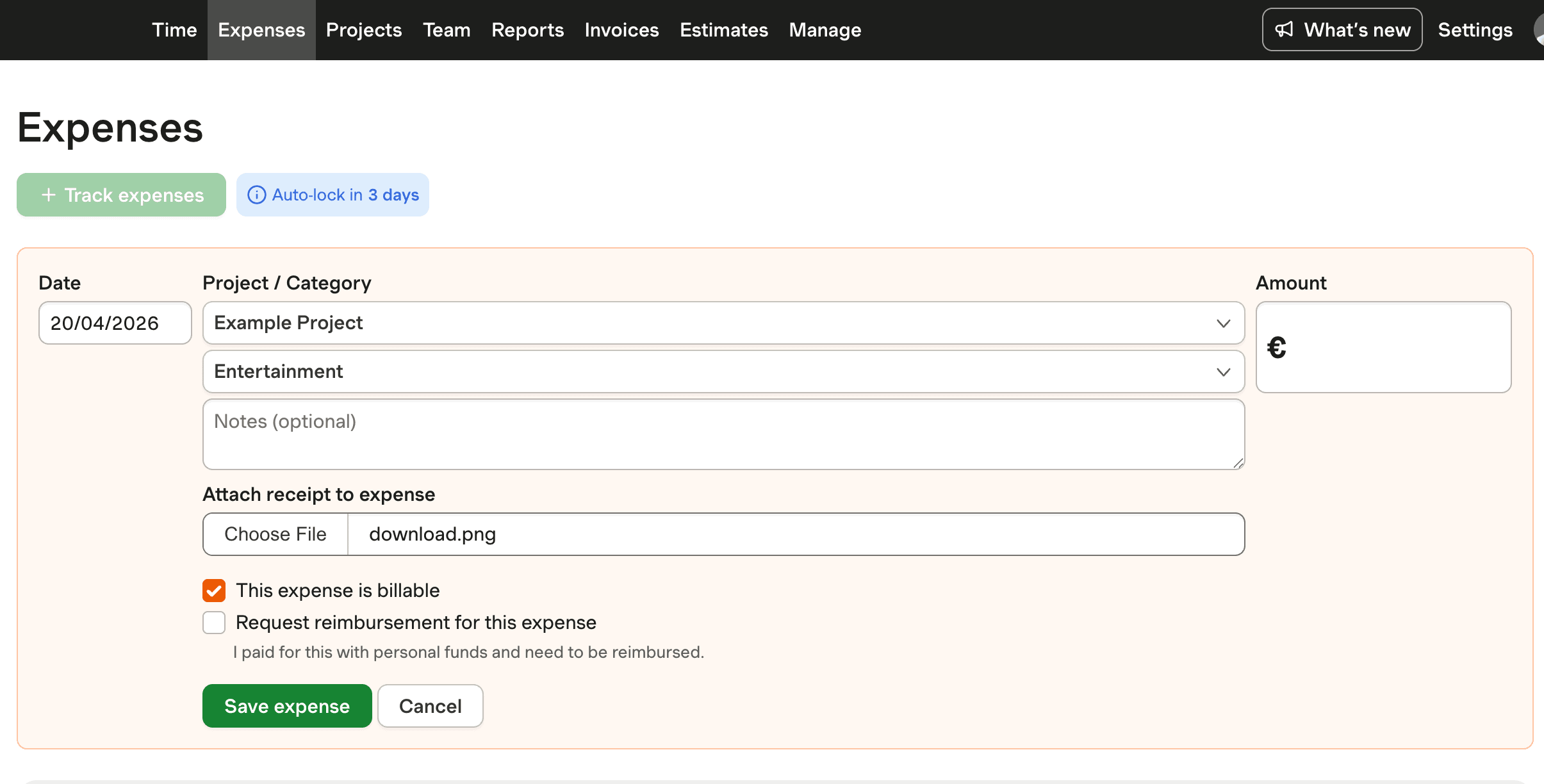
  • Attach receipts to projects & tasks
  • Turn tracked expenses into client invoices
  • Free 30-day trial, no credit card needed

or drag & drop • Images and PDFs, max 10 MB

Understanding the Expense Reconciliation Process

Reconciling expense reports is a crucial financial task that ensures all business expenditures are accurately recorded and accounted for. The process involves matching expense reports against receipts and accounting records to identify discrepancies and prevent errors. For businesses, reconciling expenses can be a daunting task due to manual processes. On average, manually processing a single expense report can cost up to $20.65, accumulating to over $210,000 annually for companies processing 500 reports monthly. Moreover, about 19% of these reports contain errors, each costing an additional $52 to rectify.

To ease this burden, businesses are turning to automated solutions that streamline reconciliation. Harvest offers a straightforward expense tracking solution tailored for small-to-medium businesses, focusing on project-based tracking and invoicing. While it doesn't automate reconciliation, it simplifies expense tracking, helping teams stay organized and efficient.
Common Challenges in Expense Reconciliation

Expense reconciliation faces several challenges, including manual data entry errors, missing receipts, and delayed submissions. Employees often misplace receipts, leading to incomplete reports and further complicating the reconciliation process. Additionally, delayed submissions hinder timely reconciliation and accurate financial reporting. Studies show that 19% of expense reports contain errors, significantly affecting financial accuracy and increasing processing costs.

To address these issues, companies are adopting best practices such as setting clear submission deadlines and using mobile apps for instant receipt capture. Harvest, while not offering automated reconciliation, provides easy-to-use tools for project-based expense tracking, ensuring that expenses are recorded accurately and efficiently. With Harvest, businesses can minimize errors and streamline their expense management process.

Leveraging Technology to Streamline Expense Management

Technological advancements are transforming expense reconciliation, with automation dramatically reducing the time and effort required. Organizations adopting automated systems have seen up to a 95% reduction in review and approval times. While Harvest does not automate reconciliation, its solution allows for efficient project-based expense tracking, making it ideal for small-to-medium businesses.

Businesses benefit from using technology to integrate expense management with other financial systems, ensuring data consistency and real-time visibility. Although Harvest's focus is on straightforward expense tracking, its project-based approach helps businesses maintain organized records, facilitating easier reconciliation and decision-making.

Best Practices for Effective Expense Management

Implementing best practices in expense management is essential to prevent common pitfalls like unclear policies and manual entry errors. Clear and concise expense policies help employees understand what is reimbursable, reducing confusion and ensuring compliance. Encouraging the use of digital tools for receipt capture and submission can prevent issues with lost or damaged receipts.

Harvest simplifies expense management by providing a user-friendly platform for tracking project-based expenses. While it does not offer complex reconciliation features, its straightforward approach helps small-to-medium businesses keep their expenses on track. By adopting such tools and practices, businesses can enhance their financial accuracy and streamline their operations.

Streamline Reports with Harvest

Discover how Harvest streamlines expense tracking for small-to-medium businesses, simplifying reconciliation and reducing errors.

Harvest expense tracking dashboard for efficient report reconciliation

Reconciling Expense Reports FAQs

  • The reconciliation process involves gathering financial documents, matching expenses with receipts, verifying amounts and dates, identifying discrepancies, and ensuring records match. This systematic approach helps maintain financial accuracy.

  • Automation significantly reduces the time and effort required for reconciliation. It streamlines matching expenses with receipts and identifies discrepancies instantly. However, Harvest focuses on straightforward tracking rather than automated reconciliation.

  • Common challenges include errors from manual data entry, missing receipts, and delayed submissions. These issues lead to inaccuracies and higher processing costs. Adopting clear policies and digital tools can mitigate these challenges.

  • Harvest offers a simple solution for tracking project-based expenses, making it ideal for small-to-medium businesses. It ensures accurate recording and organization, facilitating easier reconciliation.

  • Accurate reconciliation prevents financial discrepancies, reduces fraud risk, and ensures compliance with accounting standards. It is crucial for maintaining financial health and transparency.

  • Best practices include clear expense policies, using digital tools for receipt capture, and integrating systems for data consistency. These strategies enhance accuracy and efficiency.

  • Harvest focuses on project-based expense tracking and can be integrated with financial tools to ensure data consistency and streamline operations for small-to-medium businesses.