
Harvest
Expenses
Sign up

Mileage Tracker for Uber Eats

Harvest offers Uber Eats drivers a customizable manual mileage tracking system to accurately log trips and manage delivery-related expenses, ensuring compliance and maximizing tax deductions.

  • Attach receipts to projects & tasks
  • Turn tracked expenses into client invoices
  • Free 30-day trial, no credit card needed

or drag & drop • Images and PDFs, max 10 MB

Understanding the Importance of Mileage Tracking for Uber Eats Drivers

Accurate mileage tracking is crucial for Uber Eats drivers aiming to maximize their tax deductions and better understand their business expenses. According to industry insights, gig workers driving 15,000 miles annually can save between $1,300 and $2,400 in taxes due to the IRS's standard mileage rate, which was 72.5 cents per mile in 2026. For those covering 20,000 miles, deductions could reach up to $14,400, potentially saving more than $3,000 in taxes at a 22% tax rate. This substantial saving highlights the importance of meticulous mileage documentation.

Many drivers, however, face challenges in maintaining accurate logs due to the manual nature of recording each trip. Traditional methods can lead to missed deductions and compliance issues, as the IRS mandates detailed logs that include the date, locations, and purpose of each trip. Failing to maintain these records accurately can result in denied deductions and possible penalties.
How Harvest Supports Mileage Tracking for Uber Eats

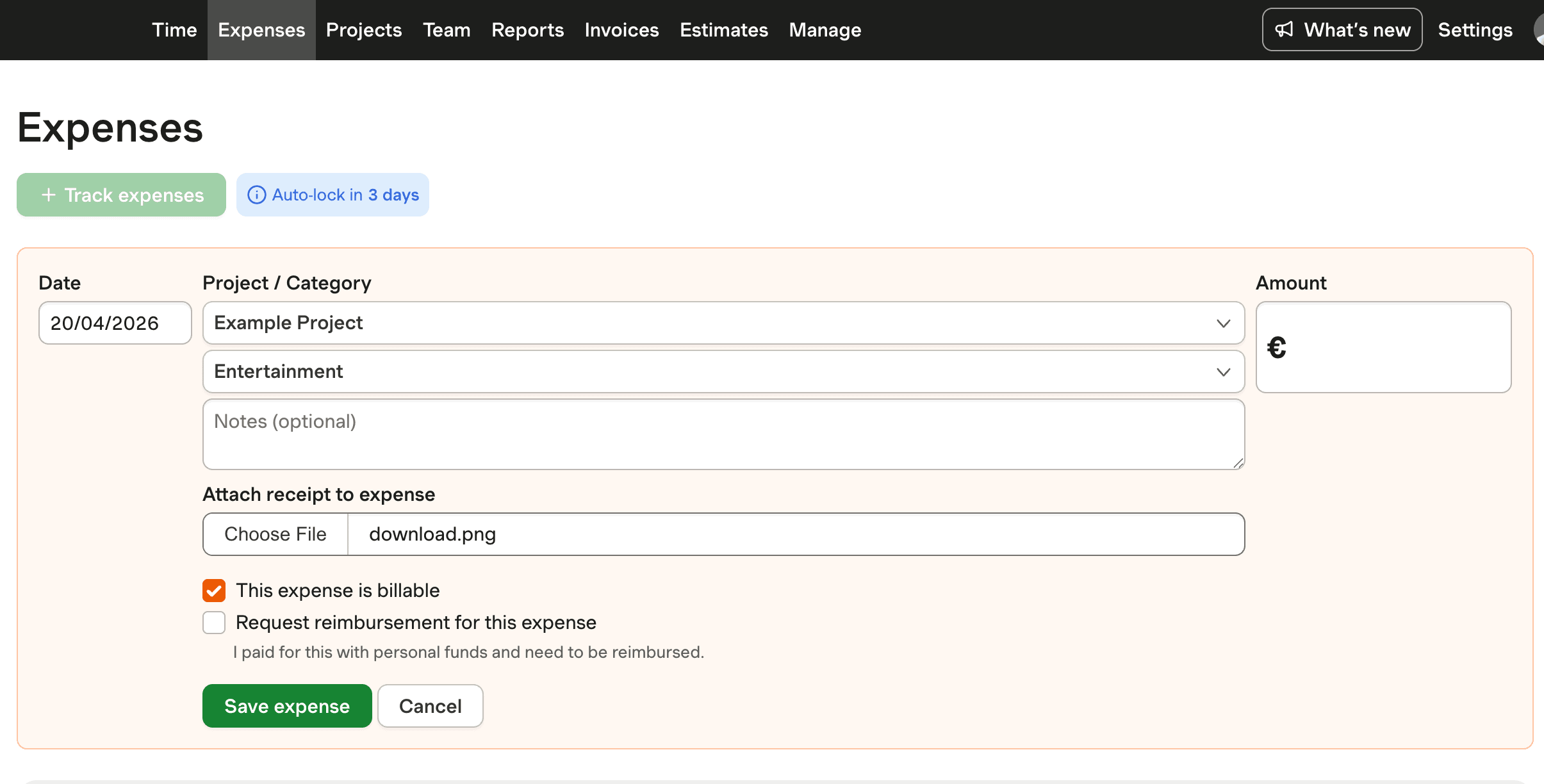
While Harvest does not offer automatic trip detection, it provides a reliable manual mileage tracking system that can be customized to meet the needs of Uber Eats drivers. By allowing drivers to input mileage quantities and categorize them by delivery project or client, Harvest ensures that all business miles are accounted for. This method, although manual, helps drivers maintain compliance with IRS requirements by keeping detailed records of each trip.

Harvest also enables drivers to track their expenses related to food delivery supplies, another critical aspect of managing finances for Uber Eats drivers. This dual capability of tracking both mileage and expenses provides drivers with a comprehensive view of their operational costs, helping them make informed financial decisions.

Enhancing Financial Management with Harvest

In addition to mileage tracking, Harvest excels in providing a broader financial management solution. It allows drivers to track expenses, such as vehicle maintenance and supplies, which can be categorized and analyzed to gain insights into overall profitability. Though Harvest does not feature automated earnings tracking or real-time performance comparisons, its comprehensive expense tracking capabilities can still significantly aid drivers in understanding their business costs.

By integrating expense tracking with time management, Harvest offers Uber Eats drivers the tools to strategize their work schedules and expenses effectively. This integration can help drivers identify profitable routes and times, ultimately enhancing their net earnings.

Manual Mileage Logs vs. Automated Solutions

While many drivers are shifting towards automated mileage tracking solutions that capture 95-98% of eligible business miles, manual logging remains a viable option for those preferring control over their records. Harvest supports this preference by enabling manual entry, ensuring drivers can record miles at their convenience without relying on technology that may not always be accurate or available.

However, it's crucial for drivers to weigh the administrative burden of manual logging, which can add up to 21 hours annually, against the benefits of potential tax savings. Regardless of the method, maintaining accurate records is essential to maximizing deductions and avoiding compliance issues.

Harvest Mileage Tracking for Uber Eats

See how Harvest helps Uber Eats drivers track and manage mileage and delivery expenses, ensuring tax compliance and maximizing deductions.

Screenshot of Harvest's mileage tracking tool for Uber Eats drivers.

Mileage Tracker for Uber Eats FAQs

  • Uber Eats drivers can maximize tax deductions by meticulously tracking their business miles. The IRS allows deductions based on the standard mileage rate, which was 72.5 cents per mile in 2026. Accurate logging helps ensure all eligible miles are documented, potentially saving thousands in taxes.

  • When selecting a mileage tracker, look for features such as ease of use, accuracy in mileage logging, and the ability to categorize expenses. Automated tracking can save time, but manual systems like Harvest offer customizable options that ensure compliance with IRS requirements.

  • Harvest enables Uber Eats drivers to track expenses by creating custom categories, such as vehicle maintenance and delivery supplies. This feature helps drivers manage their finances and gain insights into their business profitability.

  • Automated mileage tracking offers benefits such as capturing 95-98% of eligible business miles and reducing administrative time. While Harvest supports manual tracking, automated solutions can enhance accuracy and efficiency in logging trips.

  • Yes, Harvest can assist with tax compliance by providing a platform to accurately log mileage and track delivery expenses. This ensures drivers maintain detailed records as required by the IRS.

  • The standard mileage rate for 2026 was 72.5 cents per mile. This rate is used to calculate tax deductions, allowing drivers to save a significant amount on their taxes by accurately logging their business miles.