
Harvest
Expenses
Sign up

Shipping Expense Tracker

Shipping expenses can account for up to 25% of order value, impacting profits. Harvest offers project-based tracking to categorize and manage these costs effectively.

EXPENSE REPORT DRAFT

Drop your receipts here or click to upload

Images and PDFs (max 10 MB each)

Date
Category
Merchant
Description
Amount
Total
$0.00

Customise report

Appearance

Show report title

Report settings

Understanding Shipping Expenses and Their Impact on Profit Margins

Shipping expenses play a critical role in determining a business's profitability, often accounting for 15-25% of order value in direct-to-consumer (DTC) fulfillment. For DTC brands, these costs can represent 8-12% of total revenue, making them second only to the cost of goods sold (COGS). Rising shipping rates, with an expected increase of 8% in 2025, underscore the need for businesses to meticulously track and manage these expenses to avoid eroding profit margins.

Harvest offers a solution by allowing businesses to categorize shipping expenses by project or client. This capability helps in better understanding the context of each expense and ensures that businesses can maintain control over their shipping costs despite industry-wide rate hikes.
The Role of Data-Driven Analysis in Shipping Expense Management

Effective management of shipping expenses requires data-driven insights to identify trends and inefficiencies. Analysts highlight the importance of "spend visibility" in retail logistics as a competitive edge. Beyond tracking delivery status, businesses must understand the total landed cost of each shipment to determine profitability.

Harvest provides detailed reporting features that allow businesses to analyze shipping costs over time. By filtering and exporting data, users can gain insights into their spending patterns and identify areas for cost reduction. This analysis is crucial for making informed decisions and optimizing shipping operations.

Practical Strategies for Reducing Shipping Costs

High shipping costs are a common reason for cart abandonment and can significantly impact customer satisfaction. Implementing practical strategies such as optimizing packaging, negotiating carrier rates, and leveraging shipping software can lead to substantial savings.

For instance, e-commerce businesses that optimize their carrier mix and right-size packaging can reduce shipping costs by 25-40% while maintaining delivery speed. Although Harvest does not integrate directly with shipping carriers, it supports manual expense entry, allowing businesses to track these savings effectively as part of their overall expense management strategy.

Leveraging Expense Tracking Tools for SMEs and Logistics Firms

Small and medium-sized enterprises (SMEs) often face challenges in managing shipping expenses due to limited IT resources and budgets. However, the adoption of cloud-based expense tracking software, like Harvest, offers a viable solution with simplified reporting and easy integration with existing systems.

Logistics firms benefit from real-time tracking tools that streamline scheduling and optimize route selection. While Harvest focuses on project-based tracking, its reporting capabilities enable logistics firms to assess carrier performance and forecast costs accurately, supporting strategic decision-making in the complex logistics environment.

Shipping Expense Tracking with Harvest

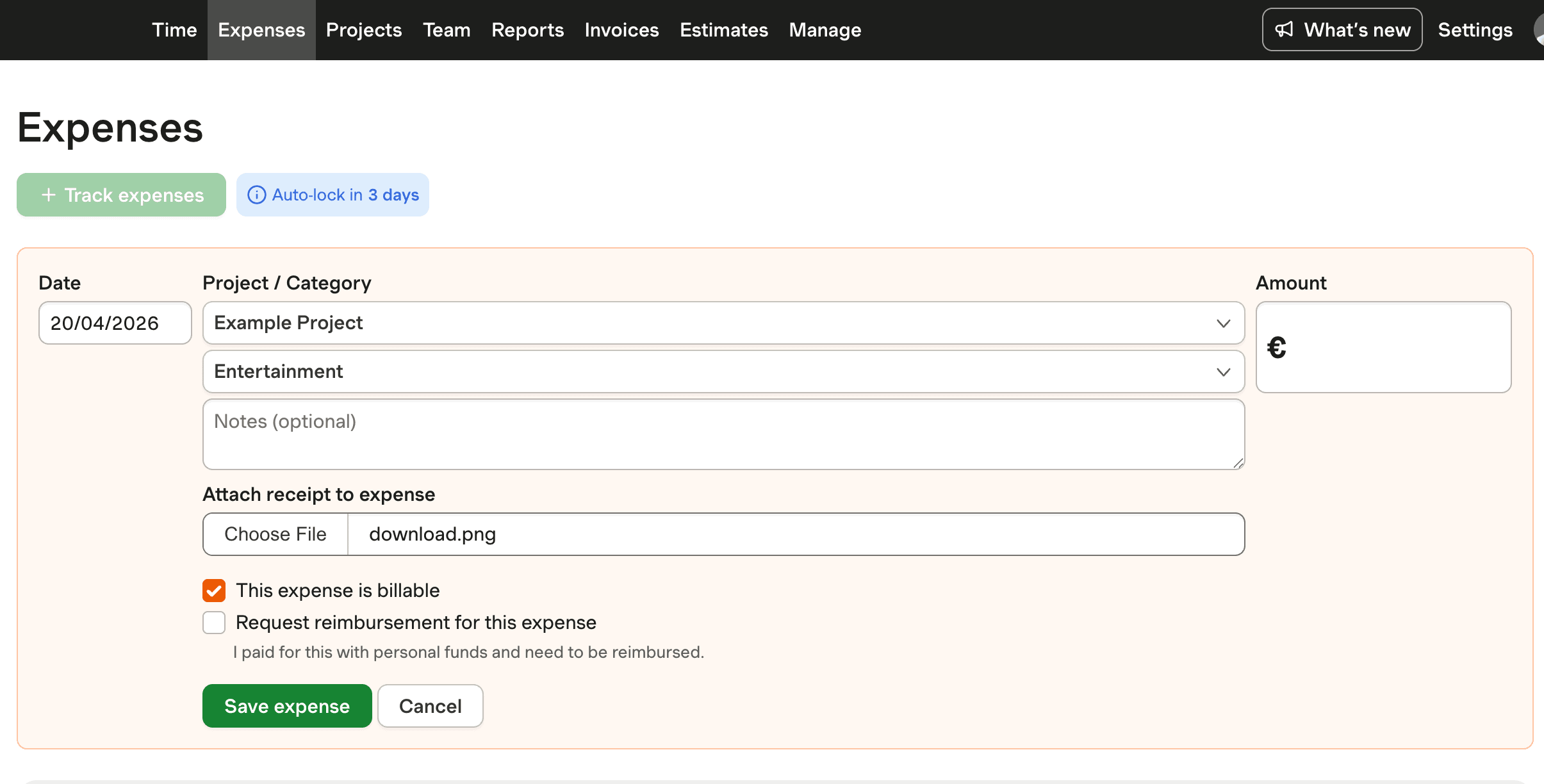
See how Harvest categorizes and analyzes shipping expenses, offering insights into project-based cost management.

Harvest interface showing shipping expense tracking features.

Shipping Expense Tracker FAQs

  • A robust shipping expense tracker should offer features like cost categorization, real-time tracking, and detailed reporting. These tools help businesses manage and analyze shipping expenses effectively.

  • Categorizing shipping expenses involves grouping costs by criteria such as project, client, or type of shipping service. Harvest allows you to categorize expenses by project or client, making it easier to manage and track costs.

  • While some tools offer integration with shipping carriers for real-time cost tracking, Harvest focuses on manual entry and project-based tracking, providing detailed reporting features to analyze expenses over time.

  • Effective reporting capabilities include the ability to filter and export data, analyze cost trends, and identify inefficiencies. Harvest provides these features, enabling businesses to make informed decisions about their shipping strategies.

  • Yes, Harvest allows you to categorize shipping expenses by client, providing a clear view of costs associated with each client and enabling better financial management.

  • Analyzing shipping data helps businesses identify cost-saving opportunities and inefficiencies. Regular analysis can lead to informed decision-making and optimized shipping operations, enhancing profitability.