
Harvest
Expenses
Sign up

Relocation Reimbursement

Harvest assists businesses by providing seamless time tracking and invoicing solutions, essential for managing relocation reimbursements efficiently.

EXPENSE REPORT DRAFT

Drop your receipts here or click to upload

Images and PDFs (max 10 MB each)

Date
Category
Merchant
Description
Amount
Total
$0.00

Customise report

Appearance

Show report title

Report settings

Understanding Relocation Reimbursement Costs

The costs associated with relocation reimbursement can vary significantly, influencing both employers and employees. For U.S. domestic renters, the average relocation cost is $21,792, whereas for homeowners, it reaches $63,685. These figures reflect the complexity and range of services included, such as transportation of household goods, temporary housing, and travel expenses. Comprehensive relocation packages often include core services like household goods transportation, which can average between $5,000 and $20,000, and temporary housing costs ranging from $3,500 to $10,000 per month.

Despite these costs, 82% of employers recognize relocation benefits as a powerful tool for retention. Moreover, 84% report increased productivity and engagement among relocated employees. This highlights the strategic importance of well-designed relocation reimbursement policies, not only in attracting talent but also in enhancing employee satisfaction and productivity.
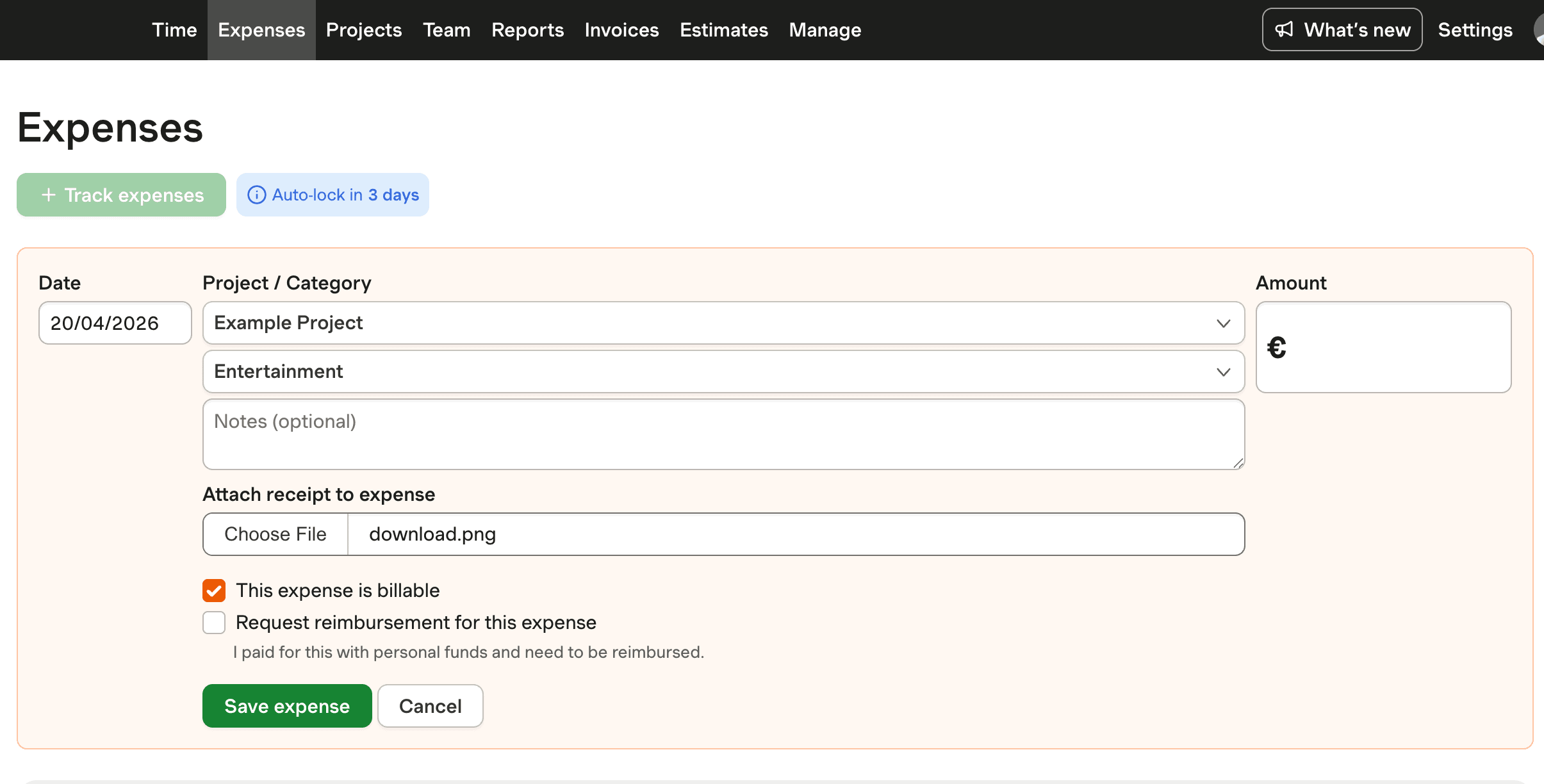
Submitting a Relocation Reimbursement Request

Submitting a relocation reimbursement request involves a clear understanding of eligible expenses and documentation requirements. Typical reimbursable expenses include moving household goods, temporary housing, and travel costs. For renters, these costs average $21,792, while homeowners face an average of $63,685, often due to additional home sale assistance.

Employers generally require detailed documentation for reimbursement, including receipts for all covered expenses. It is crucial to maintain accurate records and submit them promptly to avoid delays. Technological advancements, such as AI-driven platforms, are streamlining this process by improving communication and enabling real-time tracking of expenses, enhancing overall efficiency in reimbursement requests.

Tax Implications of Relocation Reimbursements

The Tax Cuts and Jobs Act of 2017 significantly altered the tax landscape for relocation reimbursements by eliminating many deductions and exemptions. As a result, employee relocation has become more expensive, prompting federal agencies to provide Withholding Tax Allowance (WTA) and Relocation Income Tax Allowance (RITA) to mitigate tax liabilities. These allowances cover "substantially all" of the increased tax burden related to relocation expenses.

Understanding the tax implications is essential for both employers and employees. Employers must ensure compliance with local taxes and offer support to employees navigating these complexities. By leveraging technology and integrating data analytics, companies can optimize their relocation programs to offer competitive benefits while maintaining compliance and cost control.

Relocation Bonuses vs. Reimbursements

Relocation bonuses and reimbursements serve distinct purposes in employee relocation strategies. While reimbursements cover specific relocation expenses, bonuses provide a lump sum to employees, offering flexibility but often not covering all costs. This shift towards managed budget plans allows companies to control costs effectively by having unspent funds revert to the employer.

Managed budget plans are gaining popularity over traditional lump-sum allowances due to their ability to support employees while reducing overall relocation costs. This approach offers employees guidance and support, ensuring more efficient and satisfactory relocations without compromising on quality or employee satisfaction.

Relocation Reimbursement with Harvest

The preview shows Harvest's dashboard for managing relocation reimbursements, helping streamline costs and submissions efficiently.

Harvest dashboard for relocation reimbursement management

Relocation Reimbursement FAQs

  • Relocation reimbursement often covers household goods transportation, temporary housing, and travel expenses. For renters, these costs average $21,792, while homeowners see averages of $63,685 due to home sale assistance.

  • To submit a relocation reimbursement request, gather all necessary documentation, such as receipts for moving and travel expenses. Ensure that these documents are submitted promptly to your employer to facilitate timely reimbursement.

  • Relocation reimbursements are impacted by the Tax Cuts and Jobs Act of 2017, which removed many deductions. Employers may offer WTA and RITA to cover increased tax liabilities, ensuring employees are not financially disadvantaged.

  • Relocation bonuses provide a lump sum to employees for relocation expenses, allowing flexibility but possibly not covering all costs. Reimbursements, however, cover specific documented expenses, ensuring comprehensive support.

  • Managed budget plans are preferred as they allow companies to support employees while controlling costs. Unspent funds revert to the employer, offering significant savings compared to traditional lump-sum allowances.

  • Technology, such as AI-driven platforms, enhances relocation reimbursement by streamlining documentation, improving communication, and providing real-time expense tracking, making the process more efficient and transparent.

  • The average cost of a U.S. domestic employee relocation package ranges from $10,000 to $100,000, depending on factors like homeowner status and distance. Renters typically see costs around $21,792, while homeowners average $63,685.