
Harvest
Expenses
Sign up

Training Expense Tracker

Harvest provides a seamless way to track training expenses, allowing businesses to manage their learning and development budgets effectively and prevent cost overruns.

  • Attach receipts to projects & tasks
  • Turn tracked expenses into client invoices
  • Free 30-day trial, no credit card needed

or drag & drop • Images and PDFs, max 10 MB

Why Tracking Training Expenses is Crucial for Businesses

Tracking training expenses is essential for businesses aiming to optimize their learning and development (L&D) investments. In 2025, U.S. companies spent a staggering $102.8 billion on training, marking a 4.9% increase from the previous year. As the average cost to train an employee reached $874, businesses must closely monitor these expenditures to ensure a positive return on investment (ROI) and maintain financial health.

Comprehensive tracking allows organizations to identify inefficiencies and allocate resources effectively. Companies with robust training programs report a 218% higher income per employee and a 24% higher profit margin. By using tools like Harvest, businesses can categorize expenses and attach receipts, providing a clear picture of where funds are being allocated and helping to prevent budget overruns.
How Harvest Simplifies Training Expense Management

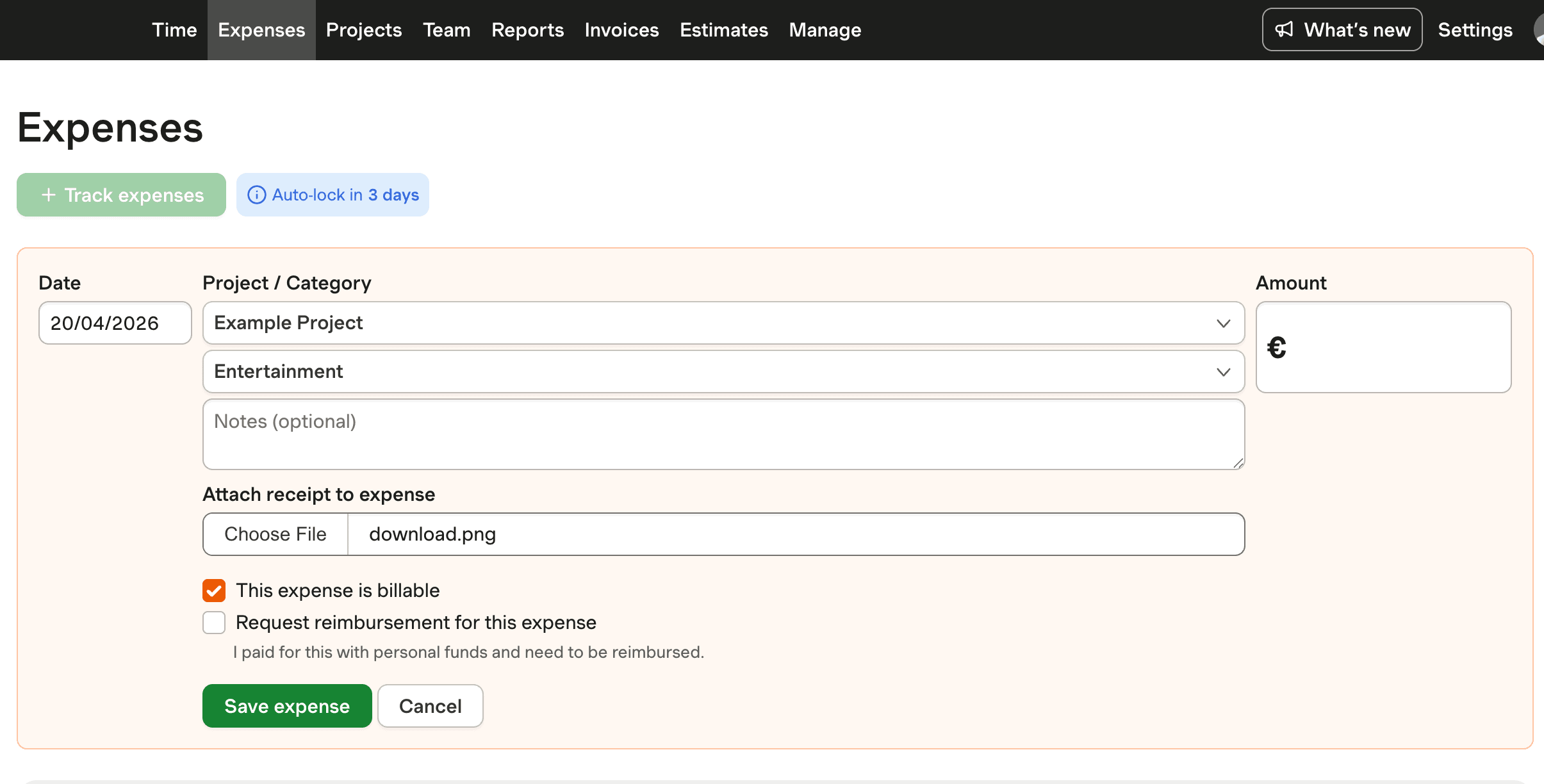
Harvest offers a streamlined solution for managing training expenses, allowing businesses to categorize and track expenditures with ease. This capability is crucial as spending on external training vendors surged to $16 billion in 2025, indicating a growing reliance on outsourced solutions. With Harvest, users can create custom categories for expenses, ensuring that each cost is accurately recorded and accounted for.

By enabling tracking of expenses related to external training vendors and technology, Harvest helps businesses maintain detailed records. This is particularly important in regulated industries where compliance with financial reporting is mandatory. Harvest's ability to attach receipts to expenses further enhances accountability and transparency, making it easier for businesses to maintain audit-ready documentation.

Optimizing Your Training Budget with Harvest

Effective budget management is critical in preventing cost overruns and ensuring that every dollar spent on training contributes to business growth. Research shows that businesses can reduce training costs by 20-30% through strategic approaches like transitioning to virtual platforms and leveraging internal resources. Harvest supports these goals by providing detailed reports that allow businesses to manually analyze their spending patterns.

While Harvest does not automatically identify cost-saving opportunities, its reporting features enable users to review expenses in detail. This manual analysis can reveal insights into potential cost reductions, such as underutilized resources or high vendor costs. With Harvest, businesses can make informed decisions about their training programs, ultimately improving their ROI on learning investments.

Best Practices for Tracking Training Expenses

Implementing best practices for tracking training expenses is essential for maximizing the benefits of L&D investments. A critical first step is to conduct a thorough analysis of all current expenditures. This includes both direct costs, such as instructor fees, and indirect costs, like employee time away from work. Harvest facilitates this process by allowing users to categorize expenses into various training-related categories.

Another best practice involves utilizing automated tracking and reporting systems to enhance compliance efficiency. Harvest's ability to generate detailed expense reports helps businesses maintain transparency and traceability in their financial records. By adopting these practices, organizations can avoid common pitfalls, such as vague budgeting, which often lead to cost overruns and reduced training effectiveness.

Manage Training Expenses with Harvest

Discover how Harvest helps you categorize training expenses and manage your L&D budget effectively. Track spending and optimize resources.

Screenshot of Harvest interface for tracking training expenses.

Training Expense Tracker FAQs

  • Tracking training expenses effectively involves categorizing costs accurately and maintaining detailed records. Tools like Harvest allow you to create custom categories for each type of expense and attach receipts, ensuring comprehensive tracking and reporting.

  • When choosing a training expense tracker, look for features like customizable expense categories, receipt attachment capabilities, and detailed reporting. Harvest provides these features, making it easier to manage and analyze training-related expenditures.

  • Harvest simplifies tracking training expenses by enabling users to categorize costs and attach receipts. This functionality helps businesses maintain transparency and accountability in their financial records, ensuring accurate and efficient expense management.

  • Automated expense trackers offer benefits such as reduced administrative burden, improved compliance efficiency, and enhanced accuracy in financial reporting. Harvest's reporting features enable businesses to maintain detailed records and streamline their expense management processes.

  • Optimizing your training budget involves analyzing spending patterns and identifying areas for cost reduction. Harvest's detailed reports allow for manual analysis of expenses, helping businesses make informed decisions to improve their learning and development ROI.

  • As of 2025, the average cost to train an employee is $874. This figure represents a rise from previous years, driven by increased investment in digital learning technologies and workforce skills development.

  • Calculating ROI on training investments requires identifying the financial benefits derived from training and comparing them to the total costs incurred. While Harvest doesn't calculate ROI directly, its detailed expense reports can assist in manual ROI analysis.