
Harvest
Expenses
Sign up

Travel and Expense Template

Harvest provides a customizable travel and expense tracking solution, helping users efficiently manage expenses with detailed reports and receipt attachments.

  • Attach receipts to projects & tasks
  • Turn tracked expenses into client invoices
  • Free 30-day trial, no credit card needed

or drag & drop • Images and PDFs, max 10 MB

The Cost of Manual Expense Management

Manual expense management is not only time-consuming but also costly. On average, processing a single expense report manually costs $58 and takes about 20 minutes to complete. Furthermore, 20% of these manually submitted reports contain errors or missing information, resulting in an additional cost of $52 and 18 minutes per report to correct. This inefficiency can significantly impact your bottom line, especially if your business handles numerous expense reports monthly.

Harvest addresses these challenges by providing a customizable expense tracking solution designed to streamline the process. By allowing administrators to create custom expense categories and attach receipts to expenses, Harvest helps reduce the risk of errors and missing information. This focus on organization not only saves time but also ensures compliance with tax regulations and company policies.
Enhancing Efficiency with Automated Expense Reporting

Automating expense management can lead to a 70% reduction in processing costs, with expenses per report potentially dropping to as low as $6.85. Additionally, 83% of enterprises adopting automation report improved efficiency and reduced processing times, with 77% noting significant enhancements in their overall expense management processes.

Although Harvest does not offer fully automated expense entry, it provides a robust platform for organizing and categorizing expenses, which facilitates quicker approvals and reimbursements. By enabling users to generate detailed reports and attach necessary documentation, Harvest supports businesses in moving towards more efficient expense management practices, contributing to faster financial insights and improved cash flow management.

Customizable Travel Expense Templates for Compliance

Ensuring compliance with company policies and tax regulations is crucial in expense reporting. A well-structured travel expense report template is key to achieving this. Essential components of such a template include clear categories for transportation, lodging, meals, and other expenses, along with attached receipts for each transaction.

Harvest helps users maintain compliance by allowing the customization of expense categories, making it easy to tailor reports to specific needs. This customization is particularly beneficial for businesses with diverse travel and expense requirements, such as freelancers and small teams. With Harvest, users can ensure their reports are clear, comprehensive, and compliant, ultimately reducing the risk of audit issues and enhancing overall financial transparency.

Effective Expense Tracking for Small Teams and Freelancers

Small teams and freelancers often face unique challenges in managing travel expenses effectively. Without a structured system, tracking expenditures can quickly become overwhelming, leading to errors and missed reimbursements. On average, the cost of unmanaged travel spending constitutes 65% of total corporate travel expenses, highlighting the importance of an efficient tracking system.

Harvest offers a simple yet powerful solution for expense tracking, allowing users to manage travel expenses efficiently through detailed reports and receipt attachments. These features are crucial for ensuring accurate reimbursement and maintaining control over travel budgets. By adopting Harvest's customizable templates, small teams and freelancers can streamline their expense management processes, ultimately saving time and resources while gaining better financial insights.

Travel and Expense Templates with Harvest

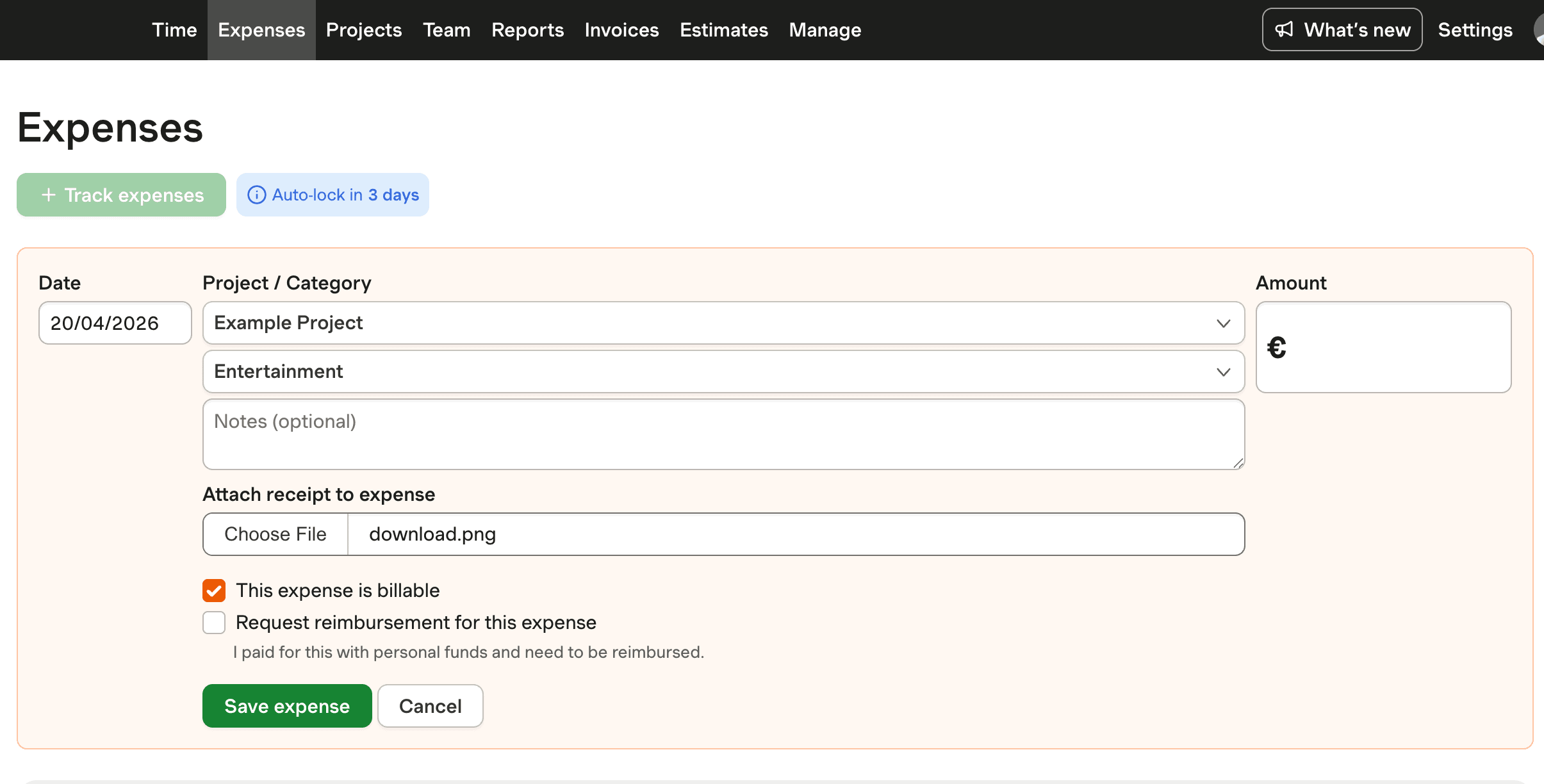
Explore Harvest's customizable templates for managing travel expenses. Create detailed reports and attach receipts for streamlined tracking.

Harvest travel and expense template showing detailed report and receipt attachment.

Travel and Expense Template FAQs

  • Travel and expense templates typically come in various formats such as Excel, PDF, and Google Sheets. These formats allow users to customize the templates according to their specific needs and integrate them with their existing systems for seamless expense tracking.

  • To effectively use a travel and expense template, start by categorizing your expenses into clear headings such as transportation, lodging, meals, and incidentals. Ensure you attach receipts for each transaction to maintain accuracy and compliance. Tools like Harvest can help organize and streamline this process.

  • A comprehensive travel expense report should include categories like transportation, lodging, meals, entertainment, and other miscellaneous expenses. Including these categories ensures all expenses are accounted for, aiding in accurate reporting and compliance.

  • Yes, most travel and expense templates can be customized to fit specific business needs. Harvest, for instance, allows users to create custom expense categories, making it easier to tailor reports for different types of travel and business activities.

  • To ensure compliance with expense policies, always attach receipts to your expense reports and categorize expenses accurately. Using a tool like Harvest, which allows for detailed reporting and receipt attachment, can help maintain compliance and streamline the approval process.

  • Harvest provides small teams with a user-friendly platform to track and manage expenses efficiently. It allows for the creation of detailed reports and supports receipt attachment, which helps in maintaining accurate records and ensuring timely reimbursements.

  • Attaching receipts is crucial for verifying expenses and ensuring compliance with both company policies and tax regulations. Harvest supports attaching receipts to expenses, which helps in maintaining transparency and reducing the risk of audit issues.