
Harvest
Expenses
Sign up

Transportation and Travel Expense

Harvest excels in tracking project-based transportation expenses, offering receipt uploads and mobile convenience without tax deduction specifics.

  • Attach receipts to projects & tasks
  • Turn tracked expenses into client invoices
  • Free 30-day trial, no credit card needed

or drag & drop • Images and PDFs, max 10 MB

Understanding Transportation and Travel Expenses

Transportation and travel expenses are essential components of business operations, encompassing costs incurred during business-related travel. As corporate travel spending is projected to grow to $2.9 trillion by 2029, effective management of these expenses is crucial for maintaining cost control and compliance. Businesses need to understand the types of expenses that are deductible under tax regulations. For instance, deductible expenses typically include airfare, car rentals, lodging, and meals, but only if they adhere to specific guidelines.

One notable trend is the rise of "bleisure" travel, blending business and leisure, with spending in this category projected to increase by 87% in the U.S. between 2024 and 2029. Companies are increasingly adopting policies that clearly delineate personal from business expenses. Understanding these trends and regulations helps businesses create effective travel policies that ensure compliance while also accommodating employee needs.
Challenges in Managing Travel Expenses

Managing travel expenses presents several challenges, including poor visibility into spending and non-compliance with company policies. According to recent studies, 65% of corporate travel spending remains unmanaged, leading to potential overspending. Furthermore, manual processes and spreadsheet-based tracking contribute to errors and inefficiencies, with 292% increase in T&E spend violations since the rise of remote work.

To address these issues, companies should implement automated expense management systems. Such systems offer real-time visibility into spending and can flag non-compliant transactions before they occur, helping prevent unauthorized spending. Automating processes also reduces human error, accelerates reimbursements, and streamlines approvals, thereby improving overall efficiency and compliance.

Legal and Compliance Considerations for Travel Expenses

Understanding the legal and compliance aspects of travel expenses is critical for businesses. In the U.S., the IRS outlines that business travel expenses are deductible if they are ordinary and necessary, incurred while away from the tax home, and properly substantiated. Such expenses include transportation, lodging, and meals, with meals generally being 50% deductible.

Documentation is essential, with businesses required to retain travel and expense records, such as receipts and mileage logs, for at least three years. Non-compliance can lead to financial discrepancies and potential audits. Companies should ensure that their travel policies are well-communicated and that employees are aware of the documentation required for tax purposes.

Harvest: Simplifying Expense Management

For businesses looking to efficiently track transportation and travel expenses, Harvest offers a robust solution. While it does not handle tax deduction specifics, Harvest excels in tracking project-based expenses with features like receipt uploads and mobile app convenience. This allows businesses to maintain clear records of expenses, which is crucial for compliance and reporting.

Harvest's intuitive interface makes it easy for employees to log expenses on the go, ensuring that all travel-related costs are accurately captured. By integrating Harvest into your business processes, you can reduce manual entry errors and improve the visibility of your expense data, leading to better financial management and operational efficiency.

Streamline Travel Expenses with Harvest

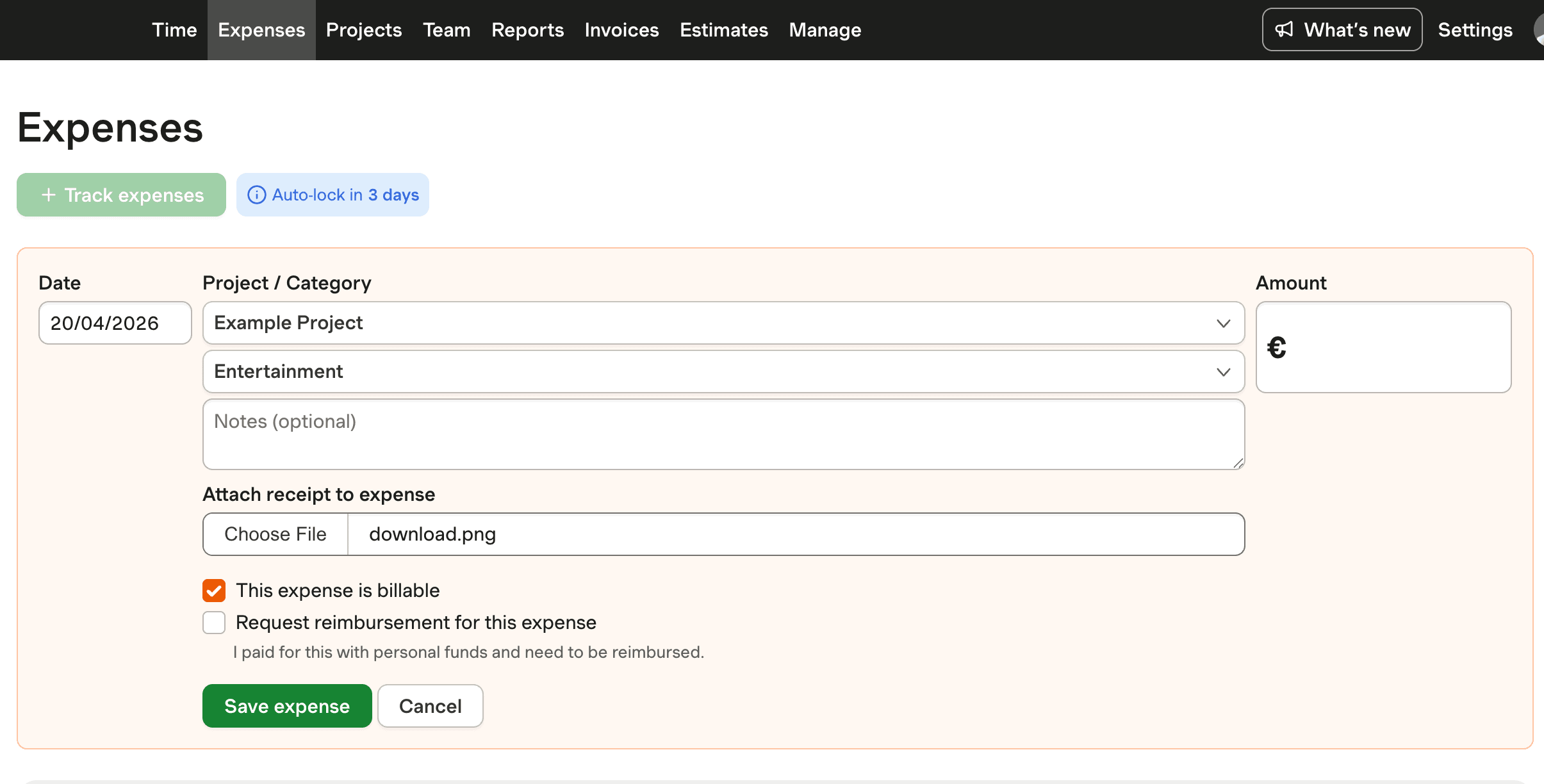
See how Harvest simplifies tracking transportation and travel expenses with receipt uploads and mobile app convenience.

Screenshot of Harvest tracking transportation and travel expense features.

Transportation and Travel Expense FAQs

  • Business-related transportation expenses that are deductible typically include airfare, train, bus, or car travel between your home and business destination, taxi fares, and car rentals. Meals and lodging are also deductible, though meals are generally only 50% deductible. It's important to ensure these expenses are ordinary, necessary, and properly substantiated per IRS guidelines.

  • For tax purposes, travel expenses should be documented with detailed records. This includes keeping receipts, mileage logs, and documentation of travel dates, destinations, and business purposes. The IRS requires businesses to retain these records for at least three years to ensure compliance and support any deductions claimed.

  • The rise of remote work has led to a 292% increase in travel and expense spend violations, despite a 55% decrease in overall T&E spend. This is due to increased purchases in miscellaneous categories, necessitating stricter compliance measures and clearer guidelines for expense reporting.

  • Harvest simplifies travel expense management by allowing users to upload receipts and track expenses via its mobile app. While it does not offer tax deduction specifics, it provides clear record-keeping and real-time visibility into spending, helping businesses manage project-based expenses effectively.

  • Creating a travel expense policy involves assessing current practices, defining clear goals, and establishing guidelines for allowable expenses and spending limits. It should include clear documentation requirements and approval workflows, and be regularly reviewed to align with legal requirements and business objectives.

  • 'Bleisure' travel combines business and leisure activities in a single trip. Companies need to establish clear policies to differentiate personal expenses from business expenses, ensuring accurate expense reporting and compliance with tax regulations.

  • Automated expense systems enhance compliance by providing real-time visibility into spending, flagging non-compliant transactions, and streamlining the approval process. This reduces manual errors and ensures consistent enforcement of company policies, leading to more accurate financial reporting.

  • Yes, Harvest can track transportation expenses for self-employed individuals, providing a straightforward way to log and manage expenses. However, it does not distinguish between deductible expenses for self-employed individuals versus employees.

  • Integrating travel management with accounting software ensures real-time data synchronization, automatic reconciliation, and improved financial transparency. This reduces manual workload for finance teams and enhances data accuracy, ultimately leading to better financial control and reporting.