
Harvest
Expenses
Sign up

Travel Expense Fraud

Harvest helps businesses track and manage expenses efficiently, providing clear records that support fraud prevention efforts, even though it lacks automated detection features.

  • Attach receipts to projects & tasks
  • Turn tracked expenses into client invoices
  • Free 30-day trial, no credit card needed

or drag & drop • Images and PDFs, max 10 MB

Understanding Travel Expense Fraud

Travel expense fraud is a significant issue that costs businesses billions annually. According to a survey of 1,000 business travelers, such fraud can cost companies up to $2.8 billion per year. The Association of Certified Fraud Examiners (ACFE) estimates that organizations lose about 5% of their annual revenues to fraud, with expense reimbursement fraud being a major contributor. This form of occupational fraud appears in 13% of cases analyzed, often going undetected for 12 to 18 months. The rise of remote work further complicates this issue by reducing finance teams' visibility into daily spending.

Common types of travel expense fraud include mischaracterized personal expenses, inflated legitimate expenses, and duplicate reimbursements. For example, an employee might disguise a family dinner as a business meal or alter a receipt from $50 to $200. Duplicate reimbursements can happen by submitting the same receipt in different reports. Advanced technologies, particularly AI and machine learning, have become essential in detecting these fraudulent activities, reducing expense fraud by up to 42%.
Preventing Travel Expense Fraud with Technology

In the battle against travel expense fraud, technology plays a crucial role. AI-powered auditing systems can continuously review transactions, identifying anomalies that manual processes might miss. These systems cross-check spending patterns against historical data, flagging unusual behavior and detecting altered receipts based on pixel inconsistencies or font changes. The adoption of integrated travel and expense platforms can further reduce fraud by closing the gaps left by traditional auditing methods.

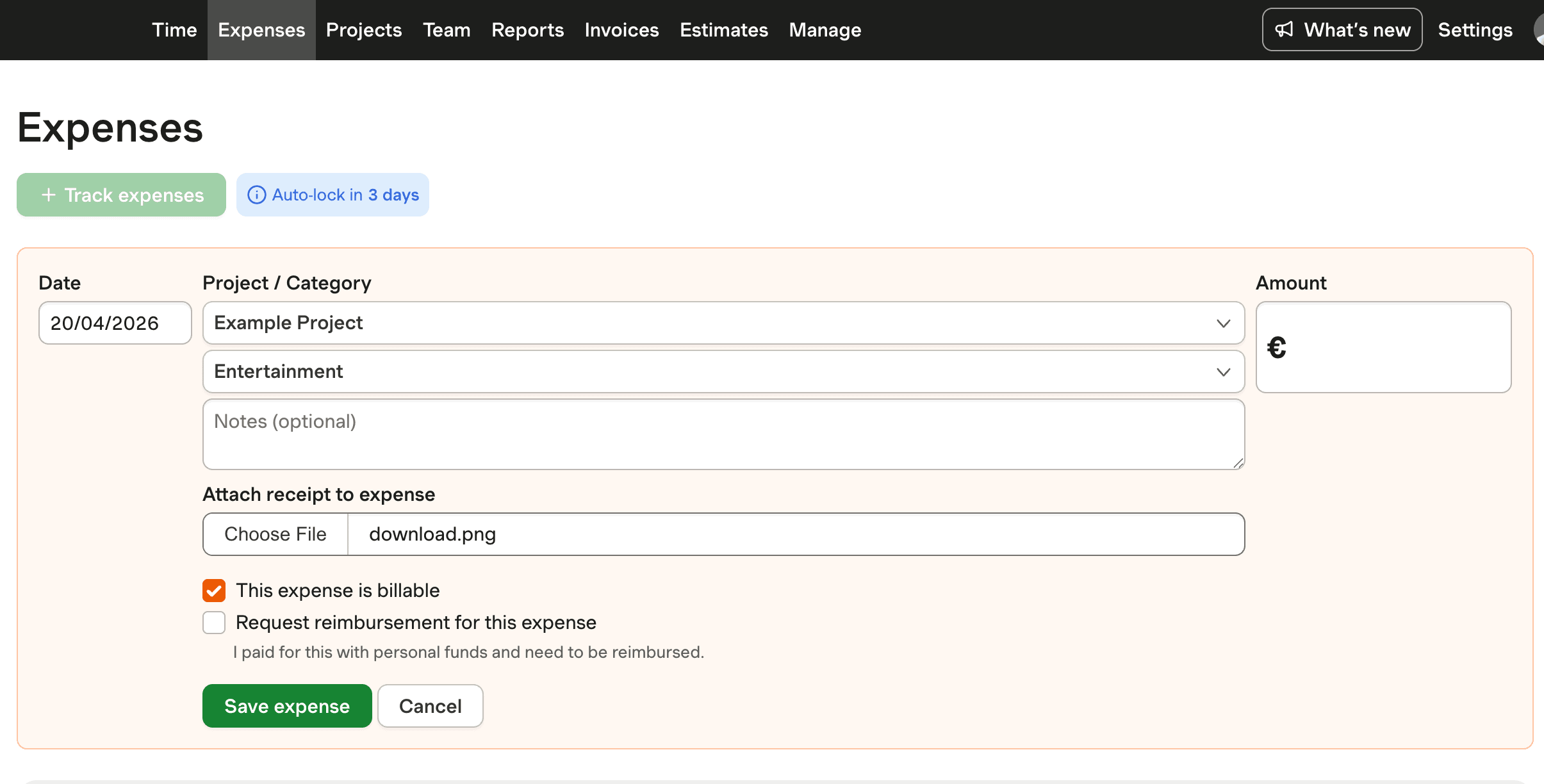
Harvest offers a streamlined approach to tracking and managing expenses, although it does not include advanced fraud detection features. Businesses can use Harvest to manually enter expenses and upload receipts, gaining a clear view of spending. While it lacks specialized fraud detection, Harvest helps maintain detailed records, supporting manual auditing processes and ensuring compliance with established expense policies.

The Impact of Travel Expense Fraud

Travel expense fraud not only affects a company's bottom line but also impacts workplace culture and trust. On average, fraudulent claims can amount to $2,500 per individual, with only one in six fraudsters being caught. The ACFE highlights that a lack of internal controls, management review, and clear policies contribute significantly to this issue. Implementing robust internal controls and approval workflows is essential for reducing fraud opportunities.

Although Harvest does not specifically assess the impact of fraud on finances or culture, it provides tools for tracking expenses and generating detailed reports. These capabilities can assist businesses in identifying inconsistencies and understanding spending patterns, indirectly supporting efforts to mitigate fraud.

Establishing Clear Policies and Controls

Creating clear, enforceable expense policies is a fundamental step in preventing travel expense fraud. These policies should define eligible expenses, documentation requirements, and approval processes. The ACFE recommends requiring original receipts, establishing written travel and meal guidelines, and implementing review processes for all expense reports. Such measures reduce ambiguity and support honest reporting.

While Harvest does not include tools for policy enforcement, it allows businesses to track expenses accurately and maintain comprehensive records. This transparency is key to supporting manual audits and ensuring that company policies are upheld. By integrating Harvest with other business systems, companies can enhance data flow and visibility, further supporting fraud prevention efforts.

Combat Travel Expense Fraud with Harvest

See how Harvest helps businesses manage and track expenses, supporting fraud prevention efforts through detailed record-keeping.

Harvest expense tracking interface for managing travel expenses.

Travel Expense Fraud FAQs

  • Common types include mischaracterized personal expenses, inflated expenses, duplicate reimbursements, and fictitious expenses. For example, an employee may claim a personal dinner as a business meal or alter a receipt amount.

  • Businesses can detect fraudulent claims by implementing AI-powered auditing systems that analyze spending patterns and flag anomalies. Regular manual audits and clear expense policies also help reduce fraud.

  • Travel expense fraud can cost businesses up to $2.8 billion annually. It affects financial resources and can damage workplace culture, impacting trust and efficiency.

  • AI and machine learning enhance fraud detection by reviewing transactions in real-time, identifying patterns, and flagging unusual behavior, significantly reducing fraud by up to 42%.

  • Clear policies define eligible expenses, documentation requirements, and approval processes, reducing ambiguity and supporting honest reporting. They are essential for effective fraud prevention.

  • Harvest allows businesses to manually track expenses and upload receipts, providing a clear view of spending that supports manual fraud detection efforts through detailed reporting.