
Harvest
Expenses
Sign up

Reimbursement for Gas

Harvest simplifies the reimbursement process for gas expenses by allowing custom per-mile rates and detailed mileage logging, ensuring compliance and accuracy.

EXPENSE REPORT DRAFT

Drop your receipts here or click to upload

Images and PDFs (max 10 MB each)

Date
Category
Merchant
Description
Amount
Total
$0.00

Customise report

Appearance

Show report title

Report settings

Understanding Gas Reimbursement Rates

Reimbursement for gas expenses incurred during business travel is a critical aspect of managing travel costs effectively. In the United States, the IRS sets a standard mileage reimbursement rate to streamline this process, which is 72.5 cents per mile for 2026. This rate is intended to cover all vehicle operating costs, including gas, maintenance, and depreciation. In the UK, the HMRC advisory rate is 45p per mile for the first 10,000 business miles, dropping to 25p thereafter. In Canada, the CRA rate is 73 cents per kilometer for the first 5,000 kilometers. These rates are regularly updated to reflect changes in vehicle operating costs, such as the 11.3% increase in motor vehicle insurance premiums observed in 2024.

Harvest facilitates accurate tracking of these expenses by allowing users to set custom per-mile rates that reflect these standard rates. This capability ensures that businesses can easily manage and reimburse gas expenses without needing to manually calculate each trip's cost. By using Harvest, companies can ensure compliance with regional and national reimbursement standards, simplifying the reimbursement process for both employers and employees.
Essential Documentation for Gas Reimbursement

Accurate documentation is paramount when claiming reimbursement for gas expenses. The IRS requires detailed mileage logs that include the date, origin, destination, business purpose, and miles driven for each trip. Without proper documentation, businesses and employees risk IRS audits and potential financial penalties. Similarly, in the UK, the HMRC mandates detailed records to avoid penalties of up to £3,000 per incorrect record. This highlights the importance of maintaining comprehensive records.

Harvest addresses this need by enabling users to document mileage expenses efficiently. Users can enter relevant details such as quantities and trip purposes directly into the Harvest platform, which aids in creating precise reimbursement claims. This documentation capability ensures that businesses remain compliant with legal requirements while simplifying the reimbursement process.

Challenges of Manual Mileage Tracking

Manual mileage tracking can be a significant administrative burden, leading to inaccuracies and potential for fraudulent claims. Companies that rely on manual processes often face issues like overstated mileage and inefficient use of employee time, with employees spending an average of 21 hours annually on mileage reporting. This inefficiency not only affects productivity but can also lead to financial losses due to inaccurate reimbursements.

Harvest offers a solution to these challenges by providing a streamlined system for tracking mileage expenses. Although Harvest does not automate mileage tracking, it allows users to manually enter mileage data and apply custom per-mile rates, ensuring that all mileage is logged accurately and efficiently. This feature helps businesses avoid the common pitfalls of manual tracking, reducing the risk of errors and fraudulent claims.

Integrating Mileage Tracking with Business Processes

Integrating mileage tracking with broader business processes is essential for maintaining financial accountability and efficiency. By connecting mileage tracking with expense management systems, payroll, and accounting software, businesses can streamline reporting and reduce data entry redundancies. This integration provides real-time visibility into travel expenses, simplifying financial management and audits.

Harvest supports this integration by allowing users to manage mileage expenses alongside other business expenses within the same platform. This capability ensures that all expenses are documented and organized, facilitating seamless reporting and auditing processes. By using Harvest, businesses can achieve comprehensive financial oversight and improve their expense management strategies.

Reimbursement for Gas with Harvest

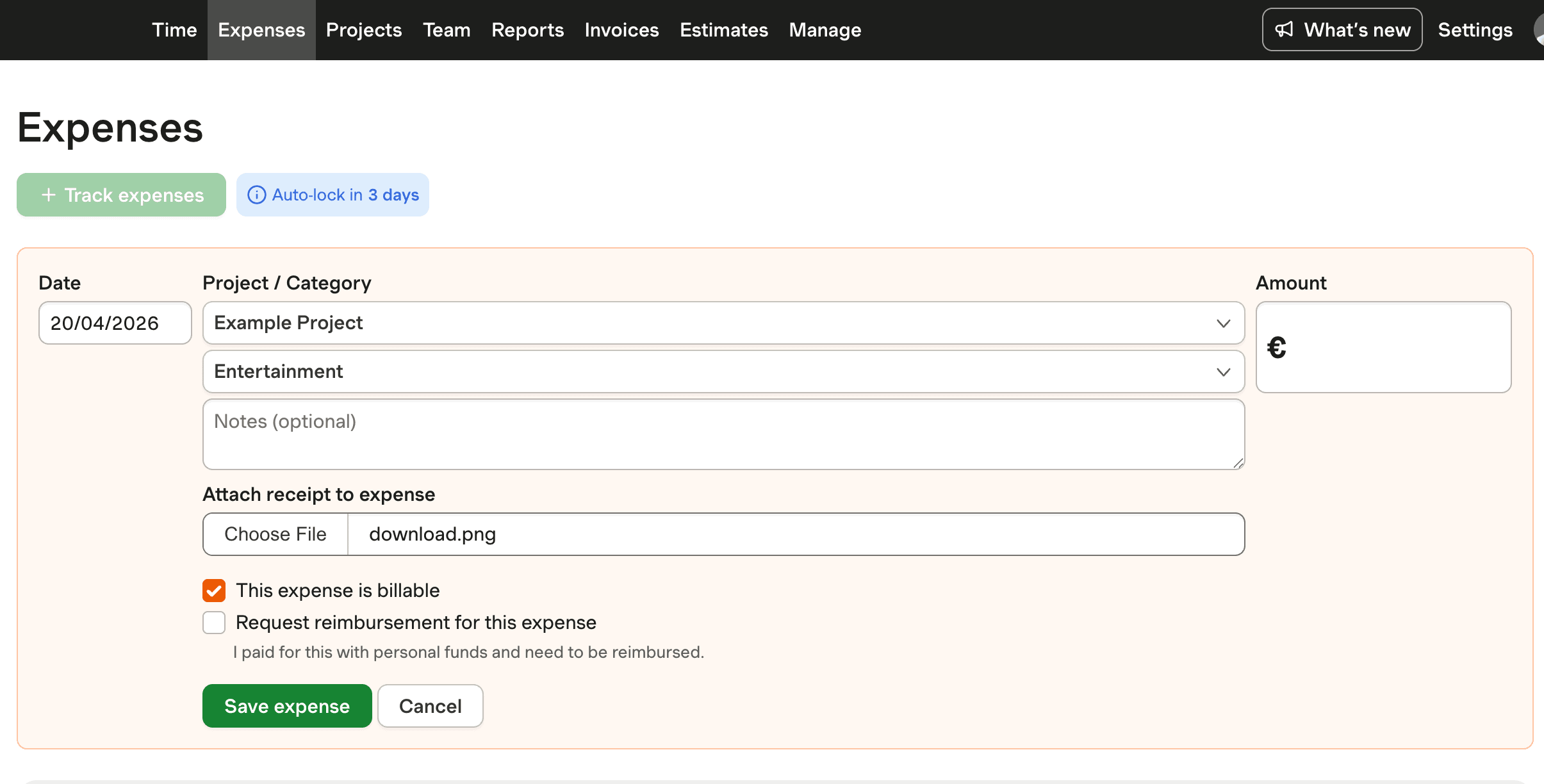
Harvest's platform allows users to easily track gas expenses and set custom reimbursement rates for efficient mileage management.

Harvest's expense management interface for gas reimbursement.

Reimbursement for Gas FAQs

  • The current IRS reimbursement rate for gas mileage in the US is 72.5 cents per mile for 2026. In the UK, the rate is 45p per mile for the first 10,000 miles, and in Canada, it's 73 cents per kilometer for the first 5,000 kilometers.

  • To claim gas reimbursement, you need detailed mileage logs that include the date, origin, destination, business purpose, and miles driven. This documentation is crucial to comply with IRS requirements and avoid penalties.

  • Harvest helps by allowing you to set custom per-mile rates and document mileage expenses, ensuring accurate and compliant reimbursement processes.

  • To calculate mileage for reimbursement, record each business trip's start and end points, calculate the total miles driven, and apply the reimbursement rate set by applicable standards such as the IRS or HMRC.

  • Self-employed individuals must track their business mileage carefully and apply the appropriate reimbursement rates. Harvest helps by facilitating detailed mileage logging, but users should consult tax professionals for specific guidance.

  • Business mileage includes trips made solely for work purposes, excluding commuting. Personal mileage covers all other trips. Harvest users need to manually categorize each trip accordingly.

  • Yes, integrating mileage tracking with expense management and payroll systems enhances efficiency. Harvest supports integration with broader business processes, streamlining expense reporting.