
Harvest
Expenses
Sign up

Weekly Income and Expense Sheet

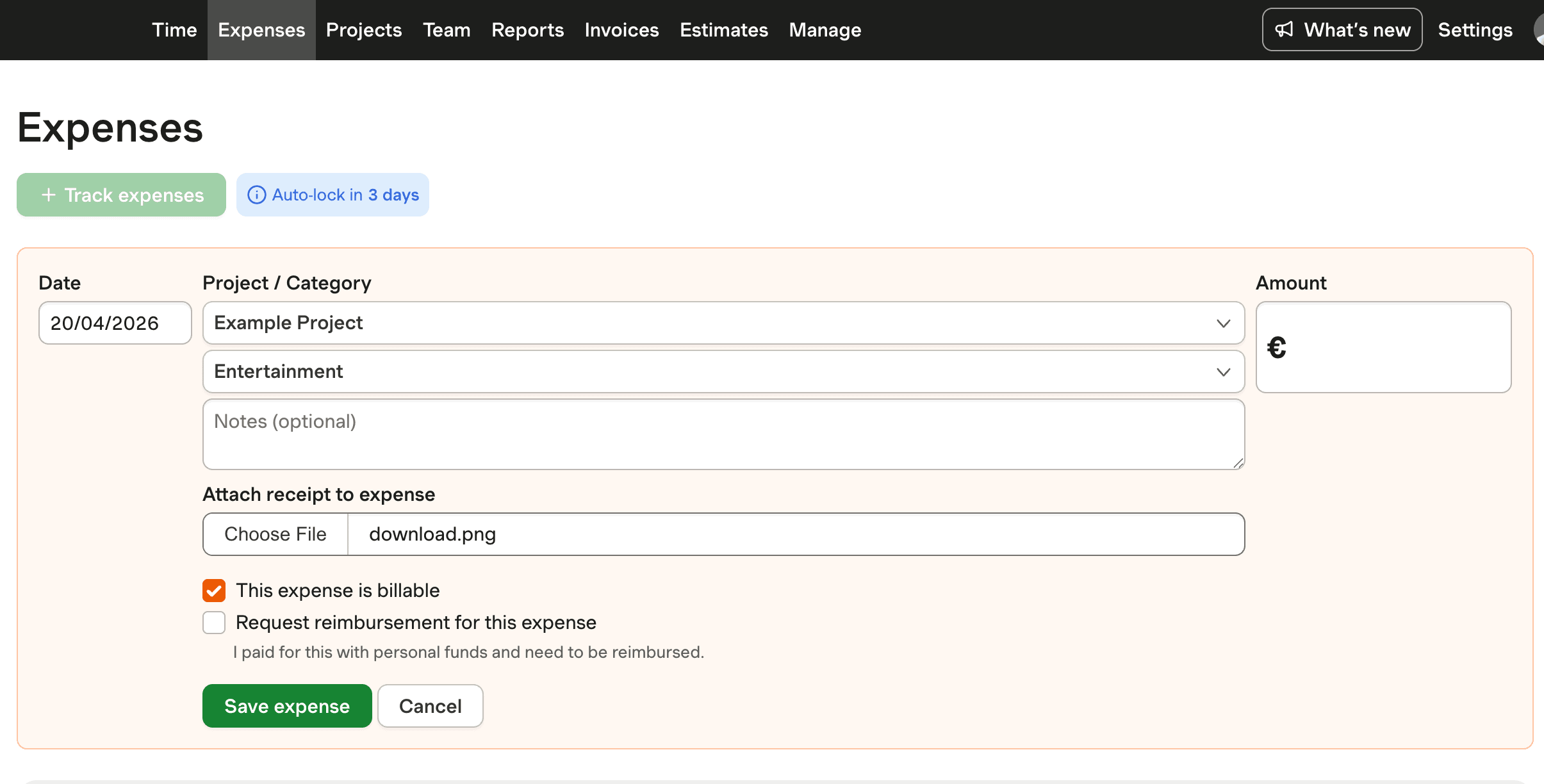
Harvest simplifies expense tracking by offering project-based expense management, ideal for small businesses needing detailed financial insights.

  • Attach receipts to projects & tasks
  • Turn tracked expenses into client invoices
  • Free 30-day trial, no credit card needed

or drag & drop • Images and PDFs, max 10 MB

The Importance of a Weekly Income and Expense Sheet

Tracking your weekly income and expenses is crucial for effective financial management. This practice not only helps clarify your spending habits but also aids in setting realistic financial goals, such as saving for a down payment or retirement. By identifying wasteful spending, you can reallocate funds towards more meaningful uses, significantly impacting your overall financial health. Harvest provides effective tools for managing such expenses, tailored to the needs of small businesses.

The evolution of expense tracking from manual record-keeping to digital solutions has made the process more efficient and accurate. With the rise of smartphones and cloud-based software, tracking expenses on the go has never been easier. For instance, healthcare clients using specialized software have reported a 35-50% reduction in expense processing time, underscoring the benefits of efficient tracking solutions.
Customizing Your Weekly Income and Expense Template

Customizing a weekly income and expense sheet to fit your specific needs can greatly enhance its effectiveness. Begin by identifying all sources of weekly income and listing fixed expenses, such as rent or utilities. Next, estimate variable costs based on past spending patterns. Assign categories to each expense and leave room for savings and unexpected costs to ensure a comprehensive view of your finances.

While Harvest focuses on project-based expense tracking, it allows for custom expense categorization tailored to small business needs, like Meals, Transport, and Mileage. This feature can be particularly beneficial for businesses needing detailed expense breakdowns for projects. By regularly reviewing and adjusting your sheet, you can maintain an accurate financial picture and stay on track with your budget.

Common Mistakes in Expense Tracking and How to Avoid Them

Avoiding common pitfalls in expense tracking can save both time and money. Mixing personal and business expenses is a frequent mistake that can complicate tax filings and lead to audit risks. It's essential to separate these to maintain clear financial records. Additionally, failing to record receipts promptly or incorrectly categorizing expenses can result in missed deductions and an inaccurate financial picture.

To prevent these errors, utilize tools that support structured expense management. For example, in the construction industry, poor expense tracking can quickly erode profit margins. Implementing structured payment schedules and using specialized project management software, like Harvest, for accurate cost estimation can mitigate these risks. By focusing on consistent categorization of expenses, businesses can ensure accurate reporting and decision-making.

Integrating Expense Tracking with Business Processes

Integrating expense tracking with existing business processes can improve efficiency and accuracy. For small businesses, using cloud-based accounting software that connects with payment gateways or CRM platforms ensures seamless data flow and reduces the need for manual entry. In healthcare, for example, integrating expense tools with Electronic Health Records (EHRs) can sync clinician IDs and tie expenses to patient encounters.

Although Harvest does not provide real-time updates or direct tax preparation integration, it excels in project-based expense tracking and invoicing. This makes it an ideal choice for small businesses that need to manage expenses alongside time tracking. By exporting detailed reports from Harvest, businesses can perform further analysis to visualize cash flow trends over time, even though Harvest itself does not offer built-in visualization tools.

Weekly Income and Expense Sheet with Harvest

See how Harvest's project-based expense tracking helps small businesses manage weekly income and expenses efficiently.

Harvest expense tracking in a weekly income and expense sheet format.

Weekly Income and Expense Sheet FAQs

  • The best way to track weekly income and expenses is to use a customizable template that suits your needs. Start by listing all sources of income and fixed expenses. Estimate variable costs, categorize expenses, and regularly review your sheet to stay on track. Using digital tools like spreadsheets or apps can streamline the process and offer greater accuracy.

  • Tracking weekly expenses is important for maintaining control over your financial health. It helps identify spending patterns, reduce unnecessary expenses, and allocate funds towards savings or essential costs. Consistent tracking provides a clearer picture of your financial situation, allowing for better budgeting and goal setting.

  • You can customize a weekly income and expense sheet by listing all income sources and categorizing your expenses into fixed and variable costs. Leave room for savings and unexpected expenses. Use tools like Harvest to create custom categories that reflect your business needs, ensuring a detailed and accurate financial overview.

  • Common mistakes in expense tracking include mixing personal and business expenses, failing to record receipts promptly, and incorrectly categorizing expenses. These can lead to missed deductions and an inaccurate financial picture. Consistent categorization and regular review can help avoid these pitfalls.

  • Harvest aids in managing project-based expenses by allowing users to create custom expense categories that align with specific business needs. This feature helps small businesses track costs accurately across different projects, ensuring detailed financial insights and supporting effective budgeting.

  • While Harvest excels in tracking expenses and time for invoicing, it does not specifically track variable income for freelancers. However, freelancers can use Harvest to manage expenses within project budgets, helping them maintain financial control.