Sign up


Select the Right Service Invoice Template
Choosing the best service invoice template for your business involves considering your specific service needs and operational flow. Service invoices differ from product invoices by focusing on time and effort rather than physical goods, often requiring detailed descriptions of tasks, hours worked, or project milestones.
- Identify Your Service Model:
- Hourly/Time & Materials: Templates should have clear sections for dates, hours, and hourly rates.
- Project-Based/Flat Fee: Focus on detailed descriptions of deliverables and project phases.
- Recurring Services: Look for templates that support consistent billing cycles.
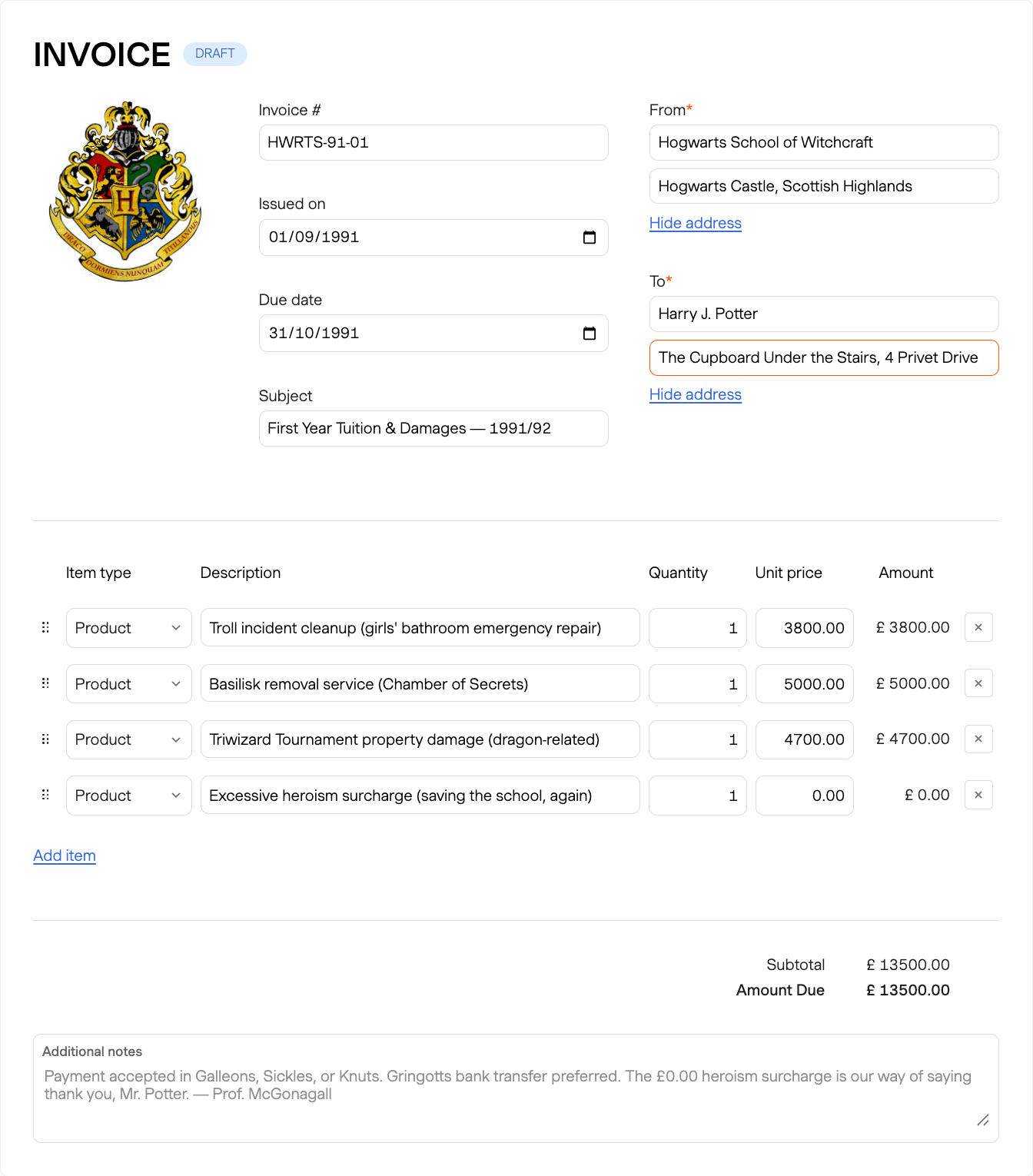
- Key Elements to Include: Every service invoice needs your business name and contact details, client information, a unique invoice number, issue and due dates, an itemized list of services with descriptions, quantities (e.g., hours), rates, and line item totals. Don't forget the subtotal, any applicable taxes, and the final total amount due.
- Practical Considerations:
- Format: Options include Word, Excel, PDF, or online invoicing tools. Excel is great for automatic calculations, while Word offers design flexibility. Online tools often provide automation and payment options.
- Scalability: Choose a template that can adapt as your business grows and your invoicing needs evolve.
- Software Compatibility: Ensure the template integrates well with your existing accounting software to streamline record-keeping and reduce manual data entry.