
Harvest
Time Tracking
Sign up free

Employee Productivity Software

Harvest is an employee productivity software that simplifies time tracking and invoicing for remote teams, helping increase efficiency and visibility.

Try Harvest Free

How much revenue is your team leaving on the table?

Most agencies run at 55-60% utilization. Even a small improvement means significant revenue. See what closing the gap looks like for your team.

Number of people who track billable time
$
Blended rate across roles (junior, senior, lead)
55%
Percentage of total hours that are billable. Industry average is 55-60%.
75%
A realistic target for service businesses is 70-80%.
Monthly revenue gap $0
Revenue at current utilization $0/mo
Revenue at target utilization $0/mo
Extra billable hours needed per person/day 0h
Annual revenue opportunity $0

Start tracking team utilization

Walk through the entire flow below. Start a timer, check your reports, and create a real invoice — all in three clicks.

Go ahead — start tracking!

One click and you're timing. Try it right here: start a timer, add an entry, edit the details. This is exactly how it feels in Harvest.

  • One-click timer from browser, desktop & mobile
  • Works inside Jira, Asana, Trello, GitHub & 50+ tools
  • Duration or start/end — your call
  • Day, week & calendar views to stay on top of it all
  • Friendly reminders so no hour gets left behind
Acme Corp
Website Redesign
Homepage layout revisions
1:24:09
Content Strategy
Blog calendar planning
1:30:00
SEO Audit
Technical audit report
0:45:00
Brand Guidelines
Color system documentation
2:15:00
Logo Concepts
Initial sketches round 1
1:00:00

The Evolving Landscape of Employee Productivity Software

Employee productivity software has rapidly evolved to meet the demands of remote and hybrid work environments. With approximately 68% of companies now using these tools, businesses are increasingly seeking ways to manage and enhance workforce performance. These tools provide benefits such as increased visibility into work patterns and improved accountability. However, they also require careful management to avoid negative impacts on employee morale and trust.

The rise of remote work has driven the adoption of productivity monitoring solutions, with 77% of remote workers reporting increased productivity. This increase in productivity can range from 13% to 24%, supporting the need for effective tools that balance oversight with autonomy. As organizations navigate this landscape, the focus is shifting to tools that not only track activities but also support employee development and well-being.
Essential Features of Modern Productivity Monitoring Tools

Modern employee productivity software is packed with features designed to optimize performance in distributed workforces. Key functionalities include time tracking, activity monitoring, and project management integration. These tools often provide detailed reports on productivity metrics, helping managers make informed decisions. Privacy and security features are also crucial, with tools adhering to regulations like the GDPR, which mandates data minimization and employee consent.

Remote-specific features such as location tracking and idle time detection are becoming standard. These capabilities help manage teams effectively across different time zones and locations. Software pricing typically ranges from $3 to $12 per user per month, with many providers offering free trials, making it easier for businesses to evaluate before committing.

Navigating the Human Element: Impact on Morale and Engagement

While productivity monitoring can enhance performance, it also poses challenges to employee morale. Studies show that 56% of monitored employees experience higher stress levels, and 43% feel it violates trust. This highlights the importance of handling these tools with care. Transparency and communication are key; employees should be informed about what data is collected and how it is used.

To mitigate negative impacts, focus should shift from mere surveillance to fostering a culture of trust and development. This approach not only reduces anxiety but also empowers employees, leading to a more engaged and productive workforce. By emphasizing outcomes over activities and utilizing data for constructive feedback, organizations can harness these tools for positive change.

Ethical Implementation: Best Practices for Building Trust

Ethically implementing productivity software requires a strategic approach. Begin by defining clear objectives for monitoring and communicating these to employees. Transparency is crucial; provide written policies and obtain consent where necessary. Ensure monitoring respects privacy by limiting it to work-related activities during working hours.

Focus on outcomes rather than micromanaging actions. Use collected data to identify training needs and support employee growth. Providing self-service dashboards can empower employees to manage their productivity. Finally, ensure data security and compliance by adhering to relevant laws like the ECPA and GDPR. A gradual rollout, starting with key departments, can help refine implementation strategies.

Legal and Regulatory Compliance in Employee Monitoring

Compliance with legal and regulatory frameworks is critical when implementing employee productivity software. In the United States, the Electronic Communications Privacy Act (ECPA) generally permits monitoring for legitimate business purposes, but often requires consent for personal devices. The National Labor Relations Act (NLRA) protects employee rights to discuss working conditions without interference from surveillance.

Internationally, the GDPR mandates consent and transparency in data collection. Employers must navigate these laws alongside state-specific regulations like California's Consumer Privacy Act (CCPA), which imposes additional requirements for processing personal information. Compliance not only avoids legal repercussions but also builds trust with employees.

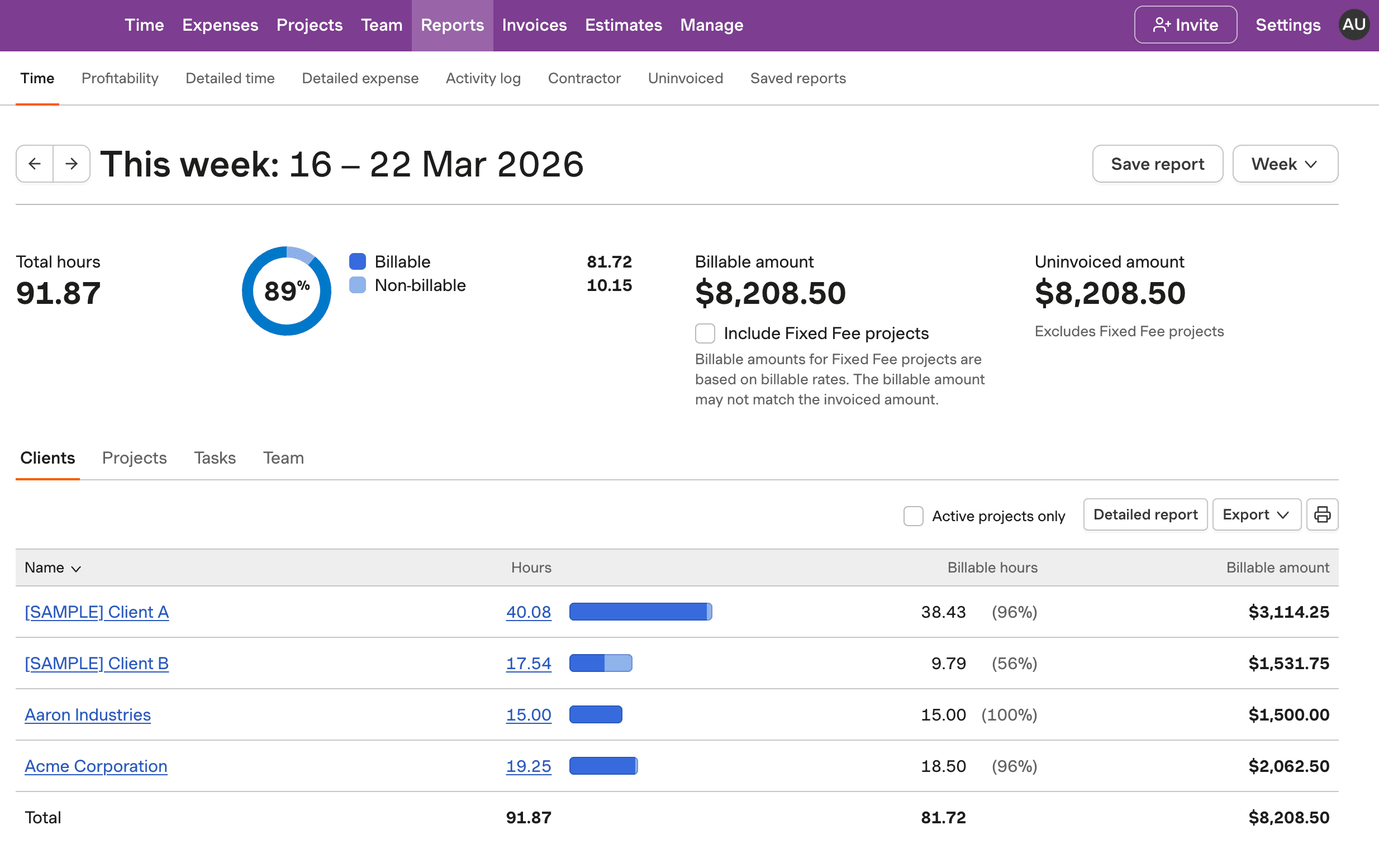
Discover Harvest Employee Productivity Software

See how Harvest tracks time and manages invoicing for remote teams, enhancing productivity and visibility.

Screenshot of Harvest employee productivity software dashboard

Employee Productivity Software FAQs

  • Essential features include time tracking, activity monitoring, and project management integration. Look for tools that offer detailed reporting, privacy compliance, and remote-specific capabilities like location tracking.

  • Monitoring can increase stress levels, with 56% of tracked employees reporting higher stress. However, transparent communication and focusing on outcomes rather than activities can mitigate negative impacts and build trust.

  • Yes, many software providers offer free trials ranging from 7 to 30 days. This allows businesses to evaluate the software's features and fit for their needs before committing to a purchase.

  • Implement tools ethically by defining clear objectives, ensuring transparency, and respecting privacy. Focus on outcomes, provide constructive feedback, and empower employees with data for self-improvement.

  • U.S. laws like the ECPA permit monitoring for business purposes, but often require consent for personal devices. The NLRA protects employees' rights to discuss working conditions without intrusive surveillance.

  • Use data to identify training needs, streamline workflows, and provide feedback. By focusing on development rather than discipline, employees can grow and contribute more effectively.

  • Metrics include time spent on tasks, project completion rates, and efficiency in meeting deadlines. Advanced tools may also track engagement levels and collaboration effectiveness.

  • Harvest integrates with popular tools like Asana, Trello, and Slack, enhancing productivity by streamlining workflow and communication within teams.

  • Yes, Harvest is versatile and can be used effectively by both remote and in-office teams, providing features that cater to different work environments and tracking needs.