
Harvest
Time Tracking
Sign up free

Future of Project Management

Harvest revolutionizes time tracking and invoicing for teams and freelancers, addressing the challenge of capturing billable hours efficiently.

Try Harvest Free

Will this project be profitable?

Estimate your project cost, set the right price, and know exactly how many hours your team can spend before margin disappears.

Total hours across all team members
$
Average rate across all roles on the project
15%
Scope creep is real. Most projects need 10-25% buffer to stay profitable.
Recommended project price $0
Base cost (before buffer) $0
Hours per person per week 0h
Weekly burn rate $0
Max hours before loss 0h

Track project hours with Harvest

Walk through the entire flow below. Start a timer, check your reports, and create a real invoice — all in three clicks.

Go ahead — start tracking!

One click and you're timing. Try it right here: start a timer, add an entry, edit the details. This is exactly how it feels in Harvest.

  • One-click timer from browser, desktop & mobile
  • Works inside Jira, Asana, Trello, GitHub & 50+ tools
  • Duration or start/end — your call
  • Day, week & calendar views to stay on top of it all
  • Friendly reminders so no hour gets left behind
Acme Corp
Website Redesign
Homepage layout revisions
1:24:09
Content Strategy
Blog calendar planning
1:30:00
SEO Audit
Technical audit report
0:45:00
Brand Guidelines
Color system documentation
2:15:00
Logo Concepts
Initial sketches round 1
1:00:00

AI and the Evolution of Project Management

The future of project management is set to be heavily influenced by Artificial Intelligence (AI). By 2030, AI is projected to handle 80% of project management tasks, drastically altering the traditional responsibilities of project managers. This shift towards AI-powered automation enables managers to focus on strategic decision-making and leadership rather than routine administrative tasks. AI can be leveraged for automated scheduling, resource optimization, and proactive risk management, all of which enhance project efficiency and outcomes.

With 51% of project professionals already incorporating AI into their workflows, and 90% of those reporting a positive ROI, the benefits are clear. As project managers increase their AI investments by 36%, understanding the integration of AI becomes crucial. Adopting AI tools that align with organizational needs will be vital in maintaining competitive advantage in the evolving landscape of project management.
Remote Work: Transforming Project Management Practices

As remote and hybrid work environments become the norm, project management practices are evolving to meet these new challenges. Currently, 61% of project managers work remotely at least part-time, and the demand for these flexible work models is only increasing. This shift necessitates the adoption of digital collaboration tools and the development of strategies to manage dispersed teams effectively.

Successful remote project management hinges on establishing clear communication channels and utilizing project management software to enhance team connectivity. With the right tools and practices, remote teams can overcome challenges such as time zone differences and maintain productivity. This evolution represents a significant opportunity for project managers to lead adaptable teams in a globalized work environment.

Evolving Methodologies in Project Management

The adoption of agile and hybrid methodologies is reshaping the future of project management. More than 89% of project professionals now use a mix of methodologies, reflecting a trend towards flexibility and adaptability. Agile methods emphasize incremental progress and continuous feedback, making them particularly suited to dynamic project environments.

With the project management software market expected to grow from $8.82 billion in 2024 to $12.02 billion by 2030, leveraging these methodologies with the aid of advanced software solutions is critical. Project managers must become adept at applying the right methodology to the right project context, ensuring that teams can respond swiftly to changes and deliver successful outcomes consistently.

The Skills Project Managers Need for the Future

In the evolving landscape of project management, developing a diverse skill set is essential. Project managers will need to blend traditional leadership skills with advanced digital and analytical competencies. As the demand for project management roles increases by 11% by 2033, those who can navigate complex digital environments will excel.

Key skills for future project managers include digital literacy, analytical thinking, and creative problem-solving. Additionally, soft skills such as communication, leadership, and conflict resolution remain crucial, especially as 90% of a project manager's time is spent communicating. Continuous learning and adaptability will define the successful project managers of the future, ensuring they are prepared to lead in an increasingly complex and technology-driven world.

Harvest: Future of Project Management

See how Harvest supports future project management with innovative time tracking and invoicing.

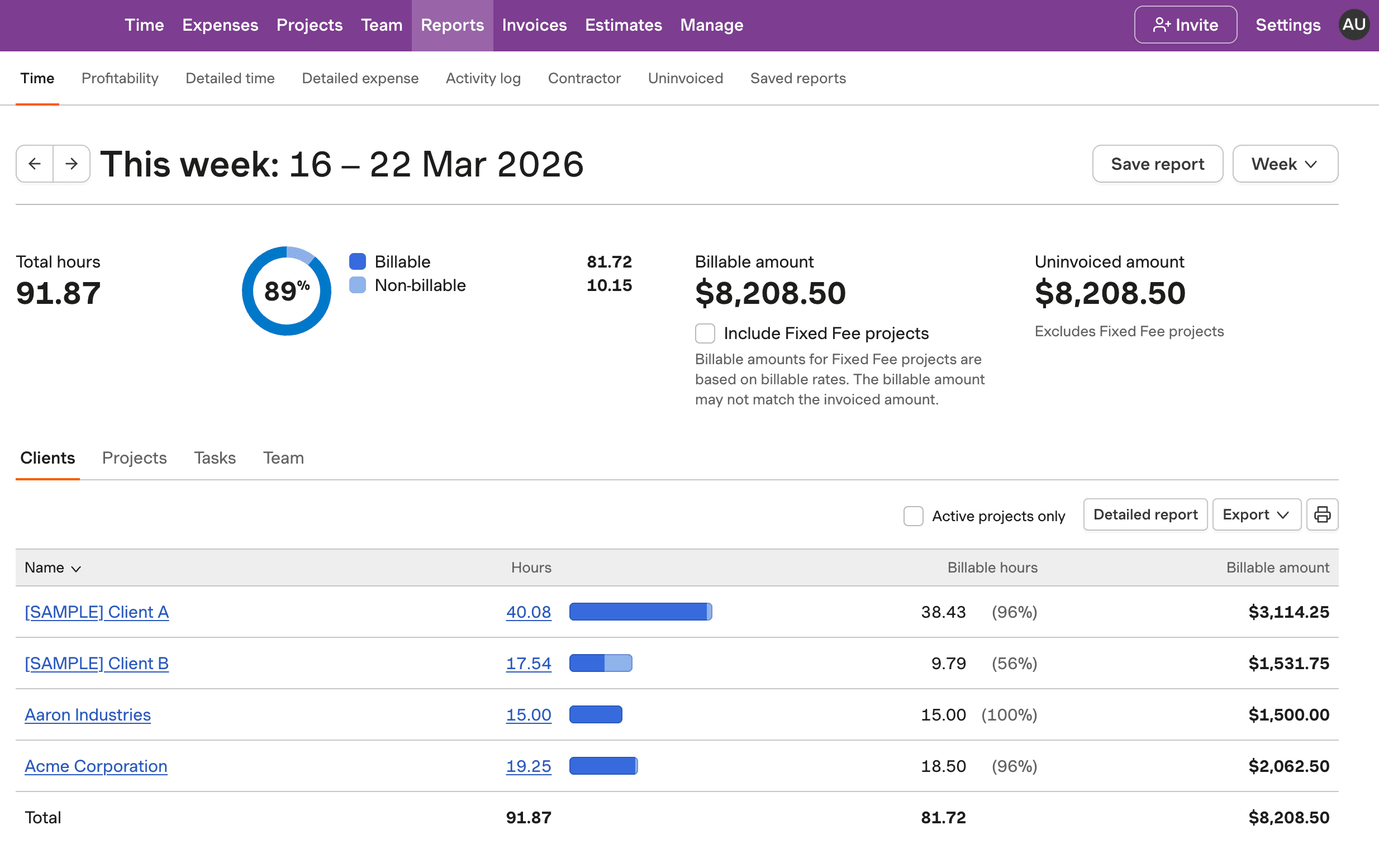
Screenshot of Harvest's time tracking and invoicing features for future project management.

Future of Project Management FAQs

  • Key trends include the integration of AI, the rise of remote work, and the adoption of agile methodologies. AI is expected to handle 80% of project management tasks by 2030, transforming traditional roles. Remote work is also growing, with 61% of project managers working remotely at least part-time. Agile methodologies are increasingly popular, with 89% of professionals using a mix of methods.

  • AI is set to revolutionize project management by taking over 80% of routine tasks by 2030. This allows project managers to focus more on strategic decision-making and leadership. AI enhances efficiency through automated scheduling, resource optimization, and proactive risk management, leading to improved project outcomes.

  • Remote work is transforming project management by necessitating new strategies for managing dispersed teams. With 61% of project managers working remotely part-time, digital collaboration tools and clear communication channels are essential. These tools help maintain productivity and connectivity across different time zones.

  • Future project managers will need a blend of digital literacy, analytical thinking, and creative problem-solving skills. Soft skills like communication and leadership remain crucial as project managers spend 90% of their time communicating. Continuous learning and adaptability will be key to navigating the evolving landscape.

  • Agile and hybrid methodologies are gaining prominence due to their flexibility and adaptability. Over 89% of project professionals use a mix of methodologies. These approaches help teams respond quickly to changes and deliver successful project outcomes in dynamic environments.

  • Data analytics provides insights that enhance decision-making, optimize resource allocation, and assess project risks proactively. By leveraging analytics, project managers can improve efficiency and outcomes, ensuring projects meet their goals and stay within budget and timelines.

  • Soft skills like communication, leadership, and conflict resolution are vital for managing teams and stakeholders effectively. As project managers spend 90% of their time communicating, these skills are essential for ensuring projects run smoothly and achieve desired outcomes.

  • Harvest facilitates efficient time tracking and invoicing, crucial for project management. It offers one-click timers, detailed reporting, and integration with popular tools, helping teams manage time effectively and maintain project budgets.