
Harvest
Time Tracking
Sign up free

Project Management With Budgeting

Harvest excels in project management with budgeting by offering real-time budget tracking and comprehensive team management, ensuring precise cost control.

Try Harvest Free

Will this project be profitable?

Estimate your project cost, set the right price, and know exactly how many hours your team can spend before margin disappears.

Total hours across all team members
$
Average rate across all roles on the project
15%
Scope creep is real. Most projects need 10-25% buffer to stay profitable.
Recommended project price $0
Base cost (before buffer) $0
Hours per person per week 0h
Weekly burn rate $0
Max hours before loss 0h

Track project hours with Harvest

Walk through the entire flow below. Start a timer, check your reports, and create a real invoice — all in three clicks.

Go ahead — start tracking!

One click and you're timing. Try it right here: start a timer, add an entry, edit the details. This is exactly how it feels in Harvest.

  • One-click timer from browser, desktop & mobile
  • Works inside Jira, Asana, Trello, GitHub & 50+ tools
  • Duration or start/end — your call
  • Day, week & calendar views to stay on top of it all
  • Friendly reminders so no hour gets left behind
Acme Corp
Website Redesign
Homepage layout revisions
1:24:09
Content Strategy
Blog calendar planning
1:30:00
SEO Audit
Technical audit report
0:45:00
Brand Guidelines
Color system documentation
2:15:00
Logo Concepts
Initial sketches round 1
1:00:00

Understanding Project Budgeting Challenges

Effective project management with budgeting is essential for delivering successful projects across industries. One of the primary challenges faced in this area is accurately estimating costs, as poor estimation can lead to significant budget overruns. For instance, in a case study, a task initially estimated at $1,800 ended up costing $2,450 due to unforeseen increases in labor rates and capital usage. This highlights the need for precise budgeting methods such as bottom-up budgeting, which can improve cost estimation accuracy by 15–30% compared to top-down approaches.

Another challenge is managing unexpected changes and risks, which can disrupt even the most well-planned budgets. To mitigate these risks, it is recommended to allocate contingency funds, typically ranging from 5% to 15% of the total project cost. These reserves act as a buffer to address unforeseen expenses, ensuring project continuity without financial strain. Harvest aids in this process by providing real-time budget tracking, allowing project managers to monitor budgetary changes and adjust forecasts as needed.
Best Practices for Project Budgeting

Successful project budgeting requires a strategic approach and adherence to best practices. Firstly, defining the project scope and objectives is crucial to prevent scope creep and ensure accurate resource allocation. Utilizing a Work Breakdown Structure (WBS) helps in this regard by breaking down the project into manageable tasks, facilitating detailed cost estimation.

Engaging stakeholders early is another best practice. Their involvement not only secures necessary approvals but also provides diverse insights that enhance budget comprehensiveness. Harvest supports this by enabling team management with permissions and approvals, fostering stakeholder participation in budget management.

Additionally, deploying robust estimation techniques such as bottom-up, top-down, and parametric methods can enhance budget accuracy. Historical data and expert insights are invaluable in refining these estimates, and Harvest excels in leveraging past project data to improve future budgeting accuracy.

Dynamic Budget Management

Project budgets are dynamic documents that require continuous updates throughout the project lifecycle. This adaptability is vital to account for changes in scope, market conditions, and unforeseen events. Regularly reviewing and adjusting forecasts is a best practice that ensures the budget remains relevant and accurate.

Harvest facilitates this dynamic management by offering real-time budget tracking. This capability allows project managers to monitor expenses against budgeted amounts, detect variances early, and take corrective actions promptly. By establishing a formal change control process for all budget alterations, teams can maintain financial control while adapting to project changes.

Furthermore, effective communication of budget assumptions and justifications is essential for transparency and stakeholder alignment. This ensures all participants are aware of constraints and rationale behind cost estimates, fostering a collaborative approach to budget management.

The Role of Stakeholders in Budgeting

Stakeholders play a crucial role in project budgeting, influencing resource allocation and decision-making. Their involvement is pivotal in the planning stages to secure alignment and approvals, which are essential for budget accuracy and feasibility. In highly regulated sectors like finance and pharmaceuticals, stakeholder involvement is also critical for ensuring compliance with legal standards and audit readiness.

Harvest aids in managing stakeholder influence by offering team management features with permissions and approvals. This functionality ensures that stakeholders can participate in budget management processes, facilitating informed decision-making and resource control. By incorporating stakeholder insights and feedback, projects can achieve a higher success rate in budget adherence and delivery.

Project Management with Harvest

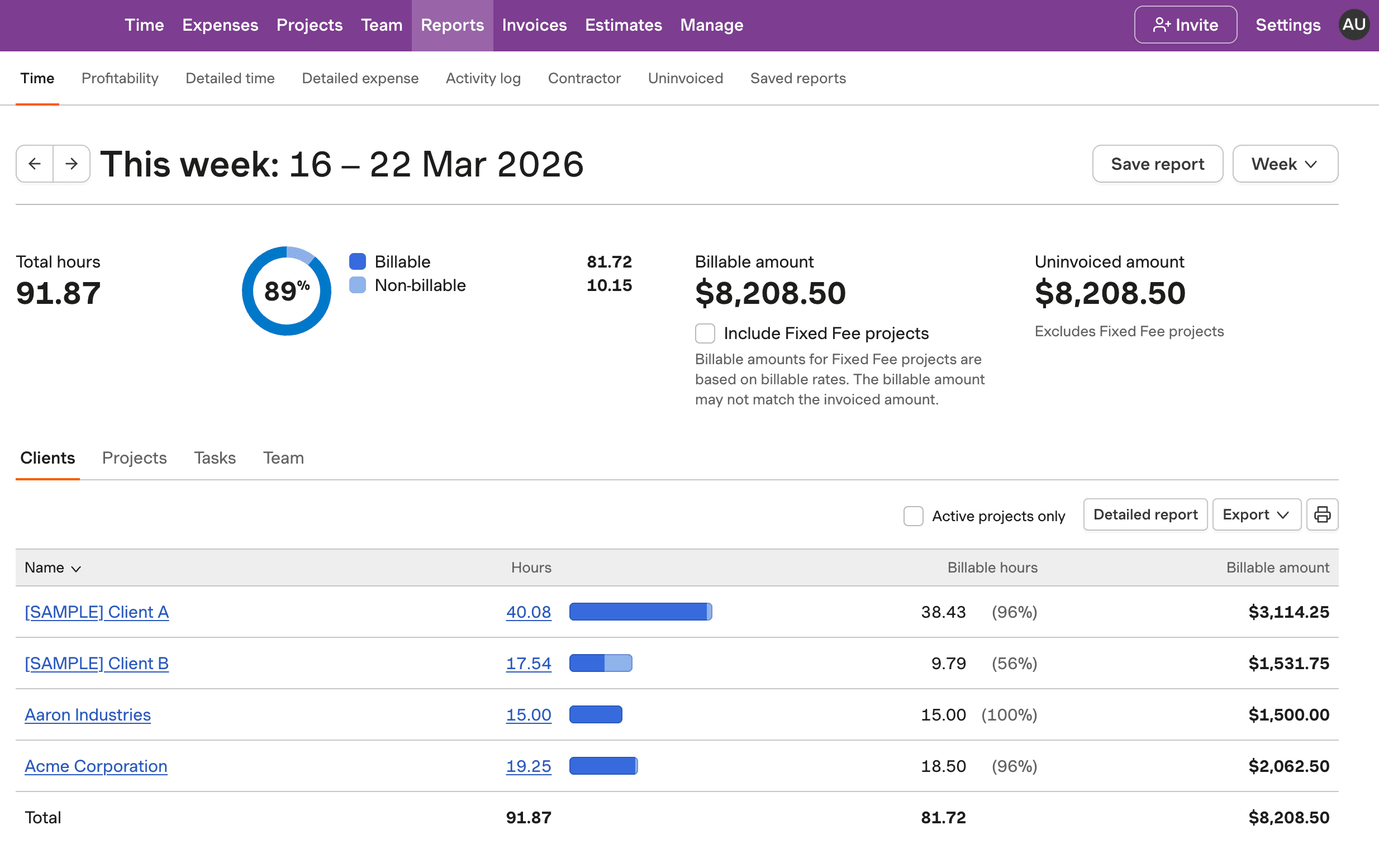
Discover how Harvest facilitates precise project budgeting with real-time tracking and stakeholder management.

Harvest dashboard for project management with budgeting.

Project Management With Budgeting FAQs

  • The best practices for project budgeting include defining clear project scope and objectives, involving key stakeholders early, and employing robust estimation techniques such as bottom-up and parametric methods. Additionally, allocating contingency funds and maintaining transparent communication are crucial.

  • Effective budget tracking involves continuous monitoring of actual expenditures against budgeted amounts. Harvest provides real-time budget tracking, allowing you to detect variances early and adjust forecasts promptly. Regular review and a formal change control process are also necessary for dynamic budget management.

  • Stakeholders are essential in budget management as they influence resource allocation and decision-making. Their involvement ensures budget accuracy and compliance with legal standards. Harvest facilitates stakeholder participation through team management features with permissions and approvals.

  • A project budget is a comprehensive financial plan that includes all estimated resources and costs required to complete a project. In contrast, a budget estimate is an initial approximation of these costs. Harvest helps distinguish between the two by tracking budget progress and remaining amounts.

  • Different industries tailor their budgeting practices to specific regulatory requirements and project complexities. For instance, highly regulated sectors like pharmaceuticals must ensure compliance with strict legal standards, impacting their budget planning and execution strategies.

  • Harvest offers real-time budget tracking capabilities, allowing project managers to monitor project budgets, profits, costs, and trends continuously. This ensures that any variances are detected early, enabling prompt corrective actions to maintain financial control.

  • Yes, Harvest leverages historical data to enhance budgeting accuracy. By analyzing past project information, Harvest helps anticipate potential problems and refine future project budget estimates, leading to more precise financial planning.