
Harvest
Time Tracking
Sign up free

What Breaks Am I Entitled to

Understand your break entitlements under federal and state laws with Harvest, ensuring you receive the compensable breaks you're owed.

Try Harvest Free

How many hours did you work this week?

Enter your clock-in and clock-out times for each day. The calculator handles breaks, overtime, and weekly totals automatically.

Day Clock In Clock Out Break Hours
Total hours this week 0h
Regular hours (≤40) 0h
Overtime hours 0h
Average hours/day 0h
Total break time 0h

Track time automatically with Harvest

Walk through the entire flow below. Start a timer, check your reports, and create a real invoice — all in three clicks.

Go ahead — start tracking!

One click and you're timing. Try it right here: start a timer, add an entry, edit the details. This is exactly how it feels in Harvest.

  • One-click timer from browser, desktop & mobile
  • Works inside Jira, Asana, Trello, GitHub & 50+ tools
  • Duration or start/end — your call
  • Day, week & calendar views to stay on top of it all
  • Friendly reminders so no hour gets left behind
Acme Corp
Website Redesign
Homepage layout revisions
1:24:09
Content Strategy
Blog calendar planning
1:30:00
SEO Audit
Technical audit report
0:45:00
Brand Guidelines
Color system documentation
2:15:00
Logo Concepts
Initial sketches round 1
1:00:00

Understanding Federal Break Laws

Federal break laws, governed by the Fair Labor Standards Act (FLSA), do not mandate employers to provide meal or rest breaks for adult employees. However, if an employer voluntarily offers short rest breaks, typically ranging from 5 to 20 minutes, these must be considered compensable work time and paid. In contrast, bona fide meal breaks, usually 30 minutes or more, are not paid unless the employee is required to work during this time. This distinction is crucial for both employers and employees to understand, ensuring compliance and fair treatment in the workplace.

The Providing Urgent Maternal Protections (PUMP) for Nursing Mothers Act, effective from December 29, 2022, is a key federal provision. It mandates that employers provide reasonable break time and a private space for nursing employees to express breast milk for up to one year after childbirth. While these breaks are generally unpaid, they must align with existing compensated break times if applicable.
State-Specific Break Requirements

While federal laws provide a baseline, state regulations often impose more specific requirements on employee breaks. For instance, California labor laws require an uninterrupted 30-minute unpaid meal break for employees working over five hours, with an additional break for shifts exceeding 10 hours. Furthermore, employees are entitled to a paid 10-minute rest break for every four hours worked. This law ensures that employees are adequately rested and compensated for shorter breaks.

Similarly, states like New York and Kentucky have their own mandates. New York requires a 30-minute lunch break for employees working 6+ hours between 11 a.m. and 2 p.m., while Kentucky mandates a paid 10-minute rest period for every four hours worked, alongside a reasonable unpaid meal break. These laws highlight the importance of understanding regional regulations to ensure lawful employment practices.

Consequences and Protections for Non-Compliance

Failure to adhere to break laws can result in severe penalties for employers, including fines and back wages. For example, an Oregon healthcare facility faced nearly $100 million in fines for persistent break violations. Such cases underscore the importance of compliance with both federal and state labor laws to avoid costly repercussions.

Employees denied their rightful breaks should document violations, including dates, times, and circumstances. If issues persist, contacting the state's Department of Labor or seeking legal counsel is advisable. Understanding and asserting one's rights can prevent exploitation and promote a fair workplace environment.

Break Rights for Special Groups

Certain employee groups, such as minors and nursing mothers, have specific break rights under labor laws. For instance, minors under 18 in Maryland must receive a 30-minute break for every five hours worked. Similarly, nursing mothers are entitled to lactation breaks under the PUMP Act, which applies to most employers unless undue hardship can be demonstrated.

Furthermore, union agreements can influence break entitlements by providing additional rights through collective bargaining. Employees in unionized environments should be aware of their contracts to understand any unique provisions beyond state or federal laws. This knowledge ensures that all employees receive their deserved breaks, tailored to their specific circumstances.

Understand Break Entitlements with Harvest

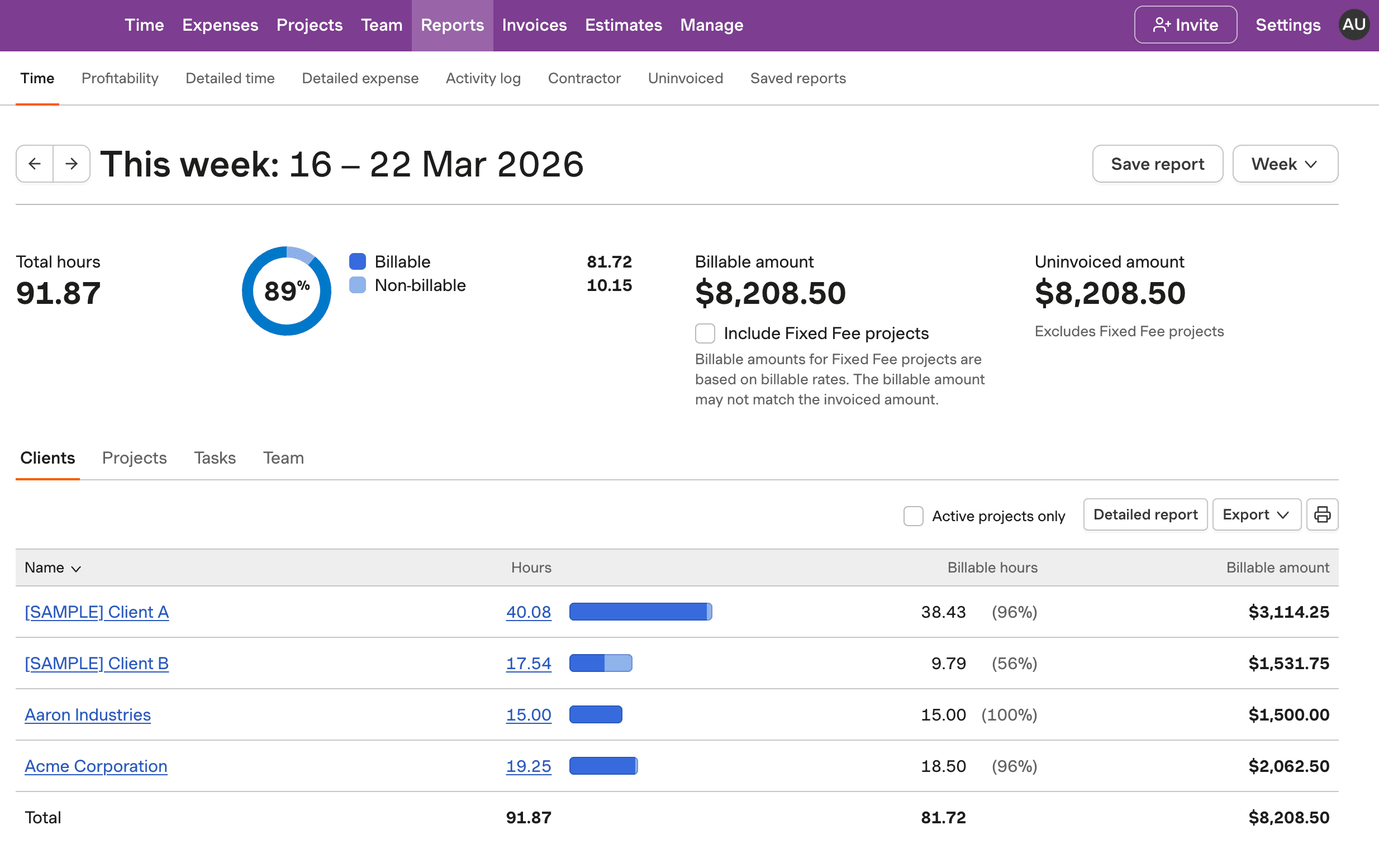
See how Harvest clarifies your break entitlements under federal and state laws, ensuring you receive compensable work time.

Harvest tool showing break entitlements under federal and state laws.

What Breaks Am I Entitled to FAQs

  • The Fair Labor Standards Act (FLSA) does not require employers to provide breaks, but if they do, short rest breaks (5-20 minutes) must be paid. Meal breaks (30+ minutes) are unpaid unless work is performed.

  • State laws often have stricter break requirements than federal law. For example, California mandates specific meal and rest breaks, while New York varies break requirements by industry. Always check state-specific laws.

  • Short rest breaks (under 20 minutes) are generally paid if provided by the employer. Meal periods (30+ minutes) are unpaid unless the employee works during the break, requiring compensation.

  • If legally mandated breaks are denied, document the issue and contact your state's Department of Labor or an employment law attorney for advice. Compliance is essential to avoid penalties.

  • Yes, industries like healthcare or retail may have specific break requirements based on state laws or union agreements. New York, for example, has varied requirements for different sectors.

  • The PUMP Act requires employers to provide nursing mothers with break time and a private space to express milk. These breaks are generally unpaid unless coinciding with a compensated break.

  • Yes, union agreements can provide additional break rights beyond state or federal laws. Employees should review their collective bargaining agreements for specific provisions.

  • Minors often have specific break laws, such as in Maryland, where they must receive a 30-minute break for every five hours worked. These laws ensure adequate rest for young workers.

  • Employers can face significant fines, back wages, and lawsuits for violating break laws. Compliance with federal and state regulations is crucial to avoid these penalties.