
Harvest
Time Tracking
Sign up free

Project Budget Tracker in Sweden

Facing complex financial regulations and high project costs? Harvest offers a project budget tracker tailored for Sweden, easing compliance and cost management.

Try Harvest Free

Will this project be profitable?

Estimate your project cost, set the right price, and know exactly how many hours your team can spend before margin disappears.

Total hours across all team members
$
Average rate across all roles on the project
15%
Scope creep is real. Most projects need 10-25% buffer to stay profitable.
Recommended project price $0
Base cost (before buffer) $0
Hours per person per week 0h
Weekly burn rate $0
Max hours before loss 0h

Track project hours with Harvest

Walk through the entire flow below. Start a timer, check your reports, and create a real invoice — all in three clicks.

Go ahead — start tracking!

One click and you're timing. Try it right here: start a timer, add an entry, edit the details. This is exactly how it feels in Harvest.

  • One-click timer from browser, desktop & mobile
  • Works inside Jira, Asana, Trello, GitHub & 50+ tools
  • Duration or start/end — your call
  • Day, week & calendar views to stay on top of it all
  • Friendly reminders so no hour gets left behind
Acme Corp
Website Redesign
Homepage layout revisions
1:24:09
Content Strategy
Blog calendar planning
1:30:00
SEO Audit
Technical audit report
0:45:00
Brand Guidelines
Color system documentation
2:15:00
Logo Concepts
Initial sketches round 1
1:00:00

Understanding the Financial Landscape for Project Budgeting in Sweden

To successfully manage project budgets in Sweden, it is essential to comprehend the local financial landscape. This includes understanding key regulations and typical costs that impact project planning. For instance, employer contributions, known as Arbetsgivaravgifter, are significant, with a standard rate of 31.42% of gross salary and benefits applicable in 2026. This rate includes old-age pension and sickness insurance, among others. Additionally, VAT, or Moms, is another critical factor, with a standard rate of 25% on most goods and services, and reduced rates of 12% and 6% for specific categories such as food and restaurant services.

Swedish accounting standards, dictated by the K-frameworks (K1 to K4), are also pivotal in financial planning. Companies must choose a framework based on complexity and operational size, with K2 being suitable for smaller entities and K3 offering more comprehensive guidelines. Familiarity with these standards ensures compliance and accurate financial reporting.
Navigating Financial Regulations and Compliance in Sweden

Successful project budgeting in Sweden requires a deep understanding of financial regulations and compliance. Employer contributions are a key consideration, with varying rates based on employee age and specific circumstances, such as temporary reductions for young workers from April 2026 to September 2027. Additionally, companies may benefit from "Växa-stöd," a support scheme offering reduced rates for small businesses hiring their first employee.

Value-added tax (VAT) regulations are intricate, especially in the construction and real estate sectors, where incorrect application can significantly affect project margins. Companies must apply the correct VAT rates, ranging from a standard 25% to reduced rates for specific services, and understand exemptions available in sectors like healthcare and education. Furthermore, leveraging the EU's PSD2 directive allows for automated bank integration, enhancing budget tracking with real-time data.

Estimating and Managing Project Costs in Sweden

Accurate cost estimation is a cornerstone of effective project budgeting in Sweden. Salaries are a major component, with the average gross monthly salary for a project manager being approximately 52,000 SEK nationwide, and higher in Stockholm. Office rents also vary significantly by location, with Stockholm's central business district averaging between 5,500 and 7,000 SEK per square meter, compared to lower rates in Gothenburg and Malmö.

Electricity costs are another critical expense, particularly for SMEs, where prices can reach 2.4 SEK per kWh. IT projects, which accounted for a substantial portion of Sweden's 215.7 billion SEK in IT expenditures in 2021, often incur hidden costs such as training and data integration. Incorporating these variables into the budget, along with establishing a risk budget to cover unforeseen expenses, is vital for maintaining financial control.

Tools and Best Practices for Effective Budget Tracking in Sweden

To effectively track project budgets in Sweden, utilizing tools that accommodate local financial practices is crucial. Key features include multi-currency support, VAT handling, and integration with Swedish banks through PSD2 for automated transaction feeds. A systematic approach to budgeting involves defining clear goals, engaging stakeholders for accurate cost estimates, and categorizing expenses.

Monitoring expenses against the budget and making adjustments as necessary is a best practice. Regular updates ensure that the budget reflects current project realities, while adherence to Swedish K-frameworks ensures compliance. Documenting all financial transactions and decisions fosters transparency and facilitates auditing, further securing financial governance.

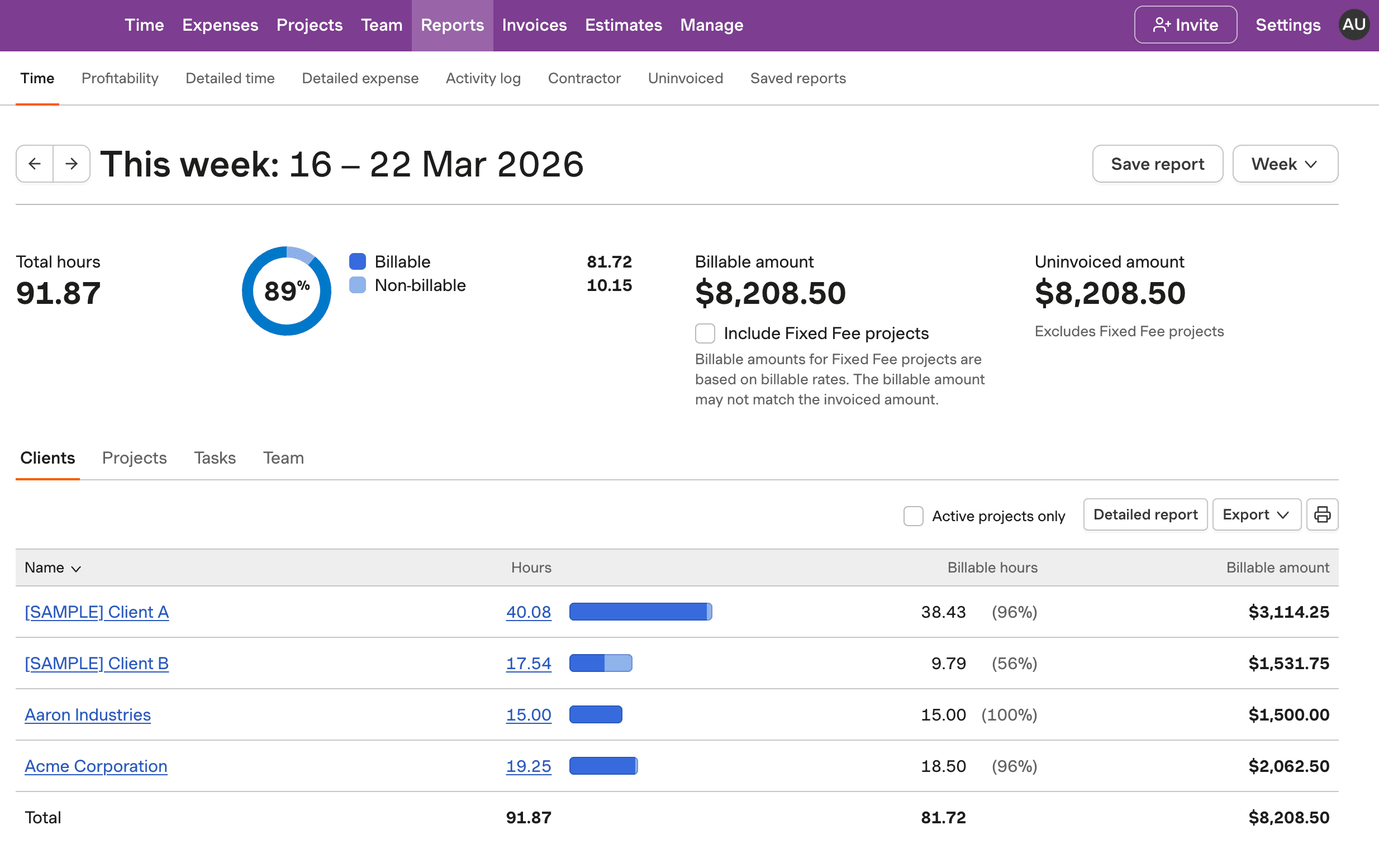
Harvest Project Budget Tracker

The preview shows Harvest's project budget tracker, ideal for managing budgets in Sweden, integrating local financial insights.

Harvest project budget tracker interface for Sweden

Project Budget Tracker in Sweden FAQs

  • Typical project costs in Sweden include salaries, with project managers earning around 52,000 SEK per month nationally. Office rents in Stockholm average 5,500-7,000 SEK per square meter, while SMEs face electricity costs of approximately 2.4 SEK per kWh. It's crucial to factor in these regional differences when budgeting.

  • VAT in Sweden significantly impacts project budgeting, with a standard rate of 25% on most goods and services. Reduced rates of 12% and 6% apply to specific sectors, such as food and restaurant services. Correct application of these rates is vital to maintaining project margins, especially in complex sectors like construction.

  • In Sweden, the EU's PSD2 directive enables seamless integration of bank accounts for budget tracking. With explicit customer consent, tools can access payment accounts to automate transaction feeds, enhancing real-time data accuracy and reconciliation for project budgets.

  • The average salary for a project manager in Sweden is approximately 52,000 SEK per month. Salaries in Stockholm are typically higher, averaging 55,640 SEK per month, reflecting the city's elevated cost of living. Experience level also influences pay, with senior managers earning significantly more.

  • A project budget tracker tailored for Sweden helps manage complex financial regulations and costs. It offers features like multi-currency support, VAT handling, and automated bank integration, ensuring accurate tracking and compliance with local practices.

  • In Sweden, key financial regulations include employer contributions, or Arbetsgivaravgifter, and VAT rules. These regulations influence project costs significantly. Additionally, compliance with Swedish K-frameworks is essential for financial reporting.

  • To manage hidden IT costs, such as training and system integration, include them in the initial budget estimates. Regular monitoring and adjustments ensure these expenses are accounted for, maintaining project financial health.