
Harvest
Time Tracking
Sign up free

Project Management Skills

Harvest excels in project tracking and budget management, ensuring projects stay on track and within budget, addressing the critical issue of project failure.

Try Harvest Free

Will this project be profitable?

Estimate your project cost, set the right price, and know exactly how many hours your team can spend before margin disappears.

Total hours across all team members
$
Average rate across all roles on the project
15%
Scope creep is real. Most projects need 10-25% buffer to stay profitable.
Recommended project price $0
Base cost (before buffer) $0
Hours per person per week 0h
Weekly burn rate $0
Max hours before loss 0h

Track project hours with Harvest

Walk through the entire flow below. Start a timer, check your reports, and create a real invoice — all in three clicks.

Go ahead — start tracking!

One click and you're timing. Try it right here: start a timer, add an entry, edit the details. This is exactly how it feels in Harvest.

  • One-click timer from browser, desktop & mobile
  • Works inside Jira, Asana, Trello, GitHub & 50+ tools
  • Duration or start/end — your call
  • Day, week & calendar views to stay on top of it all
  • Friendly reminders so no hour gets left behind
Acme Corp
Website Redesign
Homepage layout revisions
1:24:09
Content Strategy
Blog calendar planning
1:30:00
SEO Audit
Technical audit report
0:45:00
Brand Guidelines
Color system documentation
2:15:00
Logo Concepts
Initial sketches round 1
1:00:00

The Foundation: Essential Project Management Skills

The essential skills for project management are crucial for ensuring project success and career advancement. Among these, soft skills such as communication, leadership, problem-solving, adaptability, and emotional intelligence are paramount. Project managers spend between 75% and 90% of their time communicating, highlighting the importance of clear and effective communication to prevent the 57% of project failures attributed to communication breakdowns.

On the other hand, hard skills include planning, risk management, budgeting, scheduling, and technical proficiency. Projects are 2.5 times more successful when robust project management practices are implemented, emphasizing the need for a balanced skill set. Furthermore, technical skills are prioritized by 68% of organizations in talent development, while 65% focus on enhancing leadership skills. Mastering both soft and hard skills prepares project managers to lead teams effectively and navigate complex project challenges.
Cultivating Competence: Developing Project Management Skills

Developing project management skills requires a strategic approach combining formal education, practical experience, and continuous learning. Certification, such as the Project Management Professional (PMP), significantly boosts earning potential, with PMP holders earning 33% more on average than their non-certified counterparts. This credential is mandated by 51% of organizations, underscoring its value in career progression.

To enhance competencies, project managers should engage in continuous learning to stay abreast of industry trends and technologies. Leveraging project management tools and software enhances skills, with 54% of project managers using AI for risk management. Participating in mentorship programs and acquiring hands-on experience further solidify one's expertise, enabling managers to lead projects to successful completion more consistently.

Driving Success: The Critical Roles of Communication and Leadership

Effective communication and leadership are critical components of successful project management. Communication is linked to a 17% increase in projects finishing within budget. This highlights the necessity of active listening, clarity in messaging, and tailoring communication to diverse audiences to maintain project alignment.

Leadership involves vision-setting, motivating teams, and making strategic decisions. Strong leaders inspire their teams, fostering a positive environment that boosts productivity and morale. Organizations waste an estimated $1 million every 20 seconds globally due to weak project management practices, illustrating the impact of leadership and communication in reducing these inefficiencies. By cultivating these skills, project managers can drive better outcomes and enhance organizational success.

From Theory to Practice: Applying Project Management Skills

Applying project management skills in real-world scenarios requires a methodical approach. Projects traditionally follow five stages: Initiation, Planning, Execution, Monitoring and Controlling, and Closing. Each stage demands a unique set of skills and best practices to ensure progress and success.

For instance, strategic project planning involves defining scope and goals, creating detailed plans, and aligning stakeholders early. Furthermore, effective execution and monitoring include breaking down the scope into manageable tasks and routinely checking performance against metrics. By employing these strategies and addressing common challenges like scope creep and stakeholder expectations, project managers can apply their skills to achieve tangible, successful outcomes in both professional and personal projects.

Master Project Management Skills with Harvest

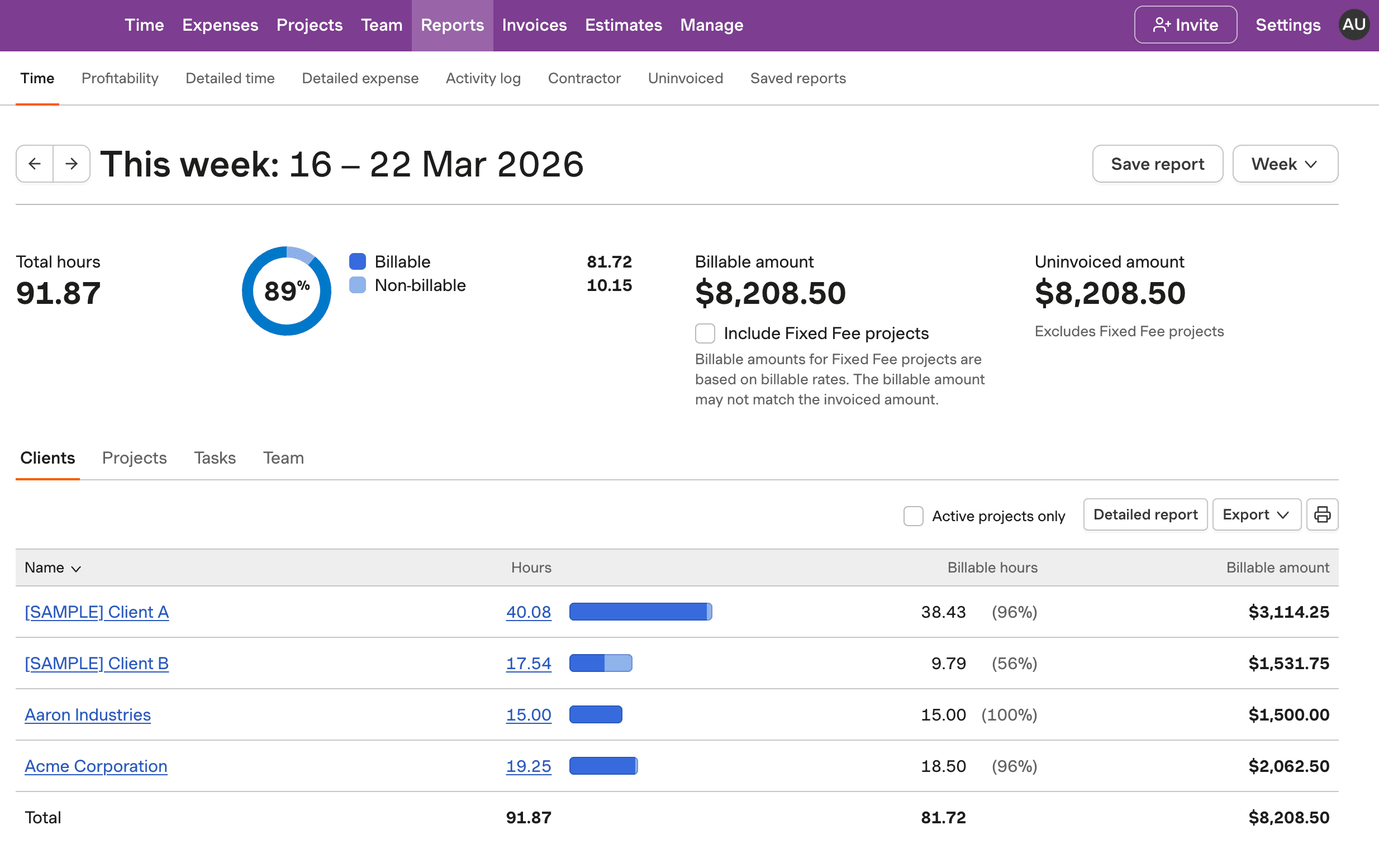
See how Harvest helps you track projects and manage budgets effectively, ensuring success in project management.

Screenshot of Harvest's project tracking and budget management features.

Project Management Skills FAQs

  • Essential skills for project managers include both soft skills like communication, leadership, and problem-solving, and hard skills like planning, risk management, and budgeting. A balanced skill set is crucial for project success.

  • Develop project management skills through formal education, certifications like PMP, practical experience, and continuous learning. Engaging with mentors and using project management tools can also enhance your skills.

  • Communication is vital in project management, as it ensures alignment and prevents misunderstandings. About 57% of project failures are due to communication breakdowns, underscoring its critical role in success.

  • Leadership in project management involves setting a vision, motivating teams, and making strategic decisions. Strong leadership fosters a positive environment and enhances project outcomes.

  • Apply project management skills by following the project lifecycle stages: initiation, planning, execution, monitoring, and closing. Employ best practices like clear scope definition and stakeholder alignment to ensure success.

  • Harvest helps prevent project failure by providing tools for tracking budgets and project progress. This allows for effective monitoring and timely interventions to keep projects on track.

  • Yes, Harvest allows you to track expenses with receipt capture, making it easier to manage project budgets and keep financial records accurate.