
Harvest
Time Tracking
Sign up free

Project Deadline Tracking

Harvest revolutionizes project deadline tracking by providing tools that help teams meet their timelines effectively, reducing delays by 14% and increasing project success rates by 22%.

Try Harvest Free

Will this project be profitable?

Estimate your project cost, set the right price, and know exactly how many hours your team can spend before margin disappears.

Total hours across all team members
$
Average rate across all roles on the project
15%
Scope creep is real. Most projects need 10-25% buffer to stay profitable.
Recommended project price $0
Base cost (before buffer) $0
Hours per person per week 0h
Weekly burn rate $0
Max hours before loss 0h

Track project hours with Harvest

Walk through the entire flow below. Start a timer, check your reports, and create a real invoice — all in three clicks.

Go ahead — start tracking!

One click and you're timing. Try it right here: start a timer, add an entry, edit the details. This is exactly how it feels in Harvest.

  • One-click timer from browser, desktop & mobile
  • Works inside Jira, Asana, Trello, GitHub & 50+ tools
  • Duration or start/end — your call
  • Day, week & calendar views to stay on top of it all
  • Friendly reminders so no hour gets left behind
Acme Corp
Website Redesign
Homepage layout revisions
1:24:09
Content Strategy
Blog calendar planning
1:30:00
SEO Audit
Technical audit report
0:45:00
Brand Guidelines
Color system documentation
2:15:00
Logo Concepts
Initial sketches round 1
1:00:00

The Foundation of Timely Delivery: Strategic Planning and Realistic Deadlines

Only 35% of projects finish on time and within budget, highlighting the necessity for strategic planning and realistic deadlines. A well-defined project plan is crucial as it sets the direction for successful delivery. Start by identifying project objectives and breaking down the scope into manageable tasks. Use the Work Breakdown Structure (WBS) to map dependencies and sequencing, ensuring each task is clearly defined with achievable deadlines. Incorporating buffer time can help mitigate risks and unexpected delays.

Estimation plays a vital role in setting realistic deadlines. Consider using "scheduling in reverse," where you work backward from the final deadline to determine feasible start dates for each task. This method ensures that critical paths are identified, preventing delays in crucial areas. Statistically, high-maturity organizations, which are 2.5 times more likely to use standardized practices, see significantly better project success rates, with 67% meeting their timelines compared to 30% of others.
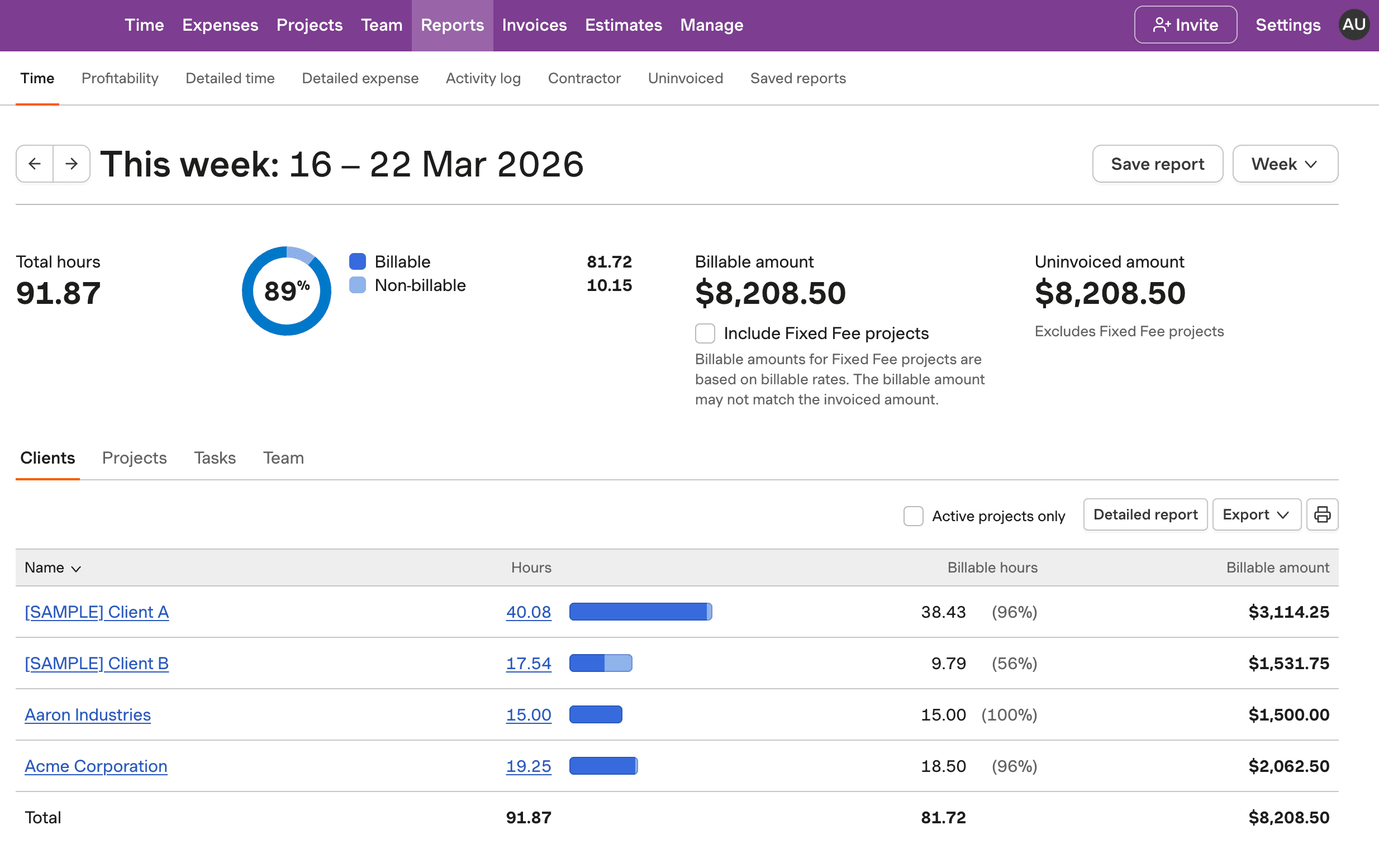
Tools and Techniques for Visualizing and Tracking Progress

Effective visualization tools are essential for managing multiple project deadlines. Only 29% of organizations consistently complete projects on time, highlighting the need for robust tracking solutions. Gantt charts and Kanban boards are popular options for visualizing timelines and task statuses. Project calendars and dashboards provide a comprehensive view of deadlines, allowing for real-time progress monitoring.

These tools help teams stay aligned and provide automated updates to stakeholders, minimizing the risk of communication breakdowns, which cause 56% of project failures. Utilizing project tracking templates, whether as spreadsheets or within dedicated software, can streamline processes and improve transparency. Organizations that implement project time tracking tools report a 22% increase in project success rates and experience 14% fewer delays.

Overcoming Common Hurdles: Strategies for Effective Deadline Management

Effective deadline management addresses common hurdles such as scope creep, unrealistic expectations, and resource constraints. Procrastination and poor communication also contribute to project failures, which occur in 70% of projects worldwide. Prioritization is key; use methods like the Eisenhower Matrix to focus on tasks based on urgency and importance, especially those on the critical path.

Clear communication and stakeholder engagement are essential. Involving the team in the planning phase enhances commitment and estimate accuracy, while regular updates keep everyone informed and accountable. Building a culture of ownership within the team fosters accountability, reducing the likelihood of missed deadlines. Organizations globally waste $1 million every 20 seconds due to weak project management, underscoring the need for proactive risk management strategies.

Specialized Considerations: Adapting to Industry and Regulatory Demands

Project deadline tracking must adapt to specific industry and regulatory demands. For instance, IT projects often use Agile methodologies, which require flexible due dates and tools like Kanban boards. In contrast, regulatory projects operate under rigid deadlines, where missing them can lead to severe consequences such as noncompliance and reputational damage.

In the healthcare industry, strict regulations like HIPAA and FDA standards necessitate precise project management to meet tight deadlines. Similarly, construction projects frequently experience cost overruns and delays, with 90% surpassing budgets due to poor cost estimation. Tailoring deadline tracking strategies to industry-specific challenges ensures compliance and enhances project success rates.

Project Deadline Tracking with Harvest

See how Harvest helps manage multiple project deadlines effectively, boosting success rates and reducing delays.

Harvest interface showing project deadline tracking features.

Project Deadline Tracking FAQs

  • Tools like Gantt charts, Kanban boards, and project calendars are ideal for tracking multiple deadlines. They provide visualization of timelines and task statuses, aiding in real-time progress monitoring. Harvest offers integrations with these visualization tools to enhance deadline management.

  • Effective visualization of project deadlines can be achieved through tools like Gantt charts and Kanban boards. These tools allow you to map out timelines and task dependencies, providing a clear overview of progress. Real-time dashboards and project calendars further assist in keeping track of multiple deadlines simultaneously.

  • Improving deadline management involves strategic planning, prioritization, and clear communication. Techniques such as scheduling in reverse, setting buffer times, and using prioritization matrices like the Eisenhower Matrix can enhance task management and prevent delays. Involving the team in planning also boosts commitment and accuracy.

  • Harvest aids in managing project deadlines by offering integration with visualization tools and providing detailed time tracking reports. These features enable teams to monitor progress, identify bottlenecks, and adapt plans in real-time, thereby reducing delays and increasing the likelihood of on-time project completion.

  • Yes, there are many free templates available for project tracking, including Gantt charts and Kanban board templates. These templates can be customized to fit specific project needs, helping teams to organize tasks and deadlines effectively. Harvest supports integration with various templates to streamline project management.

  • Common challenges include scope creep, unrealistic deadlines, and resource constraints. Effective communication and stakeholder alignment are crucial in overcoming these hurdles. Utilizing time tracking tools like Harvest can minimize delays and enhance deadline adherence.

  • Incorporating buffer time involves estimating potential risks and adding additional time to tasks to account for unforeseen delays. This strategy helps maintain project timelines and reduces the likelihood of missed deadlines. Scheduling in reverse can be particularly effective in identifying where buffer time is most needed.

  • Yes, Harvest integrates seamlessly with tools like Asana, Trello, and more, enhancing deadline tracking capabilities. These integrations allow teams to visualize project timelines and track task progress efficiently, ensuring that all deadlines are met.