
Harvest
Time Tracking
Sign up free

Track Project Costs

Harvest is a leading tool for tracking project costs, offering comprehensive solutions that address the prevalent issue of budget overruns, experienced by 85% of projects.

Try Harvest Free

Will this project be profitable?

Estimate your project cost, set the right price, and know exactly how many hours your team can spend before margin disappears.

Total hours across all team members
$
Average rate across all roles on the project
15%
Scope creep is real. Most projects need 10-25% buffer to stay profitable.
Recommended project price $0
Base cost (before buffer) $0
Hours per person per week 0h
Weekly burn rate $0
Max hours before loss 0h

Track project hours with Harvest

Walk through the entire flow below. Start a timer, check your reports, and create a real invoice — all in three clicks.

Go ahead — start tracking!

One click and you're timing. Try it right here: start a timer, add an entry, edit the details. This is exactly how it feels in Harvest.

  • One-click timer from browser, desktop & mobile
  • Works inside Jira, Asana, Trello, GitHub & 50+ tools
  • Duration or start/end — your call
  • Day, week & calendar views to stay on top of it all
  • Friendly reminders so no hour gets left behind
Acme Corp
Website Redesign
Homepage layout revisions
1:24:09
Content Strategy
Blog calendar planning
1:30:00
SEO Audit
Technical audit report
0:45:00
Brand Guidelines
Color system documentation
2:15:00
Logo Concepts
Initial sketches round 1
1:00:00

Laying the Financial Groundwork: Project Budgeting and Estimation

Accurately tracking project costs begins with robust budgeting and estimation practices. A project budget is an approved financial plan developed after defining the project scope, distinguishing it from initial estimates. Establishing a clear project scope and a detailed Work Breakdown Structure (WBS) is crucial for accurate cost identification. This helps in outlining all tasks, deliverables, and associated costs, ensuring a comprehensive financial overview.

Various cost estimation techniques, such as analogous, parametric, bottom-up, and three-point estimation, offer tailored approaches for different project phases. For instance, bottom-up estimation, which aggregates costs for each task, provides the highest accuracy, albeit requiring more detailed information and time. Including a contingency reserve—typically 10-20% of the total budget—ensures preparedness for unforeseen expenses. Documenting all assumptions and validating estimates through peer reviews and alternative methods further strengthens the budgeting process.
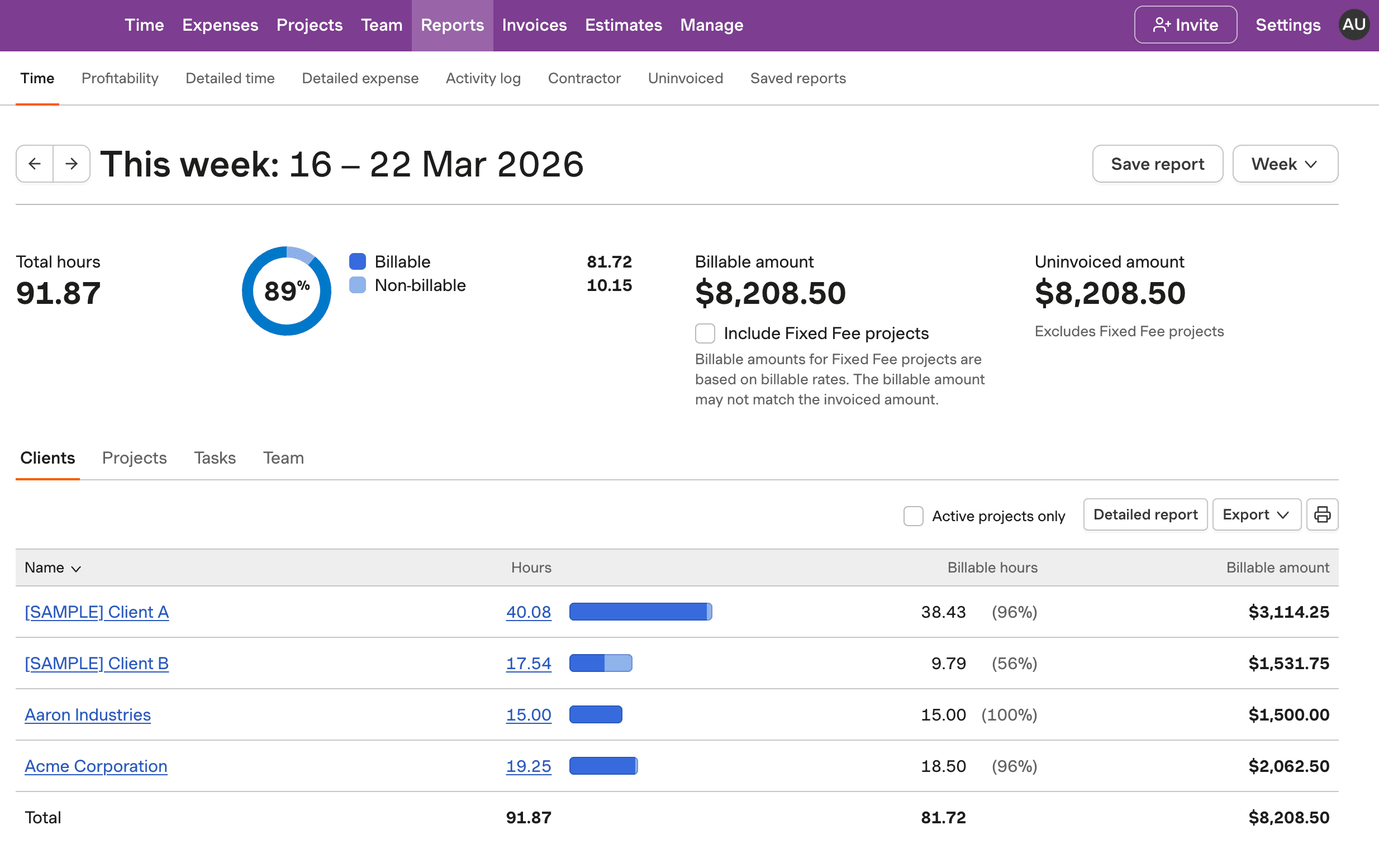
Dynamic Cost Control: Monitoring, Tracking, and Variance Analysis

Effective project cost tracking hinges on dynamic monitoring and variance analysis. Establishing a cost baseline provides a benchmark against which all financial performance is measured. Real-time tracking mechanisms, including timesheets for labor and automated expense tracking, are essential for identifying potential budget overruns early.

Utilizing Earned Value Management (EVM) offers an objective assessment, integrating scope, schedule, and cost. Key metrics like Planned Value (PV), Earned Value (EV), and Actual Cost (AC) help in evaluating project performance. Calculating Cost Performance Index (CPI) and Schedule Performance Index (SPI) further gauges efficiency, with a CPI below 1.0 indicating a budget overrun. Regularly comparing actual costs against budgeted figures and adjusting forecasts as needed maintains project financial health.

Empowering Efficiency: Tools and Technology for Cost Tracking

Transitioning to automated, cloud-based cost tracking solutions enhances efficiency and reduces manual errors. These platforms often integrate with project management and accounting systems, streamlining data flow and minimizing administrative overhead. Key features include real-time tracking, budgeting, expense management, forecasting, and reporting capabilities.

Automating repetitive tasks like expense categorization and report generation not only saves time but also improves accuracy. By seamlessly connecting cost tracking with other project management tools, teams can ensure consistent data updates and foster informed decision-making. This technological shift is crucial for managing complex projects and maintaining profitability.

Track Project Costs with Harvest

See how Harvest tracks project costs and manages budgets to prevent common budget overruns experienced by 85% of projects.

Harvest interface for tracking project costs

Track Project Costs FAQs

  • Establishing a project budget involves defining the project scope, breaking down tasks using a Work Breakdown Structure (WBS), estimating costs for each component, and including a contingency fund. Stakeholder approval is essential to finalize the budget.

  • Common challenges include poor tracking leading to budget overruns, with 50.1% of organizations affected, and inaccurate forecasting, reported by 47% of companies. Implementing real-time tracking and variance analysis can mitigate these issues.

  • Harvest aids in cost tracking by providing time tracking and invoicing capabilities, ensuring accurate billing and expense management. While not specific to cost tracking, these features support financial oversight.

  • Earned Value Management (EVM) is a technique that integrates scope, schedule, and cost to objectively measure project performance. It uses metrics like Planned Value (PV), Earned Value (EV), and Actual Cost (AC) to assess efficiency.

  • Accurate cost estimation is crucial for making informed decisions about project viability and resource allocation. It helps maintain profitability and prevent budget overruns, which affect up to 85% of projects.

  • Automated cost tracking tools reduce manual errors and administrative overhead. They provide real-time tracking, integrate with other systems, and automate tasks like expense categorization and report generation, enhancing efficiency.

  • Using historical data from similar projects allows for more realistic and accurate cost estimates. It helps in forecasting future budgets and monitoring current spending against historical trends.

  • A project estimate is a preliminary forecast of expected costs, created during early planning. A project budget is an approved financial plan developed after the scope is defined and approved, serving as a spending guide.