
Harvest
Time Tracking
Sign up free

Deep Work Tracker

Harvest offers customizable timers that support deep work by aligning sessions with your peak energy times, minimizing distractions, and providing detailed time tracking.

Try Harvest Free

How much revenue is your team leaving on the table?

Most agencies run at 55-60% utilization. Even a small improvement means significant revenue. See what closing the gap looks like for your team.

Number of people who track billable time
$
Blended rate across roles (junior, senior, lead)
55%
Percentage of total hours that are billable. Industry average is 55-60%.
75%
A realistic target for service businesses is 70-80%.
Monthly revenue gap $0
Revenue at current utilization $0/mo
Revenue at target utilization $0/mo
Extra billable hours needed per person/day 0h
Annual revenue opportunity $0

Start tracking team utilization

Walk through the entire flow below. Start a timer, check your reports, and create a real invoice — all in three clicks.

Go ahead — start tracking!

One click and you're timing. Try it right here: start a timer, add an entry, edit the details. This is exactly how it feels in Harvest.

  • One-click timer from browser, desktop & mobile
  • Works inside Jira, Asana, Trello, GitHub & 50+ tools
  • Duration or start/end — your call
  • Day, week & calendar views to stay on top of it all
  • Friendly reminders so no hour gets left behind
Acme Corp
Website Redesign
Homepage layout revisions
1:24:09
Content Strategy
Blog calendar planning
1:30:00
SEO Audit
Technical audit report
0:45:00
Brand Guidelines
Color system documentation
2:15:00
Logo Concepts
Initial sketches round 1
1:00:00

Understanding Deep Work and Its Value

Deep work is defined as professional activities performed in a state of distraction-free concentration, pushing cognitive capabilities to their limits. This state leads to new value creation, improved skills, and is difficult to replicate. In contrast, shallow work involves non-cognitively demanding tasks often performed while distracted. These tasks do not create much new value and can contribute to inefficiencies. The average knowledge worker is interrupted approximately every 15 minutes, with each disruption costing around 23 minutes to regain full focus. Therefore, mastering deep work can significantly enhance productivity, creativity, and job satisfaction.

Realistically, most individuals start with one to two hours of genuine deep work per day. Aiming for two to four hours daily is a strong target, with four hours being the upper limit for sustained focus. Learning to sustain deep work takes months, not days, underscoring the importance of gradual habit-building. A study involving over 500,000 hours of remote work found that only 51% of work time is spent in deep work tools, highlighting the potential for improvement through dedicated tracking and focus strategies.
Essential Features of an Effective Deep Work Tracker

An effective deep work tracker should include several key features to enhance productivity. Time tracking capabilities are crucial, allowing users to set automatic or manual timers with customizable session durations, such as 60-90 minutes or extended Pomodoro sessions. This helps users maintain focus and manage their time efficiently.

Task management integration is another essential feature, enabling users to link deep work sessions to specific tasks, sub-tasks, and project goals. This ensures that time spent in deep work is directly aligned with achieving significant objectives. Additionally, distraction management tools such as alerts for non-productive apps, website blockers, and ambient noise options can help minimize external interruptions.

Finally, reporting and analytics provide insights through visual dashboards, weekly/monthly summaries, and progress targets. These metrics allow users to measure effectiveness, track improvements, and make data-driven adjustments to their deep work strategies.

How to Effectively Utilize a Deep Work Tracker

To effectively utilize a deep work tracker, begin with thorough preparation and planning. Set clear goals and time block deep work sessions in advance, establishing pre-session rituals like making coffee or clearing your workspace to mentally prepare for focus. During the session, commit to single-tasking and minimize interruptions using timers to maintain focus and schedule breaks.

Post-session review is critical. Log completed work, reflect on focus quality, and identify patterns for improvement. Regularly reviewing this data helps optimize future sessions. Building the habit involves starting with shorter sessions, then gradually increasing duration as focus capacity improves. Consistent practice is key, prioritizing regularity over maximizing hours.

Harvest offers customizable timers that support personalized deep work sessions, enabling users to align their deep work with peak energy times, further enhancing productivity.

Measuring and Optimizing Your Deep Work Progress

Measuring your deep work progress involves tracking key metrics such as hours spent in deep work, tasks completed, and the deep-to-shallow work ratio. Monitoring distraction counts and recovery speeds can also provide valuable insights. Analyzing this data helps identify peak productivity times and understand personal focus patterns, allowing for ongoing improvement.

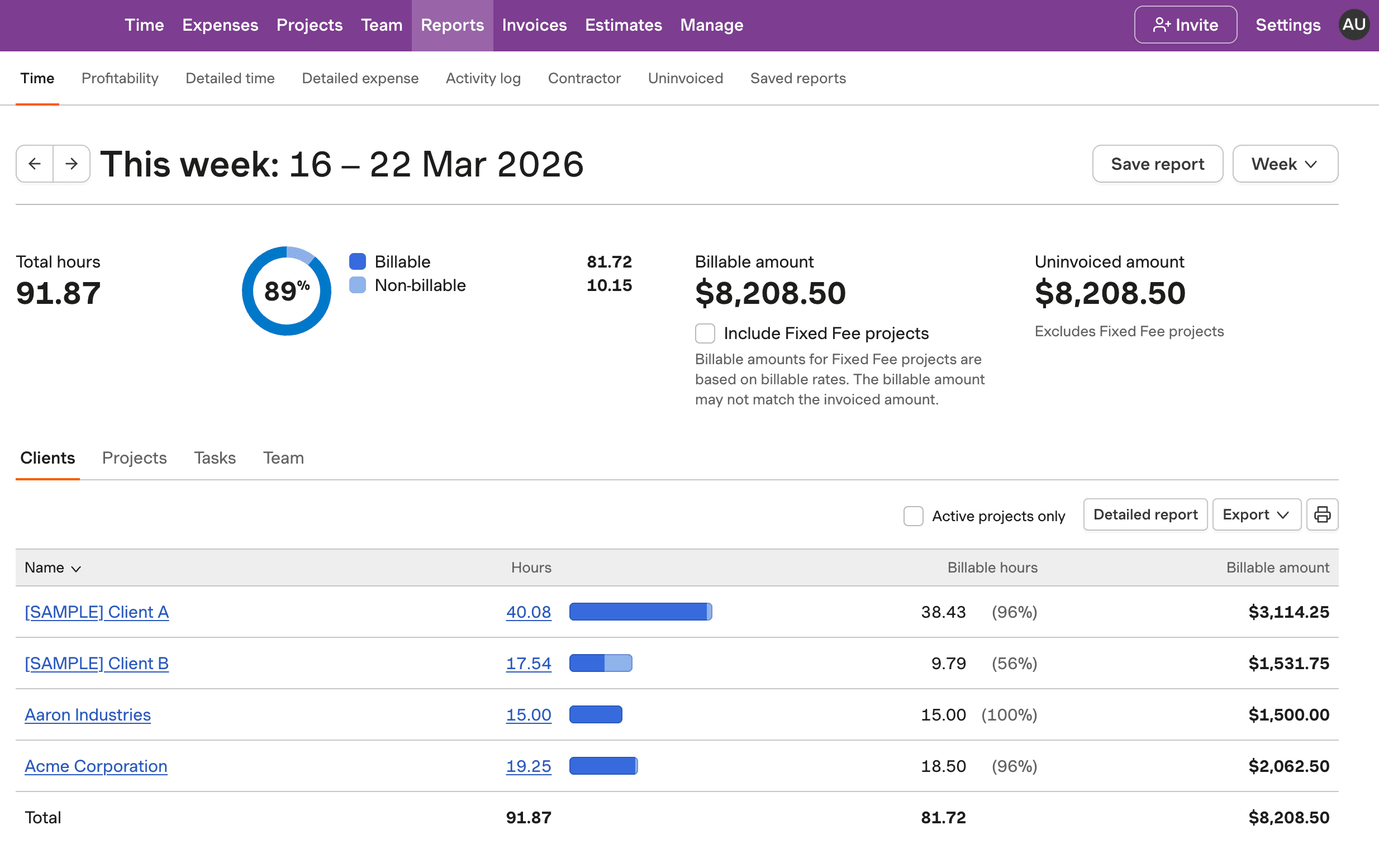
Iterative improvement is essential, using tracking data to refine strategies, adjust schedules, and set new, challenging goals. Accountability is a powerful motivator, with tracking providing tangible evidence of progress and fostering self-accountability. With Harvest's detailed time reports, users can track and visualize their deep work hours over time, enabling strategic adjustments and continuous growth in productivity.

Deep Work Tracking with Harvest

See how Harvest helps track deep work sessions with customizable timers and detailed reports to boost productivity. Free trial available.

Harvest deep work tracker interface with customizable timers and reports

Deep Work Tracker FAQs

  • Deep work refers to professional activities performed in a state of distraction-free concentration, pushing cognitive capabilities to their limit. It is important because it leads to new value creation, skill mastery, and job satisfaction. In contrast, shallow work involves less cognitively demanding tasks often performed with distractions.

  • Begin by setting clear goals and allocating dedicated time for deep work sessions. Minimize distractions by turning off notifications and closing unnecessary applications. Start with short sessions (60-90 minutes) and gradually increase duration as your focus capacity improves.

  • Essential features include time tracking capabilities with customizable timers, task management integration, distraction management tools like website blockers, and reporting and analytics to track productivity and progress.

  • Measure progress by tracking hours spent in deep work, tasks completed, and the ratio of deep to shallow work. Regularly review this data to identify patterns, peak productivity times, and areas for improvement.

  • Yes, many deep work trackers, including Harvest, offer integrations with other productivity tools. This allows seamless workflows with calendars, task managers, and communication platforms, enhancing overall productivity.

  • Most individuals start with one to two hours of genuine deep work per day. Aiming for two to four hours daily is a strong target, with four hours being the upper limit for sustained, high-quality focus.

  • Harvest supports deep work tracking with customizable timers that align sessions with peak energy times. It offers detailed time reports to track and visualize deep work hours, enhancing focus and productivity.