
Harvest
Time Tracking
Sign up free

Screen Time Tracker for Work

Harvest is a comprehensive time tracking tool that helps professionals monitor screen time and boost productivity, addressing the 40% productivity loss from digital distractions.

Try Harvest Free

How much revenue is your team leaving on the table?

Most agencies run at 55-60% utilization. Even a small improvement means significant revenue. See what closing the gap looks like for your team.

Number of people who track billable time
$
Blended rate across roles (junior, senior, lead)
55%
Percentage of total hours that are billable. Industry average is 55-60%.
75%
A realistic target for service businesses is 70-80%.
Monthly revenue gap $0
Revenue at current utilization $0/mo
Revenue at target utilization $0/mo
Extra billable hours needed per person/day 0h
Annual revenue opportunity $0

Start tracking team utilization

Walk through the entire flow below. Start a timer, check your reports, and create a real invoice — all in three clicks.

Go ahead — start tracking!

One click and you're timing. Try it right here: start a timer, add an entry, edit the details. This is exactly how it feels in Harvest.

  • One-click timer from browser, desktop & mobile
  • Works inside Jira, Asana, Trello, GitHub & 50+ tools
  • Duration or start/end — your call
  • Day, week & calendar views to stay on top of it all
  • Friendly reminders so no hour gets left behind
Acme Corp
Website Redesign
Homepage layout revisions
1:24:09
Content Strategy
Blog calendar planning
1:30:00
SEO Audit
Technical audit report
0:45:00
Brand Guidelines
Color system documentation
2:15:00
Logo Concepts
Initial sketches round 1
1:00:00

The Role of Screen Time Tracking in Modern Work Environments

Screen time tracking has become an essential component in modern work environments, especially as remote work becomes more prevalent. With the average person spending 3 hours and 15 minutes on their phones daily, and 30 out of 58 phone checks occurring during work hours, it's clear that distractions are a major productivity challenge. Screen time trackers help mitigate this by monitoring application usage and idle time, providing insights into work patterns and productivity.

For businesses, these tools offer a way to ensure compliance with regulations such as the Fair Labor Standards Act (FLSA) in the United States, which mandates accurate time records for non-exempt employees. In the European Union, the Working Time Directive (WTD) requires similar diligence. By using screen time trackers, organizations can not only improve productivity but also maintain compliance with international labor laws.
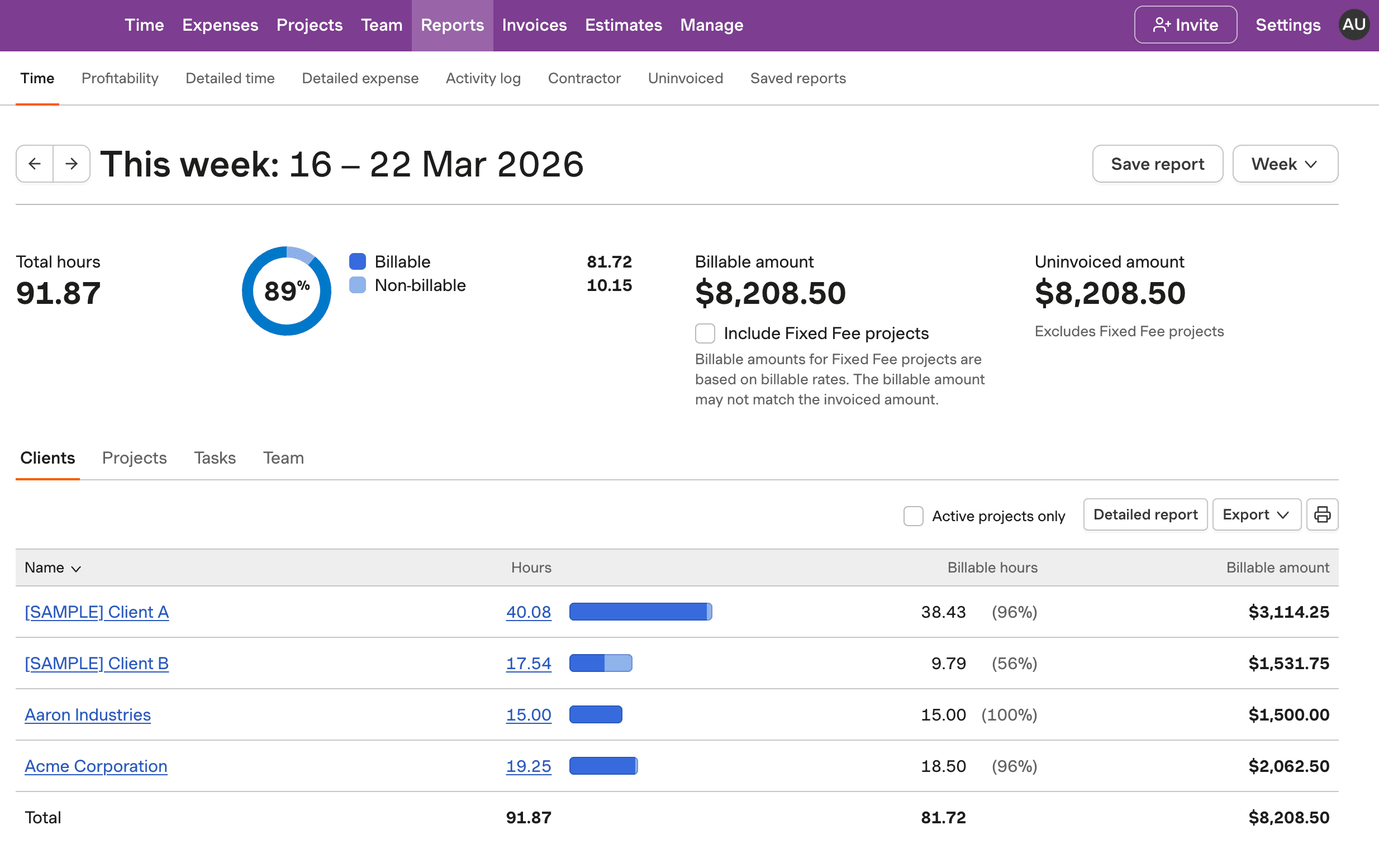
How Screen Time Trackers Enhance Productivity

Frequent digital interruptions can reduce productivity by up to 40%, yet using screen time tracking tools can help users regain control over their workday. These tools monitor active applications, websites, and keyboard/mouse activity, differentiating between productive and unproductive time. This self-monitoring allows individuals to set productivity goals and track progress, leading to improved focus and satisfaction.

Screen time trackers also offer goal-setting features and alerts to notify users when they are approaching their self-imposed limits, fostering discipline and better time management. By categorizing apps and websites as productive or unproductive, users can tailor their work habits to maximize efficiency. Tools like Harvest further enhance productivity by integrating with project management systems, providing real-time data and insights into project time allocation.

Key Features to Look for in a Screen Time Tracker

When selecting a screen time tracker, several features are crucial for maximizing productivity. Automatic tracking capabilities ensure that time spent on applications and websites is recorded without manual input, while idle time detection pauses tracking during inactivity. Reporting and analytics provide comprehensive summaries of usage patterns, highlighting productive versus unproductive time.

Additional features like distraction blocking, cross-platform compatibility, and data export options enhance the utility of screen time trackers. For businesses, integrations with project management tools like Asana and Trello are invaluable, offering seamless time tracking and reporting. Data privacy is also paramount; choosing tools that prioritize local data storage and comply with regulations like GDPR ensures that user data remains secure.

Ensuring Data Security and Privacy in Screen Time Tracking

Data security and privacy are critical considerations when implementing screen time tracking tools. Prioritize software that offers local data storage, meaning data stays on the user's device. This approach minimizes the risk of data breaches associated with cloud storage and ensures compliance with data protection regulations like GDPR.

Employers should communicate transparently about data collection practices, ensuring employees understand what data is collected and how it is used. Tools with a privacy-first design offer configurable monitoring settings, allowing users to adjust tracking according to their comfort levels. By avoiding invasive features like random screenshots or webcam monitoring, organizations can maintain trust and encourage voluntary usage of these productivity-enhancing tools.

Screen Time Tracking with Harvest

See how Harvest tracks screen time and integrates with project tools to enhance work productivity.

Harvest screen time tracking interface for work productivity

Screen Time Tracker for Work FAQs

  • Screen time trackers improve productivity by monitoring active application use and idle periods, helping users identify and minimize distractions. They enable goal setting and provide alerts when time limits are reached, promoting better time management and focus.

  • Key features include automatic tracking, idle time detection, app and website usage monitoring, and detailed reporting. Look for integration capabilities with project management tools and robust privacy controls.

  • Yes, several free screen time tracking applications exist, typically offering basic functionalities. Free versions may limit users, projects, or advanced features, but they can be suitable for individual use or small teams.

  • Harvest integrates seamlessly with tools like Asana, Trello, and Jira, allowing users to track time directly from these platforms. This integration simplifies project management and enhances productivity reporting.

  • Choose apps that offer local data storage, comply with data protection laws like GDPR, and provide clear privacy controls. Transparency about data collection and usage is essential for maintaining trust and security.

  • Screen time tracking is crucial for identifying and reducing digital distractions, which can cost up to 40% of productive time. It aids in optimizing work patterns and ensuring compliance with labor regulations.

  • Harvest offers cross-platform compatibility, allowing users to track screen time across various devices, including web, macOS, Windows, iOS, and Android. This flexibility ensures consistent time management regardless of device used.