
Harvest
Time Tracking
Sign up free

Employee Time Tracking App in Romania

Harvest empowers Romanian businesses to comply with labor laws by tracking employee hours and managing overtime efficiently.

Try Harvest Free

How much revenue is your team leaving on the table?

Most agencies run at 55-60% utilization. Even a small improvement means significant revenue. See what closing the gap looks like for your team.

Number of people who track billable time
$
Blended rate across roles (junior, senior, lead)
55%
Percentage of total hours that are billable. Industry average is 55-60%.
75%
A realistic target for service businesses is 70-80%.
Monthly revenue gap $0
Revenue at current utilization $0/mo
Revenue at target utilization $0/mo
Extra billable hours needed per person/day 0h
Annual revenue opportunity $0

Start tracking team utilization

Walk through the entire flow below. Start a timer, check your reports, and create a real invoice — all in three clicks.

Go ahead — start tracking!

One click and you're timing. Try it right here: start a timer, add an entry, edit the details. This is exactly how it feels in Harvest.

  • One-click timer from browser, desktop & mobile
  • Works inside Jira, Asana, Trello, GitHub & 50+ tools
  • Duration or start/end — your call
  • Day, week & calendar views to stay on top of it all
  • Friendly reminders so no hour gets left behind
Acme Corp
Website Redesign
Homepage layout revisions
1:24:09
Content Strategy
Blog calendar planning
1:30:00
SEO Audit
Technical audit report
0:45:00
Brand Guidelines
Color system documentation
2:15:00
Logo Concepts
Initial sketches round 1
1:00:00

Understanding Romanian Labor Law for Time Tracking

Employers in Romania have been legally obliged to track their employees' working hours since August 2017, following an amendment to the Labor Code. This mandate requires records to include the exact start and end times of each employee's work program daily, encompassing overtime. These records should be maintained for at least three years and must be available for labor inspections. Non-compliance can result in fines up to RON 10,000.

The standard working hours in Romania are capped at 40 hours per week, typically spread over five days. However, the total including overtime must not exceed 48 hours per week, unless within a four-month reference period it does not exceed this limit. It's crucial for businesses to adhere to these guidelines to avoid penalties, which can be as high as RON 20,000 for record-keeping violations.
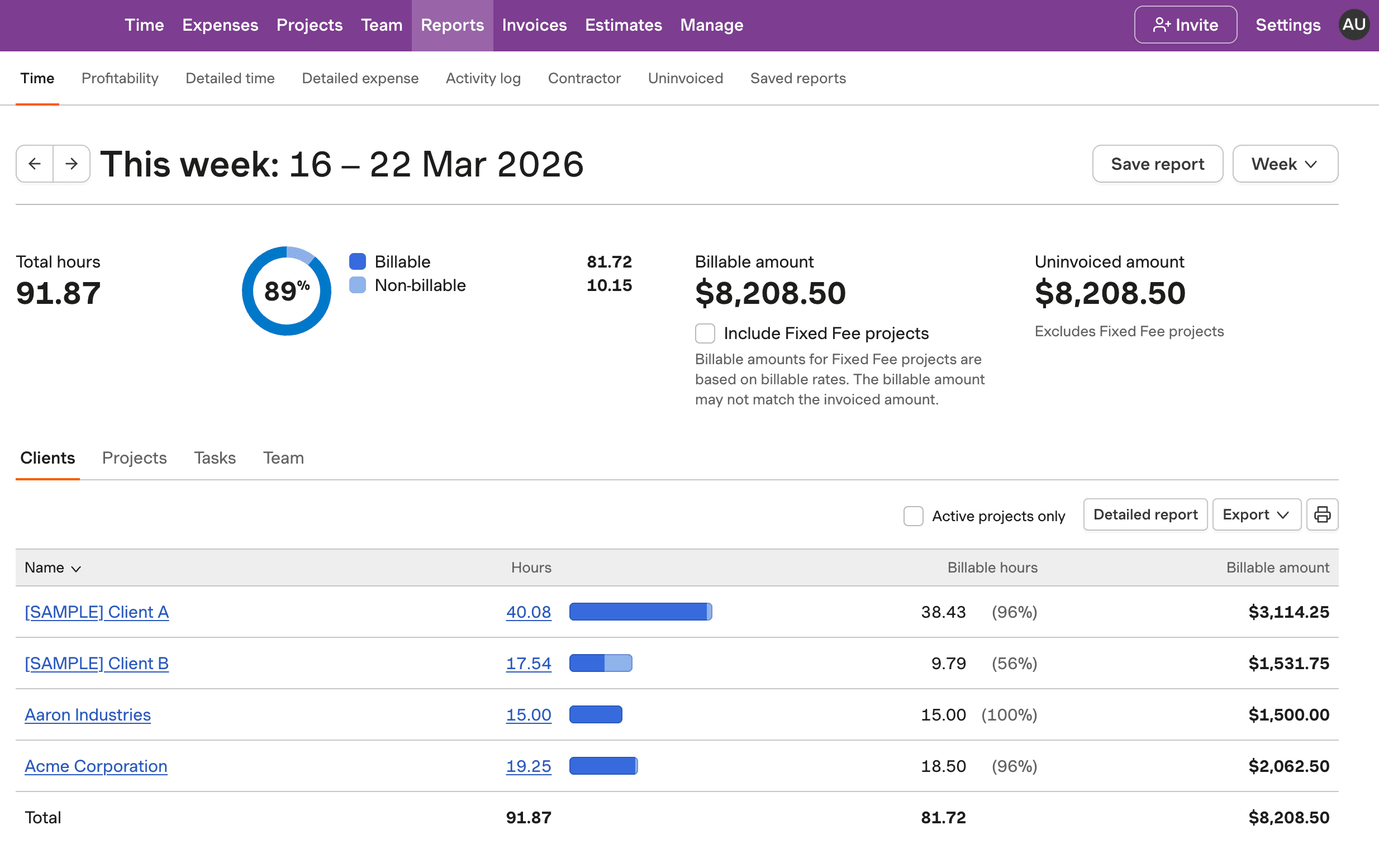
Key Features for Compliant Time Tracking Apps in Romania

Choosing the right time tracking solution is crucial for compliance with Romanian labor laws. A compliant app must automate the calculation of regular hours, overtime, and night work. For instance, overtime, which requires employee consent, cannot exceed 48 hours per week or 360 hours annually, and should be compensated either with paid time off or an additional payment.

Effective time tracking apps in Romania should support various clocking methods, including NFC technology. This is particularly useful for real-time monitoring and reporting capabilities, ensuring precise attendance tracking. Integration with payroll systems is also essential to automatically calculate payments for overtime, night shifts, and other compensations, fully aligning with labor and payroll regulations.

Navigating Overtime and Leave Management

Managing overtime and leave requests in Romania involves understanding specific regulations. Overtime requires prior consent from employees and must be compensated with either paid time off within 90 days or an additional payment of at least 75% of the base salary. During public holidays, overtime compensation increases to at least 100% of the base salary.

In terms of leave, employees are entitled to at least 20 days of paid annual leave per year. Additional leave is available for specific groups, such as employees under 18 or those with disabilities. Sick leave can extend up to 183 days with a doctor's certificate, where the employer covers the first five days, and the state covers the remainder. Understanding these regulations is vital to ensure compliance and employee satisfaction.

Special Considerations: Remote Work, Industry-Specific Needs, and Data Privacy

Time tracking for teleworkers and mobile employees in Romania must comply with specific requirements. The employment contract should specify the procedure for recording working hours, ensuring transparency and compliance. For mobile workers, the method of time recording should be agreed upon between employer and employee.

Industry-specific scheduling, such as in healthcare or hospitality, may have unique regulations, but the average weekly working time, including overtime, must not exceed 48 hours over the reference period. Moreover, GDPR compliance is crucial when collecting employee data, particularly biometric data, to ensure privacy and secure data handling.

Employee Time Tracking with Harvest

Discover how Harvest enables Romanian businesses to track employee hours and manage overtime in compliance with local laws.

Screenshot of Harvest's employee time tracking features for Romania

Employee Time Tracking App in Romania FAQs

  • Romanian labor laws require employers to maintain precise records of employee hours, including start and end times, and overtime. Non-compliance can lead to significant fines.

  • A time tracking app should automate hour calculations, support NFC clocking, and integrate with payroll systems to ensure compliance with Romanian laws.

  • Overtime requires employee consent and must not exceed 48 hours weekly or 360 hours annually. It should be compensated with paid time off or additional salary.

  • Employees in Romania are entitled to at least 20 days of paid annual leave. Additional days are available for certain groups, and sick leave can extend up to 183 days.

  • For remote employees, the employment contract must define the procedure for recording working hours. This ensures transparency and compliance with labor laws.

  • Harvest provides a robust time tracking solution suitable for Romanian businesses, although specific regulatory compliance should be verified for local needs.

  • GDPR requires that any employee data collected, especially biometric, be handled securely and transparently, with employees fully informed of its use.

  • Time tracking systems using methods like NFC clocking can prevent buddy punching by ensuring only the recorded employee can log their time.