
Harvest
Time Tracking
Sign up free

How to Track Non Billable Time

Many businesses overlook non-billable time, leading to inefficiencies and lost revenue. Harvest tracks non-billable hours, helping you optimize resources and boost efficiency.

Try Harvest Free

How much revenue is your team leaving on the table?

Most agencies run at 55-60% utilization. Even a small improvement means significant revenue. See what closing the gap looks like for your team.

Number of people who track billable time
$
Blended rate across roles (junior, senior, lead)
55%
Percentage of total hours that are billable. Industry average is 55-60%.
75%
A realistic target for service businesses is 70-80%.
Monthly revenue gap $0
Revenue at current utilization $0/mo
Revenue at target utilization $0/mo
Extra billable hours needed per person/day 0h
Annual revenue opportunity $0

Start tracking team utilization

Walk through the entire flow below. Start a timer, check your reports, and create a real invoice — all in three clicks.

Go ahead — start tracking!

One click and you're timing. Try it right here: start a timer, add an entry, edit the details. This is exactly how it feels in Harvest.

  • One-click timer from browser, desktop & mobile
  • Works inside Jira, Asana, Trello, GitHub & 50+ tools
  • Duration or start/end — your call
  • Day, week & calendar views to stay on top of it all
  • Friendly reminders so no hour gets left behind
Acme Corp
Website Redesign
Homepage layout revisions
1:24:09
Content Strategy
Blog calendar planning
1:30:00
SEO Audit
Technical audit report
0:45:00
Brand Guidelines
Color system documentation
2:15:00
Logo Concepts
Initial sketches round 1
1:00:00

Understanding and Tracking Non-Billable Time

Tracking non-billable time is essential for businesses striving to understand their true operational costs. Non-billable time includes crucial activities like administrative tasks, training, and business development that aren't directly charged to clients. By accurately tracking these hours, businesses can identify inefficiencies, optimize resource allocation, and enhance productivity. According to industry benchmarks, firms with effective time tracking achieve a billable utilization rate of 75-85%, while those struggling with profitability often fall below 55%.

Harvest offers a comprehensive solution for tracking non-billable hours, enabling businesses to differentiate between various types of non-billable work. By allowing the creation of specific projects and tasks for non-billable activities, Harvest helps organizations capture accurate data, which is critical for understanding the impact of these hours on project profitability and financial planning. This data-driven approach is essential for making informed strategic decisions, ultimately supporting business growth.
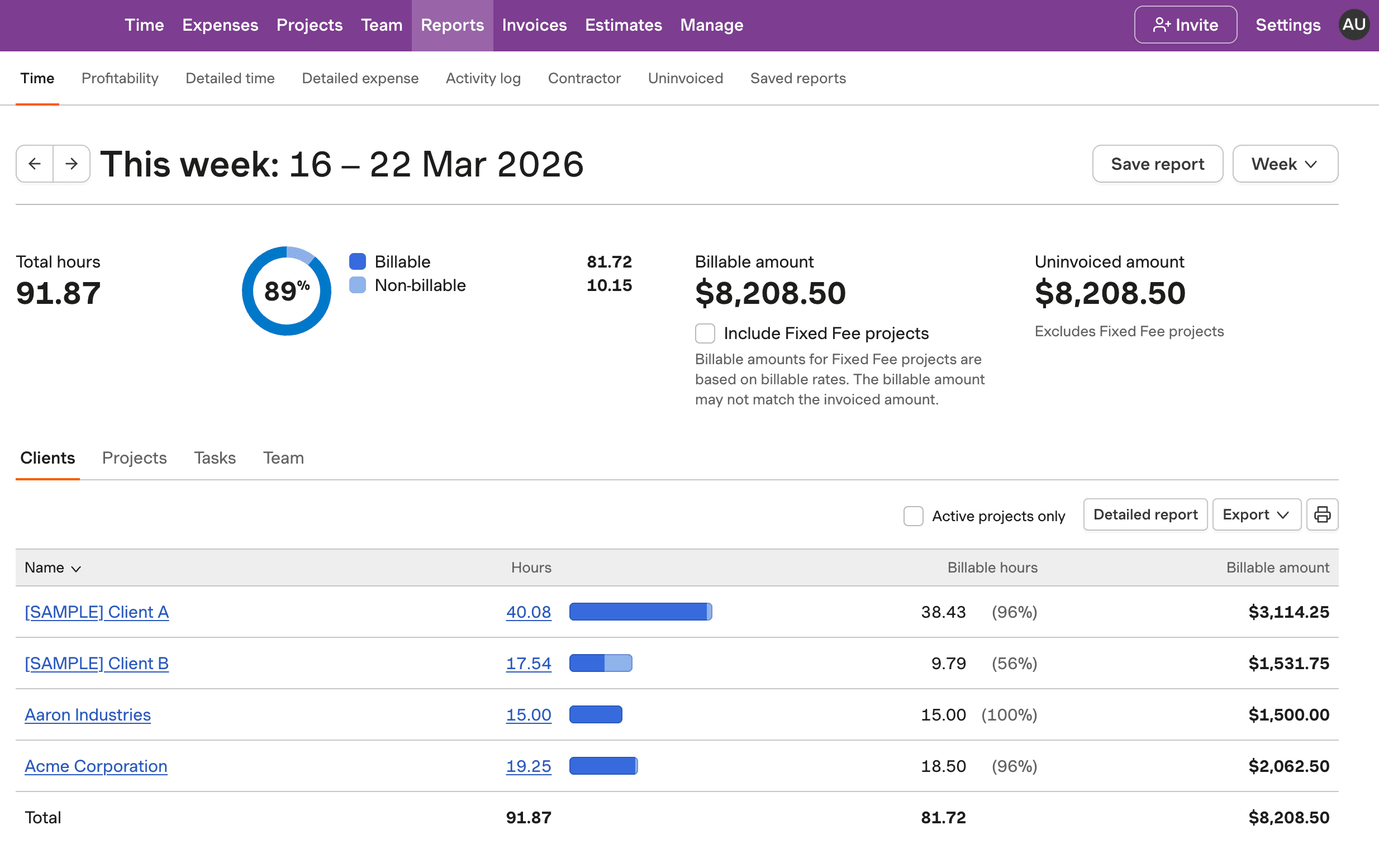
Categorizing Non-Billable Activities Efficiently

To effectively manage non-billable time, it is crucial to define clear categories for such activities. Common examples include administrative duties, internal meetings, training sessions, and business development efforts. Standardizing these categories ensures consistent time logging across the organization and aids in accurate data capture. Firms typically charge 40-60% more per billable hour to cover the costs of non-billable time, highlighting the financial significance of these activities.

Harvest simplifies the categorization of non-billable time by allowing users to create distinct projects and use tags for detailed tracking. This feature ensures that all time spent on non-billable activities is logged accurately, supporting better resource allocation and financial planning. By integrating non-billable hours into internal cost calculations, Harvest enables businesses to conduct thorough analyses and make data-driven decisions.

Optimizing Non-Billable Time for Greater Efficiency

Reducing non-billable time is critical for maximizing profitability. Best practices include automating routine tasks, streamlining workflows, and strategically prioritizing essential non-billable activities. For instance, managers spend approximately 19% of their workdays on administrative tasks, equating to 7.125 non-billable hours weekly. Automating these tasks can significantly free up time for revenue-generating activities.

Harvest empowers businesses to optimize non-billable time by providing detailed reports that highlight inefficiencies in internal processes. These insights allow organizations to reallocate resources effectively, set realistic utilization targets, and improve overall operational efficiency. By leveraging Harvest’s capabilities, businesses can ensure that non-billable activities support long-term growth rather than detract from profitability.

Analyzing Non-Billable Time Data for Strategic Decisions

Regularly reviewing non-billable time data is vital for strategic decision-making. Analysis of this data can reveal trends, patterns, and areas for improvement, enabling businesses to adjust their strategies accordingly. Industry research indicates that failing to track non-billable time can result in a 38% loss of potential billable revenue due to untracked activities such as emails and meetings.

Harvest provides comprehensive reports that include non-billable hours, supporting businesses in identifying inefficiencies and informing pricing strategies. By incorporating non-billable data into financial planning and resource allocation, organizations can make more informed decisions that enhance operational efficiency and profitability. This proactive approach ensures that businesses remain competitive and poised for growth.

Track Non-Billable Time with Harvest

See how Harvest tracks non-billable hours, helping you optimize resources and improve efficiency.

Screenshot showing non-billable time tracking in Harvest.

How to Track Non Billable Time FAQs

  • Non-billable time includes essential business activities that cannot be directly charged to a client, such as administrative tasks, internal meetings, and training. These activities are crucial for business operations but do not generate direct revenue.

  • Tracking non-billable hours is vital for identifying inefficiencies, improving resource allocation, and supporting financial planning. It helps businesses understand their true operational costs and make data-driven decisions to enhance productivity and profitability.

  • Tracking non-billable time provides insights into time allocation, helping businesses streamline processes and optimize resource use. By analyzing this data, companies can reduce non-billable activities and focus more on revenue-generating tasks, ultimately improving efficiency.

  • Harvest is a recommended tool for tracking non-billable time. It allows businesses to create specific projects for non-billable activities, ensuring accurate data capture and aiding in resource optimization and financial planning.

  • Harvest differentiates non-billable work by allowing users to create specific projects and tasks for these activities. This feature ensures accurate tracking and reporting, helping businesses understand the impact of non-billable hours on profitability.

  • To reduce non-billable time, businesses can automate routine tasks, streamline workflows, and batch similar activities. Harvest provides insights into inefficiencies, enabling organizations to reallocate resources effectively and maximize productivity.

  • Common examples of non-billable activities include administrative duties, internal meetings, training, and business development. These tasks are essential for business operations but do not directly generate revenue.

  • Harvest tracks non-billable hours to provide a complete view of time allocation, supporting business development by identifying areas for improvement and optimizing resource use. This comprehensive tracking aids in strategic planning and growth.

  • Non-billable time data is crucial for financial planning as it helps businesses understand their true operational costs. With Harvest, organizations can integrate this data into cost calculations and reports, enhancing decision-making and profitability.