
Harvest
Time Tracking
Sign up free

How to Track Time Without Micromanaging

75% of businesses suffer from costly time theft annually. Harvest empowers teams to track time effectively without micromanaging, fostering trust and accountability.

Try Harvest Free

How much revenue is your team leaving on the table?

Most agencies run at 55-60% utilization. Even a small improvement means significant revenue. See what closing the gap looks like for your team.

Number of people who track billable time
$
Blended rate across roles (junior, senior, lead)
55%
Percentage of total hours that are billable. Industry average is 55-60%.
75%
A realistic target for service businesses is 70-80%.
Monthly revenue gap $0
Revenue at current utilization $0/mo
Revenue at target utilization $0/mo
Extra billable hours needed per person/day 0h
Annual revenue opportunity $0

Start tracking team utilization

Walk through the entire flow below. Start a timer, check your reports, and create a real invoice — all in three clicks.

Go ahead — start tracking!

One click and you're timing. Try it right here: start a timer, add an entry, edit the details. This is exactly how it feels in Harvest.

  • One-click timer from browser, desktop & mobile
  • Works inside Jira, Asana, Trello, GitHub & 50+ tools
  • Duration or start/end — your call
  • Day, week & calendar views to stay on top of it all
  • Friendly reminders so no hour gets left behind
Acme Corp
Website Redesign
Homepage layout revisions
1:24:09
Content Strategy
Blog calendar planning
1:30:00
SEO Audit
Technical audit report
0:45:00
Brand Guidelines
Color system documentation
2:15:00
Logo Concepts
Initial sketches round 1
1:00:00

Shifting the Paradigm: From Hours to Outcomes

To effectively track time without resorting to micromanagement, shift your focus from hours worked to outcomes achieved. This approach, known as outcome-based management, emphasizes measurable results and encourages accountability. By setting clear, measurable goals using frameworks like SMART (Specific, Measurable, Achievable, Relevant, Time-bound), teams can align individual contributions with organizational objectives, reducing the need for constant oversight. This shift empowers employees to take ownership of their tasks, naturally decreasing the need for micromanagement.

Incorporating outcome-based management can also significantly boost morale and productivity. A recent survey found that 60% of businesses using ethical monitoring reported productivity gains. By focusing on outcomes rather than time spent, organizations can foster a culture of trust and innovation, where team members feel valued for their contributions rather than just their hours logged.
Building a Foundation of Trust and Transparency

Establishing trust and transparency is crucial when implementing time tracking systems. Open communication about what is being tracked and why is essential in avoiding the pitfalls of micromanagement. Studies show that 85% of employees are more engaged when leaders communicate openly. This transparency helps in maintaining trust, which can otherwise drop by up to 20% if monitoring is poorly communicated.

Empowering employees with autonomy and decision-making authority within clearly defined frameworks can further enhance trust. Encourage feedback and address any concerns regarding monitoring directly and respectfully. By modeling good behavior and demonstrating a commitment to the team's success, leaders can build a psychologically safe environment where employees feel comfortable to express concerns and contribute honestly.

Smart Tools and Ethical Practices for Non-Intrusive Tracking

Choosing the right tools and implementing ethical practices are pivotal in tracking time without being intrusive. Non-invasive tools such as project management software and timekeeping apps provide visibility into workloads and progress without constant surveillance. Features like customizable privacy settings and user control over data ensure employees' comfort and privacy.

Implement these tools with a focus on data security and constructive feedback. For instance, Harvest offers one-click start/stop timers and manual time entry options, which enhance accountability without micromanaging. By using these features, organizations can maintain productivity while respecting employee autonomy and privacy.

Navigating Accountability and Addressing Challenges

Balancing accountability with employee autonomy requires clear expectations and performance metrics. It's important to set specific guidelines that outline acceptable work behaviors and the consequences of non-compliance. Studies show time theft affects 75% of businesses, costing U.S. employers over $400 billion annually. Identifying signs of time theft, such as buddy punching or extended breaks, is crucial for maintaining productivity.

Address these challenges by implementing clear policies and utilizing tools like Harvest, which provides reminders and approvals to mitigate time theft without micromanagement. Additionally, ensure compliance with regional and industry-specific legal requirements, such as the FLSA in the U.S., to avoid legal pitfalls while managing time tracking effectively.

Track Time with Harvest

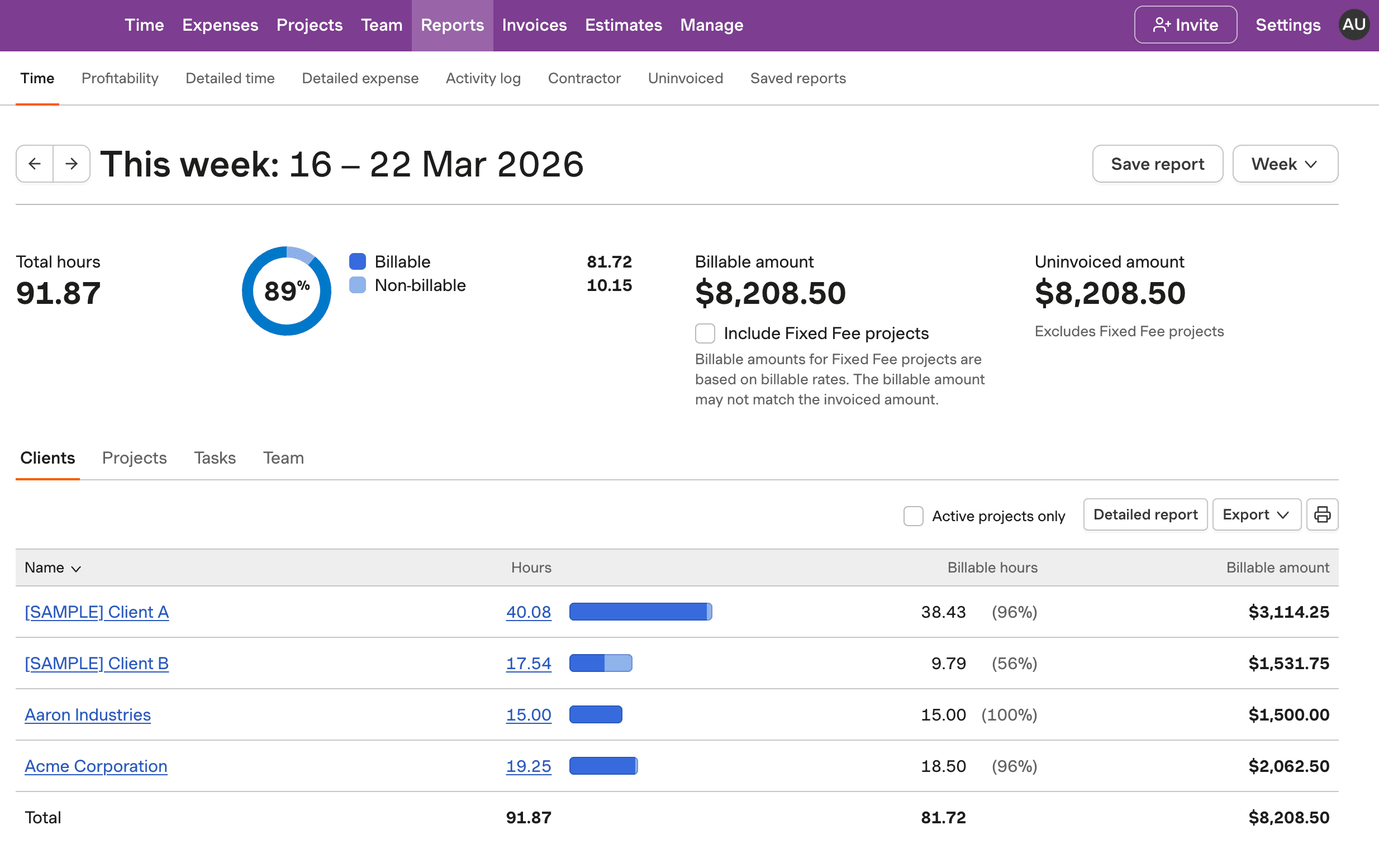
See how Harvest tracks time effectively without micromanaging, using reminders and approvals to build accountability and trust.

Harvest time tracking tool for effective team management without micromanaging

How to Track Time Without Micromanaging FAQs

  • Tracking time without micromanaging involves using non-intrusive tools and focusing on outcomes rather than hours. Harvest provides features like one-click timers and manual entries, helping teams log time efficiently while fostering trust and accountability.

  • Non-intrusive time tracking tools like Harvest offer features such as customizable privacy settings and user control over data. These tools provide visibility into workloads and progress without constant surveillance, promoting a healthy work environment.

  • Harvest uses transparent communication and structured processes, such as timesheet reminders and approvals, to build trust. This approach encourages accountability and reduces the need for micromanagement.

  • Common signs of time theft include buddy punching and extended breaks. Harvest addresses these by implementing automated controls and clear policies, ensuring accurate time tracking and reducing productivity losses.

  • To communicate time tracking policies effectively, use multiple channels like handbooks and meetings. Explain the benefits and purpose clearly, and encourage open feedback to address any concerns employees might have.

  • Outcome-based management focuses on measurable results rather than hours worked. This approach empowers employees, reducing the need for constant oversight and fostering accountability and trust within the team.

  • Legal considerations for time tracking include compliance with federal, state, and local labor laws, such as the FLSA in the U.S. and the EWTD in the EU. Ensure your time tracking practices meet these legal requirements to avoid potential issues.