
Harvest
Time Tracking
Sign up free

Malay Timesheet Template

Malaysian businesses face complex time tracking requirements. Harvest's customizable templates and MYR support simplify compliance and optimize payroll.

Try Harvest Free

How many hours did you work this week?

Enter your clock-in and clock-out times for each day. The calculator handles breaks, overtime, and weekly totals automatically.

Day Clock In Clock Out Break Hours
Total hours this week 0h
Regular hours (≤40) 0h
Overtime hours 0h
Average hours/day 0h
Total break time 0h

Track time automatically with Harvest

Walk through the entire flow below. Start a timer, check your reports, and create a real invoice — all in three clicks.

Go ahead — start tracking!

One click and you're timing. Try it right here: start a timer, add an entry, edit the details. This is exactly how it feels in Harvest.

  • One-click timer from browser, desktop & mobile
  • Works inside Jira, Asana, Trello, GitHub & 50+ tools
  • Duration or start/end — your call
  • Day, week & calendar views to stay on top of it all
  • Friendly reminders so no hour gets left behind
Acme Corp
Website Redesign
Homepage layout revisions
1:24:09
Content Strategy
Blog calendar planning
1:30:00
SEO Audit
Technical audit report
0:45:00
Brand Guidelines
Color system documentation
2:15:00
Logo Concepts
Initial sketches round 1
1:00:00

Understanding Malaysian Timesheet Essentials

The core of any effective time tracking system in Malaysia lies in understanding the legal framework and basic requirements as outlined in the Employment Act 1955. This legislation, significantly amended in 2022 and effective from January 1, 2023, now protects all employees in Malaysia, irrespective of salary. It mandates that timesheets include essential details such as employee information, dates, start and end times, breaks, and total hours worked. These records must be meticulously maintained, with employers required to keep wage ledgers for 3-5 years to ensure compliance and facilitate payroll accuracy.

Accurate timesheets are not just about regulatory compliance; they are crucial for managing payroll, resolving disputes, and optimizing workforce management. Employers need to ensure that timesheets are correctly filled out and reviewed regularly. This not only helps in adhering to the legal requirements but also in improving operational efficiency by providing clear records for both employees and managers.
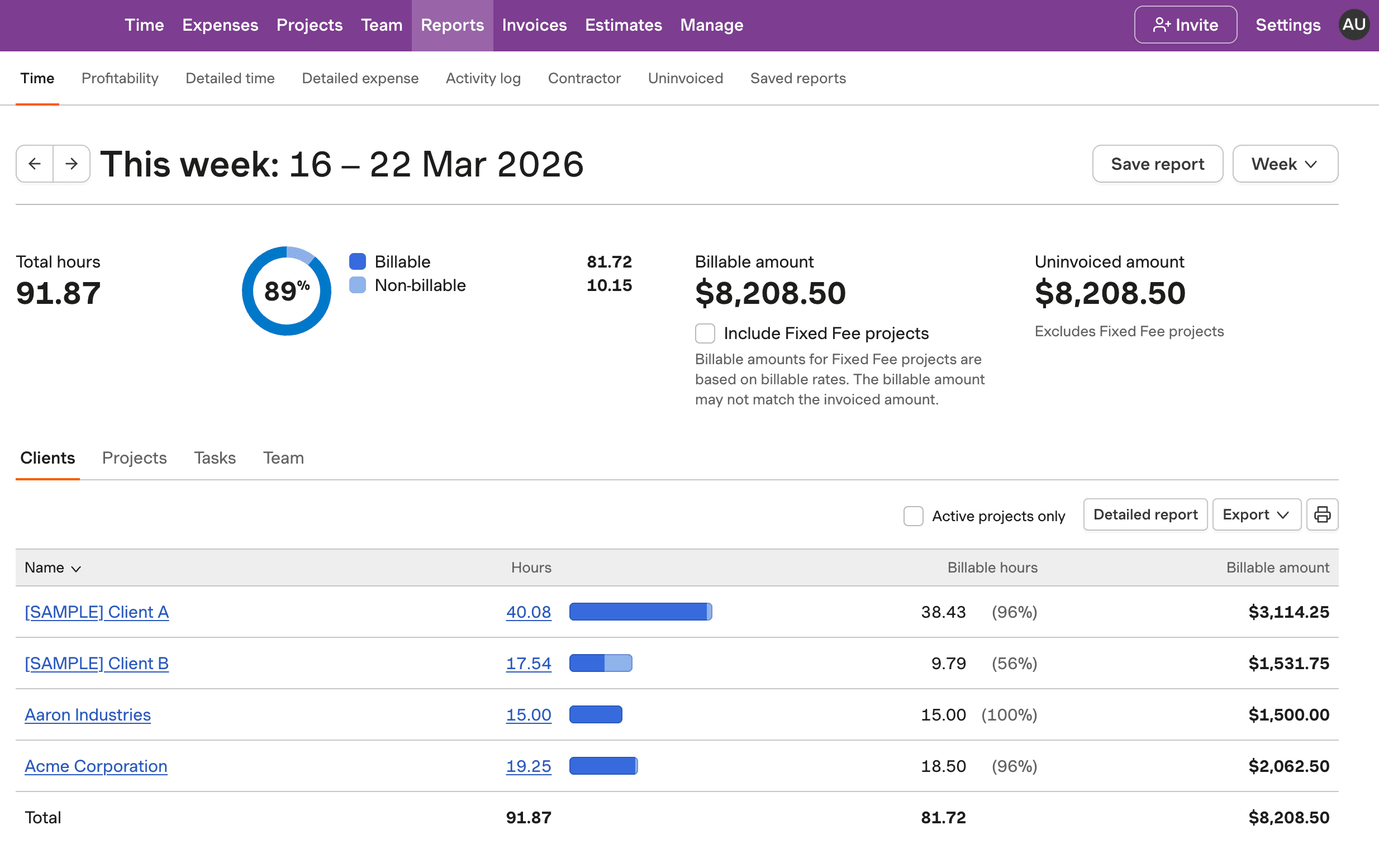
Navigating Working Hours and Overtime Regulations in Malaysia

In Malaysia, standard working hours are capped at 8 hours per day and 45 hours per week, following the Employment Act 1955. This is a reduction from the previous 48-hour weekly limit, reflecting a shift towards better work-life balance. Employees are entitled to a minimum 30-minute break after 5 consecutive hours of work, and at least one full rest day per week. These provisions ensure that employees have adequate rest and are not overworked.

Overtime is defined as any work beyond the normal working hours and is compensated at varying rates: 1.5 times the hourly rate on normal days, up to 2 times on rest days, and up to 3 times on public holidays. The Act restricts overtime to a maximum of 104 hours per month. This structured approach helps employers manage labor costs while ensuring fair compensation for employees.

Choosing and Customizing Your Malay Timesheet Template

Selecting the right Malay timesheet template involves considering various formats such as Excel, Google Sheets, PDF, and Word, each offering unique advantages for daily, weekly, bi-weekly, or monthly tracking. Key features to look for include MYR currency formatting, automatic calculations, and space for project details. These templates can be tailored to accommodate specific business needs, which is crucial for compliance and operational efficiency.

Customizing your template involves adding or removing columns to capture necessary data, adjusting leave types, and incorporating company-specific policies. For instance, using formulas for automatic calculations in Excel or Google Sheets can streamline the process. This customization ensures that the timesheet aligns with the unique requirements of Malaysian businesses, providing a practical tool for workforce management.

Practical Application: How to Effectively Use and Manage Timesheets

Effective management of timesheets begins with clear guidelines for both employees and employers. Employees should be encouraged to log hours, breaks, and leave accurately and in a timely manner. For employers, establishing a regular review and approval process is essential to maintain data accuracy and prevent issues such as time theft.

Timesheets can be integrated with payroll systems to streamline operations, providing a seamless transition from time tracking to payment. Additionally, including project management data can enhance operational insights, making it easier to monitor productivity and allocate resources efficiently. Addressing common challenges such as ensuring data accuracy can significantly enhance the utility of timesheets in any organization.

Beyond Templates: When to Consider Automated Time Tracking Solutions

As businesses grow, the limitations of manual timesheet templates can become apparent. Automated time tracking solutions offer numerous advantages, including increased accuracy, reduced administrative burden, and real-time monitoring. These systems often integrate features like mobile clock-ins, GPS tracking, and facial recognition, which can enhance compliance and efficiency.

For businesses considering a shift to digital, evaluating when to transition from manual templates to automated systems is crucial. Factors like the scale of operations, the complexity of payroll calculations, and the need for real-time data should guide this decision. Automation not only simplifies processes but also provides robust data analytics, helping businesses make informed decisions about workforce management.

Malay Timesheet Template with Harvest

Harvest's templates offer MYR support and customization, aligning with Malaysian labor laws for efficient time tracking and payroll management.

Harvest timesheet template for Malaysian businesses

Malay Timesheet Template FAQs

  • Malay timesheet templates are available in various formats like Excel, Google Sheets, and PDF. You can download them from online resources offering customizable templates tailored to Malaysian labor laws.

  • Malay timesheet templates are commonly available in Excel, Google Sheets, PDF, and Word formats. These formats offer flexibility for different tracking needs, whether daily, weekly, or monthly.

  • Yes, templates often include MYR currency formatting and sections for overtime calculations according to Malaysian laws. They can also be customized to include specific business requirements like project codes or leave types.

  • To customize a Malay timesheet template, you can add or remove columns to capture specific data, adjust leave types, and incorporate formulas for automatic calculations. This ensures the template meets your business's unique requirements.

  • In Malaysia, timesheets must adhere to the Employment Act 1955, which includes recording working hours, breaks, and overtime accurately. Employers are required to maintain these records for 3-5 years.

  • Harvest supports MYR currency and customizable templates, aligning with Malaysian payroll practices. It allows for the creation of bi-weekly timesheets and project budgeting, ensuring compliance with local regulations.

  • Yes, Harvest's customizable timesheet templates allow you to track various leave types, such as annual leave, sick leave, and unpaid leave, ensuring comprehensive time management and compliance.

  • Overtime pay in Malaysia is calculated at 1.5 times the hourly rate on normal days, up to 2 times on rest days, and up to 3 times on public holidays. This ensures fair compensation for work beyond standard hours.