
Harvest
Time Tracking
Sign up free

Project Cost Estimator

Harvest is ideal for tracking project costs with integrations to popular project management tools, ensuring your construction projects remain on budget without requiring specialized construction estimation features.

Try Harvest Free

Will this project be profitable?

Estimate your project cost, set the right price, and know exactly how many hours your team can spend before margin disappears.

Total hours across all team members
$
Average rate across all roles on the project
15%
Scope creep is real. Most projects need 10-25% buffer to stay profitable.
Recommended project price $0
Base cost (before buffer) $0
Hours per person per week 0h
Weekly burn rate $0
Max hours before loss 0h

Track project hours with Harvest

Walk through the entire flow below. Start a timer, check your reports, and create a real invoice — all in three clicks.

Go ahead — start tracking!

One click and you're timing. Try it right here: start a timer, add an entry, edit the details. This is exactly how it feels in Harvest.

  • One-click timer from browser, desktop & mobile
  • Works inside Jira, Asana, Trello, GitHub & 50+ tools
  • Duration or start/end — your call
  • Day, week & calendar views to stay on top of it all
  • Friendly reminders so no hour gets left behind
Acme Corp
Website Redesign
Homepage layout revisions
1:24:09
Content Strategy
Blog calendar planning
1:30:00
SEO Audit
Technical audit report
0:45:00
Brand Guidelines
Color system documentation
2:15:00
Logo Concepts
Initial sketches round 1
1:00:00

Understanding the Foundation: What is a Project Cost Estimator?

A project cost estimator is a vital tool in the construction industry, used to accurately forecast expenses to ensure projects remain profitable and within budget. With construction profit margins averaging around 11.0%, precision in estimation is crucial to prevent financial setbacks. Estimates encompass both direct costs — such as materials, labor, and equipment — and indirect costs like overhead, permits, insurance, and project management. These components collectively shape a project's financial landscape, influencing bidding strategies and profitability.

Accurate estimates prevent costly overruns and bolster a project's financial health. As market conditions fluctuate, estimators must adapt, considering material cost volatility and inflation. For instance, concrete prices rose from 10.3% in 2022 to 11.2% in 2023, necessitating precise forecasting. A comprehensive understanding of these factors helps construction managers maintain control over project finances.
Essential Features and Effective Use of Estimating Tools

Effective project cost estimators boast critical features like detailed quantity takeoffs and labor and material cost breakdowns. These functionalities, combined with contingency planning — typically 5-10% of total costs — are essential for comprehensive budget management. Utilizing up-to-date region-specific cost data and historical project information enhances the accuracy of estimates.

Best practices include establishing a clear project scope, conducting site visits, and collaborating with stakeholders. Rigorous review processes ensure estimates remain precise. For those seeking initial estimates, free online calculators offer basic functionalities, albeit with limitations such as user or project caps. These tools provide a starting point but may lack the depth required for complex projects.

Decoding Cost Drivers: Factors Influencing Construction Project Expenses

Construction costs are influenced by project-specific elements such as scope clarity, complexity, and design choices. Market dynamics, including inflation and supply chain disruptions, also play a significant role. For example, the construction materials market shows increasing volatility, particularly in steel and lumber prices.

Geographic location further impacts costs due to variations in labor rates, local building codes, and environmental regulations. Additionally, "building green" can increase expenses by 2.5-7%. Hidden costs, like site conditions and restrictive covenants, must also be considered in comprehensive cost planning.

Achieving Precision: The Accuracy of Online Estimators and Advanced Techniques

Online project cost estimators vary in accuracy, with unit cost estimating offering the most precision, typically within -5% to +10%. System and assemblies estimates provide a broader range, around +/-15%. However, general online tools may provide broad "ballpark" estimates, lacking detail for specific expense categories.

Advanced estimating tools, including AI-powered software, improve accuracy by automating data analysis and leveraging real-time information. Such technology can reduce error rates by 15-30%, enhancing reliability. Continuous improvement through updated cost data and performance analysis ensures estimates remain relevant in a dynamic market.

Estimate Construction Costs with Harvest

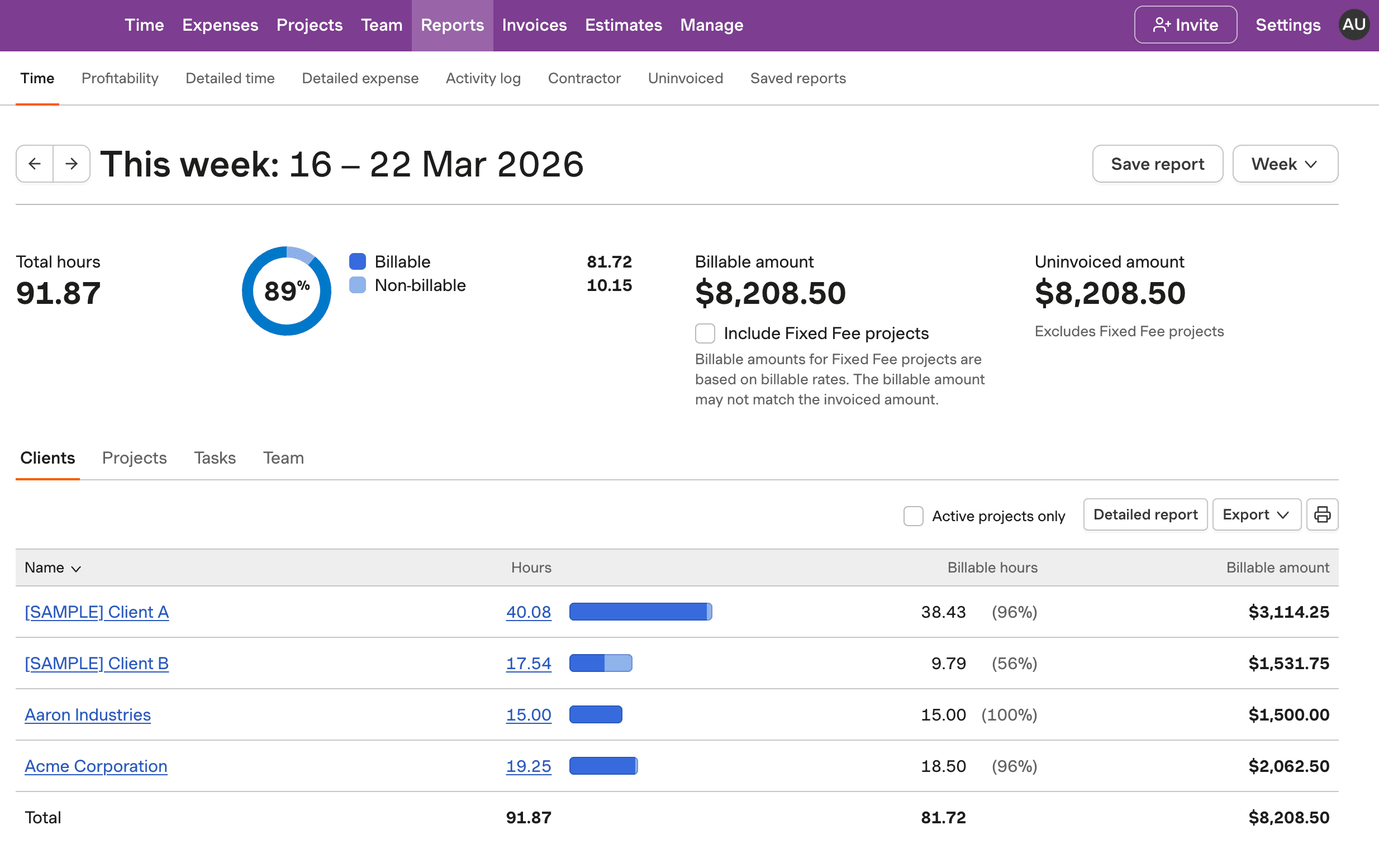
See how Harvest integrates with project management tools to track construction project costs efficiently.

Harvest project cost estimation preview for construction projects

Project Cost Estimator FAQs

  • A good project cost estimator should include features like detailed quantity takeoffs, integration with cost libraries, risk and contingency planning, and labor productivity calculations. These tools help in managing both direct and indirect costs effectively.

  • To use a project cost estimator effectively, start with clear project documentation and perform thorough quantity takeoffs. Use up-to-date cost data and validate your estimates through rigorous review processes and stakeholder collaboration.

  • Construction project costs are influenced by labor, material prices, site conditions, project complexity, and regulatory requirements. Market dynamics like inflation and supply chain issues also play a significant role.

  • Yes, there are free online calculators and basic versions of software available for initial estimates. While useful for a quick overview, they often have limitations in terms of features, users, or project scope.

  • Online project cost estimators can provide a "ballpark" figure, but individual categories may lack precision. Advanced methods like AI-powered tools offer improved accuracy by using real-time data and predictive analytics.

  • Direct costs include materials, labor, and equipment directly tied to project completion. Indirect costs cover expenses like overhead, permits, insurance, and project management that support the construction process.

  • Harvest integrates with various project management tools like Asana and Trello, allowing you to track costs throughout the construction lifecycle, keeping your projects on budget and on schedule.