
Harvest
Time Tracking
Sign up free

Time Tracking Requirements for Remote Workers

Harvest helps you navigate the complex time tracking requirements for remote workers, ensuring compliance with FLSA regulations and state laws.

Try Harvest Free

How much revenue is your team leaving on the table?

Most agencies run at 55-60% utilization. Even a small improvement means significant revenue. See what closing the gap looks like for your team.

Number of people who track billable time
$
Blended rate across roles (junior, senior, lead)
55%
Percentage of total hours that are billable. Industry average is 55-60%.
75%
A realistic target for service businesses is 70-80%.
Monthly revenue gap $0
Revenue at current utilization $0/mo
Revenue at target utilization $0/mo
Extra billable hours needed per person/day 0h
Annual revenue opportunity $0

Start tracking team utilization

Walk through the entire flow below. Start a timer, check your reports, and create a real invoice — all in three clicks.

Go ahead — start tracking!

One click and you're timing. Try it right here: start a timer, add an entry, edit the details. This is exactly how it feels in Harvest.

  • One-click timer from browser, desktop & mobile
  • Works inside Jira, Asana, Trello, GitHub & 50+ tools
  • Duration or start/end — your call
  • Day, week & calendar views to stay on top of it all
  • Friendly reminders so no hour gets left behind
Acme Corp
Website Redesign
Homepage layout revisions
1:24:09
Content Strategy
Blog calendar planning
1:30:00
SEO Audit
Technical audit report
0:45:00
Brand Guidelines
Color system documentation
2:15:00
Logo Concepts
Initial sketches round 1
1:00:00

The Legal Landscape of Remote Work Time Tracking

Understanding time tracking requirements for remote workers begins with the Fair Labor Standards Act (FLSA), which mandates that employers pay non-exempt employees for all hours worked, irrespective of location. This includes remote work, where employers must exercise "reasonable diligence" to track all hours worked, even unscheduled ones, by providing a reliable reporting system. The FLSA defines "hours worked" to include both productive and certain nonproductive times, like rest breaks and waiting times.

Employers must also differentiate between compensable and non-compensable breaks. Short breaks of less than 20 minutes are paid, as they benefit the employer by reducing fatigue. However, meal breaks of 30 minutes or more are unpaid unless the employee works during this time. Violations of these regulations can lead to penalties, including civil fines up to $1,000 per violation and potential criminal prosecution.
Navigating Employee Consent and Privacy

Employers must navigate complex laws regarding electronic monitoring and employee privacy, which vary by state. While federal law generally allows monitoring on company-owned devices for legitimate business purposes, states like Connecticut, Delaware, New York, and Texas require explicit notice and consent for electronic monitoring. For GPS tracking, states like California and Louisiana have specific consent requirements, especially when personal devices are involved.

Balancing compliance with privacy is crucial. Employers should communicate the purpose of monitoring and time tracking transparently to build trust. It's essential to align practices with state laws to avoid fines, such as those in New York where violations can cost up to $3,000 for repeated offenses.

Best Practices for Effective Remote Time Tracking

Implementing effective time tracking for remote workers involves establishing clear, written policies that outline what needs to be tracked and how. Employers should choose reliable time tracking systems, such as Harvest, which offers one-click timers and detailed reporting to ensure accuracy and compliance. Training managers and employees on these tools is vital to prevent "off-the-clock" work and ensure all work is reported and compensated.

Focusing on outcomes rather than intrusive monitoring fosters a positive work environment. Employers should evaluate productivity based on deliverables and project completion while maintaining compliance with wage and hour laws.

Managing Compensable Hours and Breaks

Managing time for remote employees requires careful attention to compensable hours and breaks. Employers must ensure short breaks are counted as hours worked and meal periods are unpaid only if no work is performed. Tools like Harvest help track these nuances effectively, supporting compliance with the FLSA requirements.

Businesses should also consider the challenges posed by time zones and flexible schedules. Implementing systems that allow for accurate reporting of all hours worked, regardless of location or time zone, is essential to maintain compliance and ensure fair compensation for all employees.

Consequences of Non-Compliance and Mitigation Strategies

Failing to comply with time tracking regulations can have serious financial and legal repercussions. Employers face risks of back wages, liquidated damages, and civil fines for non-compliance. The statute of limitations for recovery of back pay is typically two years, extended to three years for willful violations.

To mitigate these risks, regular audits of time records and payroll systems are crucial. Utilizing a comprehensive tool like Harvest can help identify and correct compliance gaps proactively, ensuring all hours worked are accurately recorded and compensated.

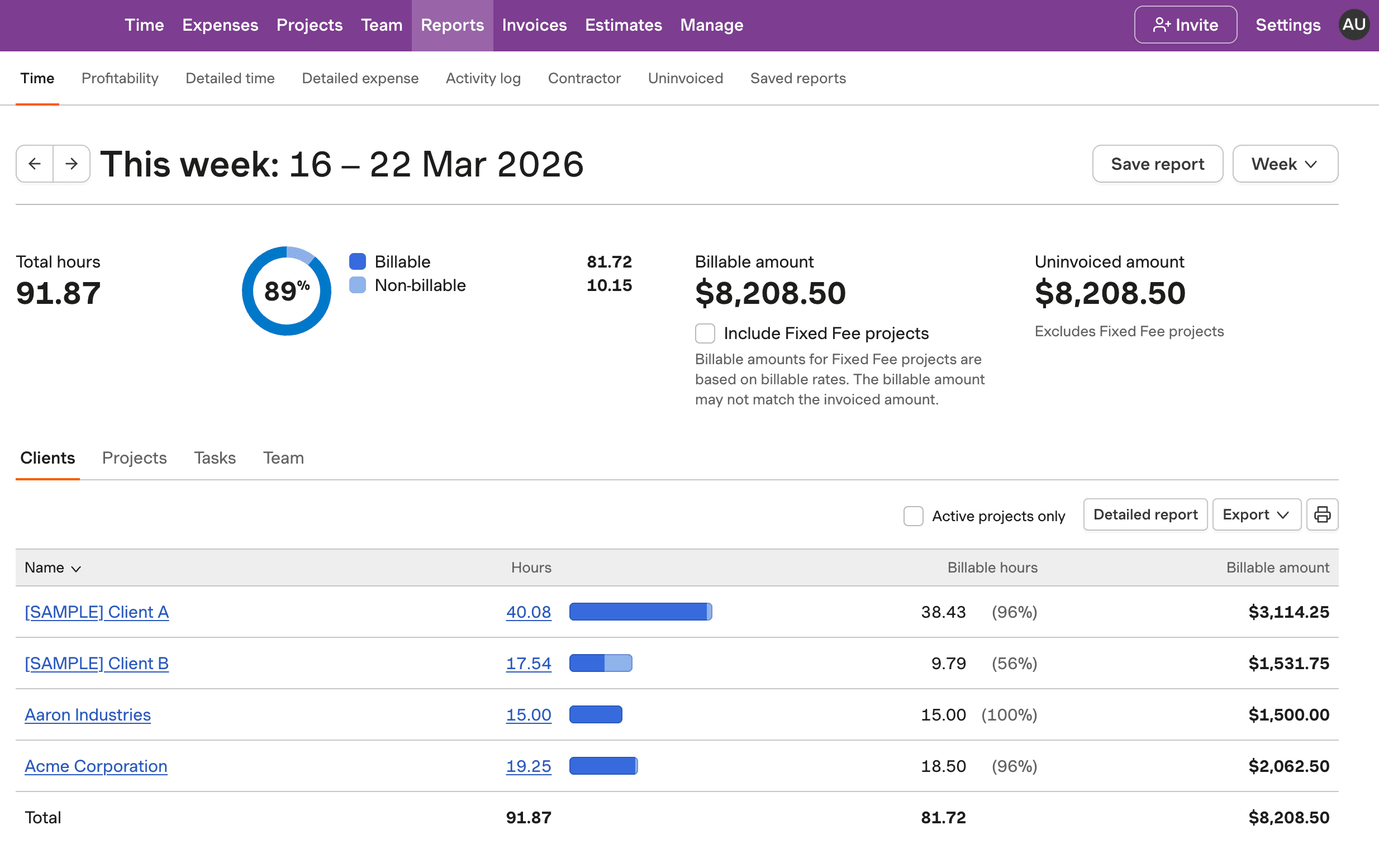
Harvest Time Tracking for Remote Workers

See how Harvest helps track remote work hours accurately, ensuring compliance with FLSA and state laws.

Harvest time tracking interface for remote workers

Time Tracking Requirements for Remote Workers FAQs

  • Under the FLSA, employers must track all hours worked by non-exempt remote employees, including unscheduled work and short breaks. Accurate records are essential to ensure compliance and avoid penalties.

  • Yes, some states require explicit consent for electronic monitoring and GPS tracking. States like New York and Texas have specific laws mandating notice and consent for time tracking software.

  • Establish clear policies outlining what needs to be tracked, use reliable systems like Harvest, and train managers and employees on compliance. Focus on productivity outcomes rather than intrusive monitoring.

  • Short breaks under 20 minutes are compensable, while meal breaks over 30 minutes are not unless work is performed. Use tools like Harvest to track these effectively and ensure compliance.

  • Non-compliance can lead to back wages, civil fines, and even criminal prosecution. Regular audits and reliable tracking systems like Harvest help mitigate these risks.

  • Harvest offers detailed reports and team management features, helping employers track hours accurately and comply with FLSA and state-specific regulations for remote workers.

  • Yes, Harvest can track all hours worked, including breaks and waiting times, to ensure compliance with compensable time rules under the FLSA.