Sign up free
The Evolution of Time Tracking: From Manual Logs to Smart Automation
The evolution of time tracking has seen a remarkable shift from manual logs to smart automation, revolutionizing how businesses manage time and resources. Historically, time tracking relied on manual methods, such as paper timesheets and punch cards, which were prone to errors, costing companies approximately $1,600 per employee annually due to inaccuracies. Today, smart time tracking apps leverage AI and machine learning to provide real-time recording and idle time detection, significantly reducing human error. This advancement not only enhances accuracy but also offers comprehensive productivity insights, transforming simple hour logging into a strategic resource management tool.
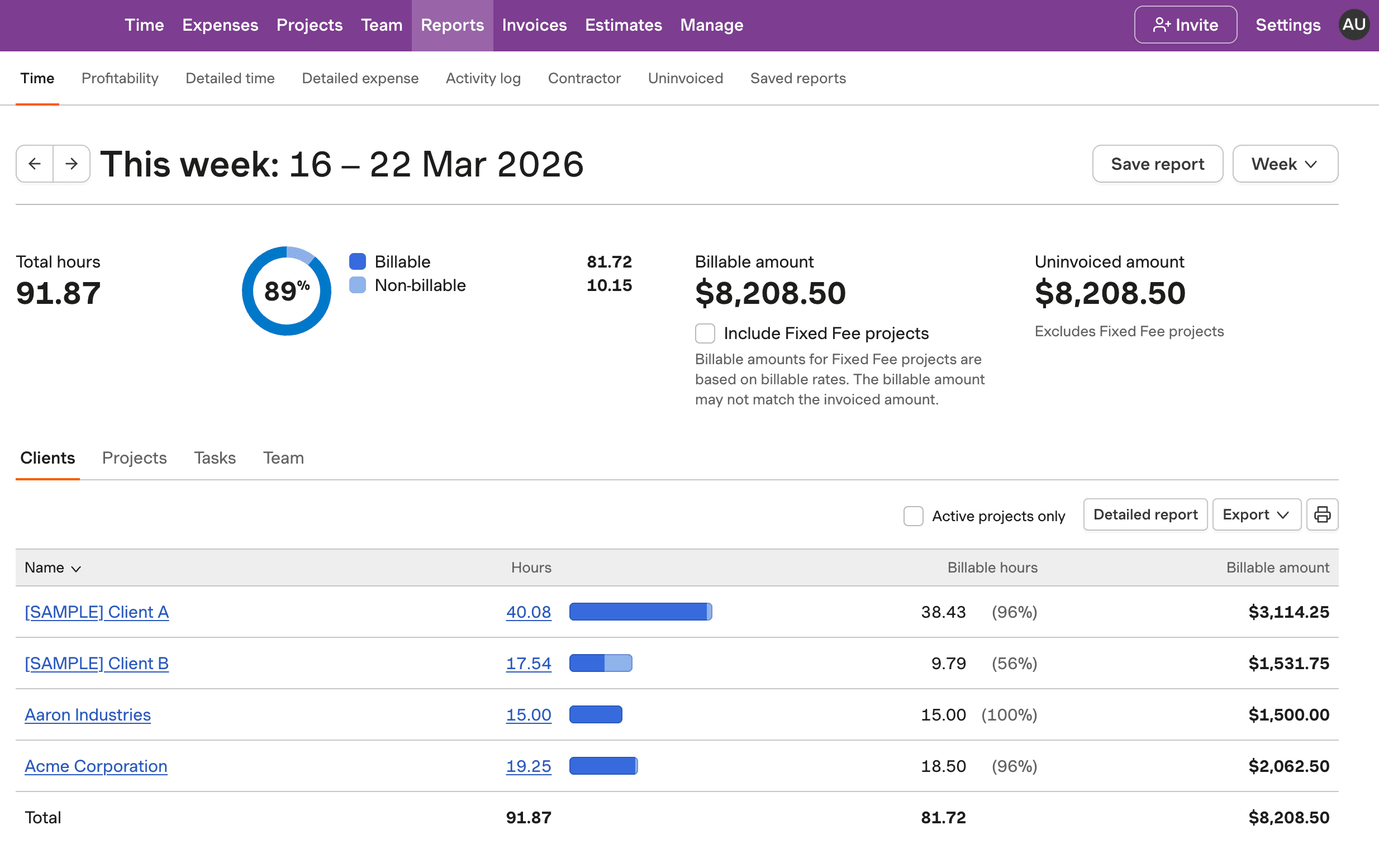
Smart time tracking apps, like Harvest, utilize automatic start/stop timers and background tracking to streamline processes. These apps offer features such as app and website usage monitoring, which promotes transparency and accountability. By automating time tracking, businesses can improve ROI, with 31% of companies seeing positive impacts within six months. Moreover, automation helps recapture lost productivity, potentially saving businesses up to $666,400 annually. The shift from manual to smart tracking also ensures compliance with legal requirements, such as the EU’s mandate for accurate work hour records, highlighting the necessity for reliable and automated solutions.