
Harvest
Time Tracking
Sign up free

Thai Timesheet Template

Harvest offers a comprehensive solution for time tracking and invoicing, adaptable to specific regional needs like Thailand's labor requirements.

Try Harvest Free

How many hours did you work this week?

Enter your clock-in and clock-out times for each day. The calculator handles breaks, overtime, and weekly totals automatically.

Day Clock In Clock Out Break Hours
Total hours this week 0h
Regular hours (≤40) 0h
Overtime hours 0h
Average hours/day 0h
Total break time 0h

Track time automatically with Harvest

Walk through the entire flow below. Start a timer, check your reports, and create a real invoice — all in three clicks.

Go ahead — start tracking!

One click and you're timing. Try it right here: start a timer, add an entry, edit the details. This is exactly how it feels in Harvest.

  • One-click timer from browser, desktop & mobile
  • Works inside Jira, Asana, Trello, GitHub & 50+ tools
  • Duration or start/end — your call
  • Day, week & calendar views to stay on top of it all
  • Friendly reminders so no hour gets left behind
Acme Corp
Website Redesign
Homepage layout revisions
1:24:09
Content Strategy
Blog calendar planning
1:30:00
SEO Audit
Technical audit report
0:45:00
Brand Guidelines
Color system documentation
2:15:00
Logo Concepts
Initial sketches round 1
1:00:00

Understanding Thai Labor Law: Working Hours and Overtime

In Thailand, understanding labor laws regarding working hours and overtime is crucial for both employers and employees. The standard maximum working hours are 8 per day and 48 per week for non-hazardous jobs. For hazardous work, these limits are reduced to 7 hours per day and 42 hours per week. Overtime regulations are equally stringent, requiring employee consent except during emergencies, with a legal cap of 36 hours per week.

Overtime pay is structured to ensure fair compensation: 1.5 times the regular wage for overtime on regular days, 2 times for holidays, and 3 times for overtime on holidays. Employers must also adhere to the rule that employees working over 5 consecutive hours receive at least a 60-minute meal break. These rest periods, when exceeding two hours total, become compensable work time. Compliance with these regulations ensures fairness and helps avoid legal complications.
Essential Features of a Thai Timesheet Template

A well-designed Thai timesheet template must include essential features to comply with local labor laws and enhance usability. Key data fields should capture employee details, dates, start and end times, break durations, and project or task allocations. A comprehensive template should also calculate regular hours, overtime, and total hours to streamline payroll processing.

In Thailand, it's vital to incorporate leave types such as sick leave, vacation, and public holidays into the timesheet. Including spaces for employee and supervisor signatures formalizes the documentation process. For clarity and compliance, the template should be in Thai or bilingual to accommodate the local workforce. These features ensure the timesheet is not only functional but also legally compliant.

Customizing and Implementing Your Thai Timesheet

Customizing a Thai timesheet template involves selecting the right format—Excel, Google Sheets, or PDF—that suits your company's needs. Begin by translating key fields into Thai to ensure clarity and adherence to legal requirements. Templates should include columns for 'Start Time,' 'End Time,' 'Break Time,' and 'Overtime Hours.'

Automate calculations using spreadsheet functions to minimize errors and facilitate smooth payroll integration. Establish a clear submission and approval workflow to expedite managerial reviews. By tailoring the template to align with your business processes and legal obligations, you can ensure efficient and compliant time tracking.

Legal Compliance and Best Practices for Timesheet Management in Thailand

Maintaining legal compliance in timesheet management is essential in Thailand. Employers must retain timesheet records for at least two years, ensuring they are accessible for labor inspections. For companies with 10 or more employees, displaying workplace rules and schedules in Thai is mandatory, reinforcing the importance of clear documentation.

Accurate tracking is critical, especially for hazardous occupations with stricter working hour limits. Employers should adapt their time tracking to accommodate remote work, ensuring that all labor laws are observed even outside traditional office settings. Integrating timesheets with payroll systems further ensures seamless processing and legal compliance, providing a comprehensive approach to managing employee work hours.

Thai Timesheet Template with Harvest

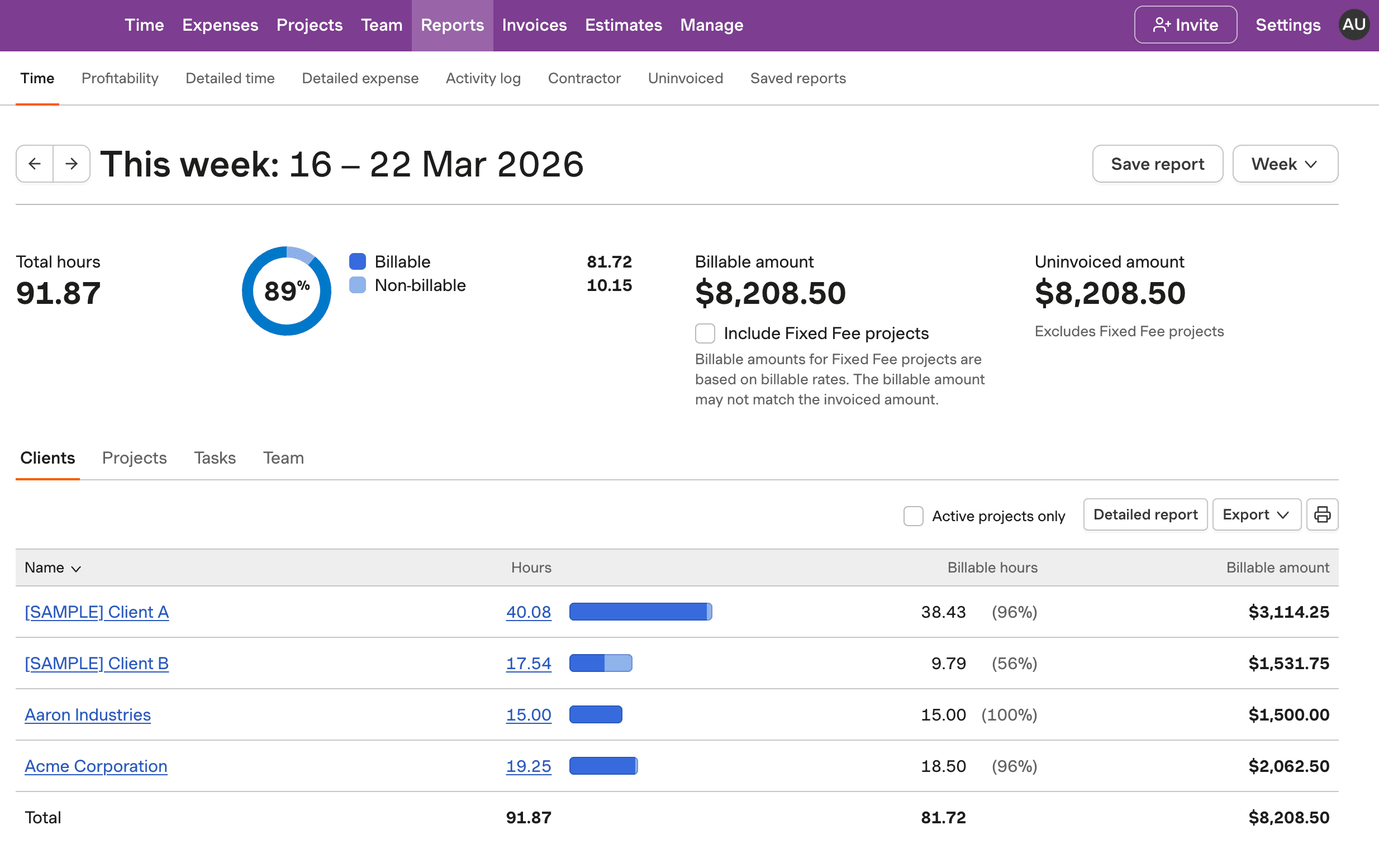
See how Harvest helps you track work hours with a Thai timesheet template, ensuring compliance with local labor regulations.

Thai timesheet template tracking work hours in Harvest

Thai Timesheet Template FAQs

  • The standard maximum working hours in Thailand are 8 hours per day and 48 hours per week for non-hazardous jobs. For hazardous work, the limits are stricter at 7 hours per day and 42 hours per week.

  • Overtime pay in Thailand is calculated at 1.5 times the hourly wage for regular days, 2 times for holidays, and 3 times for overtime on holidays. These rates ensure fair compensation for extra work hours.

  • A Thai timesheet template should include start and end times, breaks, regular and overtime hours, and leave types. It should also be bilingual for clarity and compliance.

  • Customize your timesheet template by translating fields into Thai, automating calculations, and ensuring space for signatures. This aligns with local laws and streamlines processes.

  • Employers must retain timesheet records for at least two years. Companies with 10+ employees must display workplace rules in Thai, ensuring clear documentation and compliance.

  • Yes, timesheets can be integrated with payroll systems, facilitating accurate wage calculations and compliance with Thai labor laws. Automation helps minimize errors and streamline processes.

  • Employees working more than 5 consecutive hours must receive a 60-minute meal break. If total rest periods exceed two hours, the extra time is considered work time, ensuring fair compensation.